Have you ever felt a deep longing for a past you’ve never actually lived?
A bittersweet ache when looking at old photographs, watching classic films, or listening to music from decades before your time? That strange, melancholic feeling has a name — and it might just change how you understand your own emotions.
Defining Anemoia
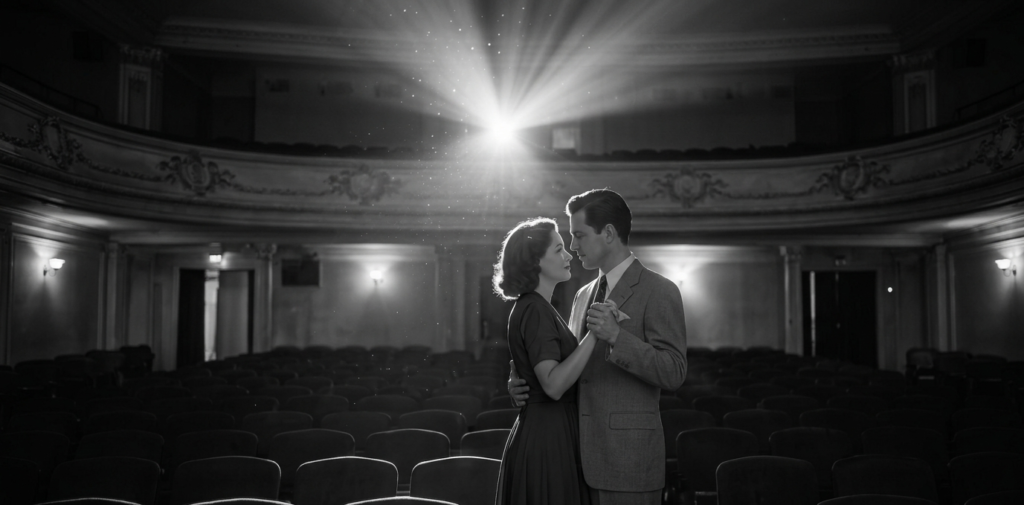
Anemoia (pronounced an-uh-MOY-uh) is a profound sense of nostalgia for a time or place you have never actually experienced. Coined by John Koenig in 2009 as part of his “The Dictionary of Obscure Sorrows,” this word fills a gap in our emotional vocabulary that we’ve long felt but never been able to name. Unlike ordinary nostalgia — which pulls at heartstrings for memories we actually hold — anemoia reaches further back. It’s the feeling of missing a childhood your parents reminisce about, of longing for the jazz age you never danced through, of mourning a 1950s you were never born into.
The Experience of Anemoia.
You’ll know anemoia when:
- Old photographs make you feel wistful even though you weren’t there
- Films set in past decades give you a strange, warm ache
- Songs from before your time feel like forgotten memories
- The idea of “simpler times” haunts you despite never living them
- Vintage aesthetics pull at something deep inside you
Why Do We Feel This Way?
Psychologists suggest anemoia connects to our deep human need for narrative continuity. We crave belonging to a story larger than our own brief existence. When we encounter the remnants of past eras — their music, their aesthetics, their vibes — we feel drawn into that story. There’s also the mystery of the unknown. The past we’ll never know becomes an idealised blank canvas onto which we project our longings. We imagine it was warmer, simpler, more authentic — even if historically it wasn’t.
Anemoia in Modern Culture
Today, anemoia has found its home in online communities, particularly on Tumblr, TikTok, and Pinterest. The “aesthetic” movements — cottagecore, vapourwave, lo-fi beats — all tap into this collective longing for times untouchable.
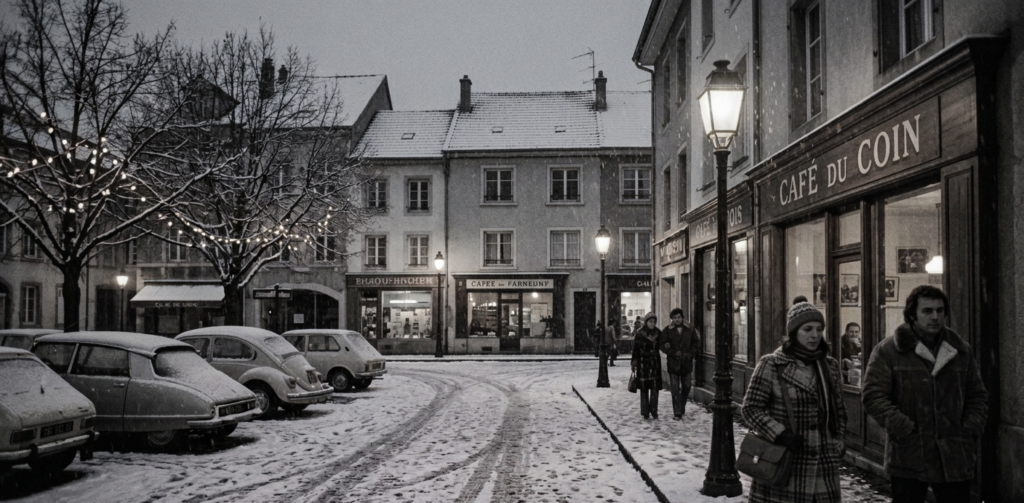
It explains the popularity of films that capture a “feeling” rather than just a story. It underlies the success of ambient YouTube videos showing rainy days in Tokyo or snowy evenings in 1970s Europe. It’s why we scroll through vintage photography for hours, feeling something we can’t quite name.
Embracing Anemoia
If you experience anemoia, know you’re not alone — and you’re not strange. This emotional response to the unreachable past is deeply human. It shows your capacity for empathy, for connection beyond your own timeline. Rather than fighting this feeling, many find peace in embracing it. Creating moodboards, curating playlists, writing about it — these become ways to honour the ache rather than suppress it. —
Have you experienced anemoia? Share your story in the comments below.
Leave a Reply