Some films don’t just tell stories — they create moods, capture atmospheres, evoke feelings we struggle to name. For those experiencing anemoia, certain movies become temporal doorways, offering glimpses into eras we’ve never known but somehow recognize. Let’s explore why film, like no other medium, can transport us across time.
The Unique Power of Moving Images
Film combines visual and auditory storytelling in a way that creates profound emotional resonance. When we watch a film from another era, we’re not just observing — we’re inhabiting. The grain of old film stock, the particular colour chemistry of different decades, the aspect ratios and cinematographic conventions — all these elements work together to create that unmistakable sense of temporal distance. We watch and we believe, for a moment, that we’re there.
Visual Language of Different Eras
Each filmmaking era developed its own visual vocabulary:
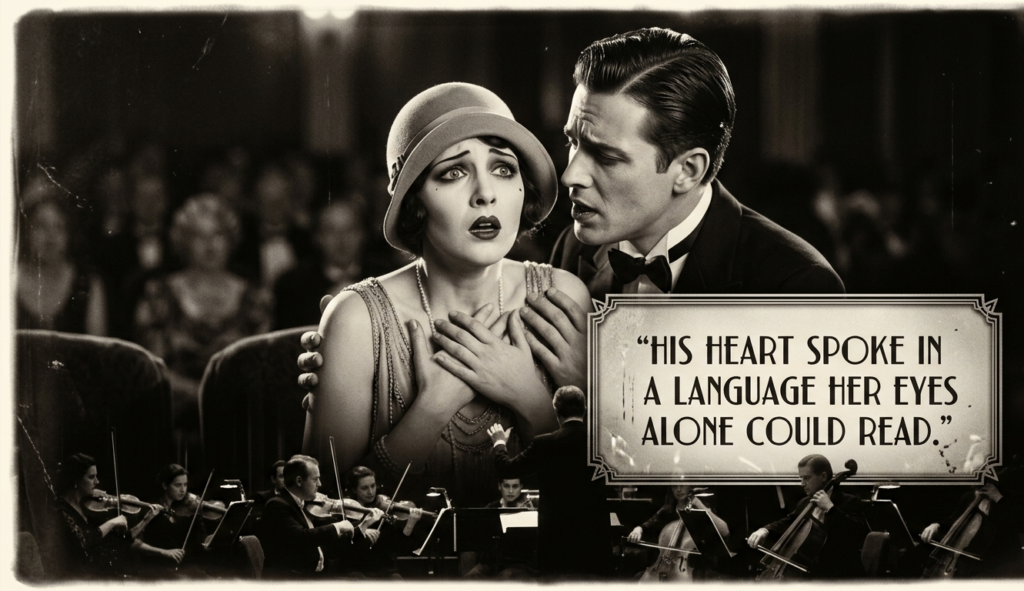
Silent film (1920s-1930s) — Expressive acting, intertitles, orchestral scores. The elegance of silent cinema carries a distinctive romanticism.
Classical Hollywood (1940s-1950s) — Technicolor richness, studio sets, that particular warm lighting. Think of films like Casablanca and the visual language immediately becomes clear.
French New Wave (1950s-1960s) — Natural light, location shooting, jump cuts. A revolutionary style that now carries its own nostalgia.
American New Wave (1970s) — Gritty realism, urban landscapes, a particular grain and colour palette. The aesthetic of transition.
Films That Define Anemoia
Certain movies have become touchstones for those seeking temporal transport:
The Last Picture Show — 1950s small-town America, the end of an era
Midnight in Paris — An exploration of longing for past artistic periods
La La Land — Contemporary love letter to classic Hollywood musicals
Once Upon a Time in America — The romance and tragedy of early 20th century America
Far from Heaven — 1950s suburban America, technically modern but aesthetically period-perfect
The Artist — Silent film revived, a love letter to cinema’s early days
Documentaries and Anemoia
Documentaries can be equally powerful in evoking anemoia:
The Last Waltz — 1970s rock and roll, the end of an era
The Great American Dreamer — Exploration of nostalgia and American mythology
Midnight in the Garden of Good and Evil — A particular South that feels both real and constructed
Modern Films with Anemoia Hearts
Contemporary filmmakers often deliberately aim for nostalgic affect: Paul Thomas Anderson’s films — Particularly There Will Be Blood and Phantom Thread, with their period settings and deliberate pacing
Greta Gerwig’s Little Women — 19th century recreated with modern emotional intelligence
Kogonada’s Columbus — Contemporary architecture film that feels like discovering a forgotten 1970s gem
Drive My Car — Japanese film that captures particular melancholic aesthetics
The Role of Film Grain
There’s something almost physical about film grain that triggers anemoia. The organic texture of celluloid, the slight imperfections, the way light seems to exist rather than just illuminate — these technical qualities create a sensation that digital simply cannot replicate.
Many modern films simulate this deliberately. The warm photography of certain contemporary movies tries to capture what analog cameras just knew.
Building Your Anemoia Film Library
Curating films that evoke anemoia is deeply personal, but consider: Watch authentically old films — Don’t just watch films about the past; watch films FROM the past
Explore different eras’ conventions — Each decade has distinct visual language
Notice what triggers YOUR anemoia — Keep track of which films make you feel that particular ache
Explore international cinema — Different countries’ golden ages offer different nostalgic portals Creating Anemoia at Home
You don’t need a cinema to experience anemoia through film:
Create the right atmosphere — Dim lights, minimize distractions
Watch on the largest screen available — Immersion matters
Consider the ritual — Pre-film preparation, intermission, the experience of duration
Invite others or watch alone — Both have their place in the anemoia experience
Cinema allows us to live multiple lives — even lives we could never have actually lived.
What films transport you to times you’ve never known? Share your recommendations in the comments below.
Leave a Reply