

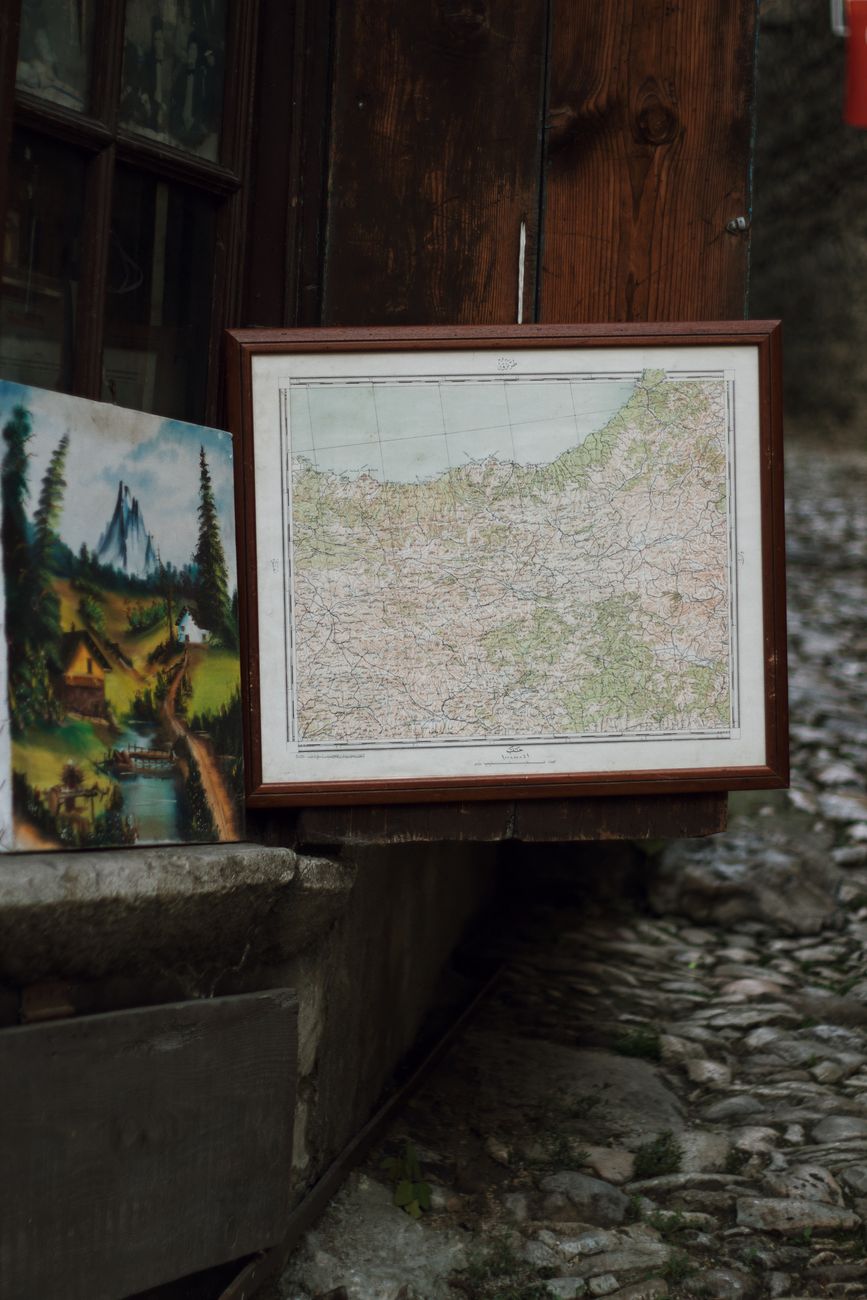
The modern world often moves at a relentless pace, characterized by glass skyscrapers, digital ubiquity, and standardized urban planning. Yet, scattered across the globe are pockets of geography where the clock seems to have stopped decades or even centuries ago. These vintage towns offer more than just a destination; they provide a rare window into architectural preservation, traditional craftsmanship, and lifestyles that have resisted the homogenizing forces of globalization. Exploring these locations requires an appreciation for history, a respect for local conservation efforts, and a willingness to step away from the well-trodden tourist circuit.
Table of Contents
- The Anatomy of a Preserved Town
- European Enclaves of Antiquity
- Trans-Atlantic Perspectives: Colonial and Frontier Preservation
- The Role of Conservation and Sustainability
- Asian and Middle Eastern Timeless Architecture
- Challenges to Maintaining the Past
- Strategic Tips for Visiting Heritage Sites
- Frequently Asked Questions
- Reflections on Historical Continuity
The Anatomy of a Preserved Town
What makes a town feel “frozen in time”? It is rarely the result of abandonment. Instead, it is the product of intentional heritage management. Successful preservation typically involves a combination of strict zoning laws, community pride, and a lack of industrial encroachment. When a town retains its original layout, utilizes traditional building materials like stone, timber, or thatch, and maintains the integrity of its public squares, it creates a cohesive sensory experience. These environments serve as living museums, demonstrating how human settlements adapted to their specific environments before the advent of modern mass production.
European Enclaves of Antiquity
Europe remains a primary focal point for heritage preservation due to a long history of communal structural planning. In regions like the Alsace in France or the Cotswolds in England, the preservation of timber-framed houses is not merely aesthetic but a reflection of regional identity.
- Quedlinburg, Germany: Known for its dense collection of half-timbered houses, this town showcases over 1,300 structures spanning several centuries. The preservation efforts here are rigorous, focusing on the structural integrity of wood-frame architecture that dates back to the Middle Ages.
- Albarracín, Spain: Perched on a cliffside, this town retains its medieval defensive walls and narrow, winding streets. The preservation of its unique reddish-hued plaster buildings provides a masterclass in how topography influences architecture.
- Bibury, England: Often cited for its iconic Arlington Row, this location illustrates the survival of 17th-century weavers’ cottages. The consistency of the limestone construction creates a visual continuity that is increasingly rare in the 21st century.
Trans-Atlantic Perspectives: Colonial and Frontier Preservation
In the Americas, the concept of a vintage town often centers on colonial history or the expansionist era of the 19th century. These towns often feature distinct architectural styles such as Spanish Colonial, Victorian, or Federal.
In places like St. Augustine, Florida, the focus is on the survival of Spanish masonry and grid layouts that date back to the 16th century. Conversely, in the American West, towns like Virginia City, Nevada, offer a different kind of preservation. Here, the focus is on the “boomtown” aesthetic—wooden boardwalks, false-front facades, and brick commercial buildings that reflect the rapid growth and sudden economic shifts of the mining era. These sites are valuable because they document the fragility of frontier life and the specific economic drivers that necessitated the rapid construction of these urban centers.
Comparative Analysis of Preservation Styles
| Feature | European Medieval Towns | American Frontier Towns |
|---|---|---|
| Primary Material | Stone, Timber, Thatch | Wood, Brick, Cast Iron |
| Street Layout | Organic, Winding, Narrow | Grid-based, Wide, Broad |
| Central Focus | Church or Market Square | Main Street or Saloon/Bank |
| Preservation Goal | Architectural Integrity | Historical Narrative Retention |
The Role of Conservation and Sustainability
The long-term survival of a vintage town depends on a delicate balance between tourism and livability. If a town becomes solely a tourist attraction, it loses its authentic character. True preservation occurs when the local population continues to inhabit and maintain the structures. This is often supported by national heritage organizations that provide grants for the restoration of original roofs, windows, and facades.
Sustainable tourism in these areas focuses on low-impact engagement. Rather than large-scale infrastructure projects, these towns benefit from small-scale, locally-owned hospitality. This approach ensures that economic revenue stays within the community, funding the ongoing costs of repairing aging infrastructure while preventing the arrival of global retail chains that might disrupt the visual and cultural harmony of the town.
Asian and Middle Eastern Timeless Architecture
The preservation movement is not limited to Western contexts. Throughout Asia and the Middle East, there are numerous examples of towns that have retained their traditional urban fabric despite rapid regional development.
- Shirakawa-go, Japan: This village is famous for its gassho-zukuri farmhouses, designed with steeply pitched thatched roofs to withstand heavy snowfall. The preservation of these structures is a collective effort, with the entire village participating in the maintenance of the thatch.
- Yazd, Iran: Known for its windcatchers and desert architecture, this city is one of the oldest continuously inhabited places on earth. The use of adobe and the complex system of qanats (underground water channels) showcase a sophisticated understanding of desert sustainability that remains relevant today.
Challenges to Maintaining the Past
Maintaining a vintage town is an uphill battle against modern building codes, fire safety regulations, and the high cost of specialized labor. Authentic restoration requires craftsmen skilled in traditional masonry, carpentry, and blacksmithing—professions that are becoming increasingly rare. Furthermore, the encroachment of modern technology, such as overhead power lines or modern signage, can break the illusion of being in a different era.
Successful towns mitigate these issues by burying utilities underground and implementing strict design guidelines for storefronts. This attention to detail is what separates a town that is merely “old” from one that truly feels frozen in time. The objective is to create an environment where the transition between the present and the past is seamless, allowing for an immersive historical experience.
Strategic Tips for Visiting Heritage Sites
For those interested in exploring these locations, the approach should be one of observation rather than consumption.
- Prioritize the Off-Season: Visiting during shoulder months allows for a clearer view of the town’s layout without the interference of crowds.
- Engage with Local Museums: Small, local museums often house the best documentation regarding the town’s history and the specific challenges of its preservation.
- Walk the Perimeter: Many vintage towns were built with defensive or economic boundaries. Walking the outskirts often provides the best perspective on how the town relates to its surrounding landscape.
- Support Local Artisans: Purchasing goods from local makers helps sustain the traditional crafts that are essential to the town’s cultural identity.
Frequently Asked Questions
What defines a town as being “frozen in time”?
A town is generally considered to be frozen in time when its architectural silhouette, street patterns, and building materials remain largely unchanged from a specific historical period, and it lacks significant modern industrial or commercial development.
Are these towns still inhabited?
Yes, most of these locations are active, living communities. The residents are essential to the preservation process, as they maintain the daily routines and upkeep required to keep these historical structures functional.
How can these towns survive in a modern economy?
Many of these towns rely on sustainable tourism, cultural heritage status, and local government support. By attracting visitors who value history and architecture, these towns generate revenue that is reinvested into the maintenance of the buildings.
Do these towns have modern amenities?
While they often feature modern utilities, these are typically integrated in a way that minimizes their visual impact. Electricity, plumbing, and internet access are present, but they are designed to be unobtrusive.
Is it possible to visit these towns without damaging them?
Yes, by practicing low-impact tourism. This includes staying in local guesthouses, avoiding large tour groups, and adhering to all local rules regarding property and historical sites.
Reflections on Historical Continuity
The appeal of towns that feel frozen in time lies in the human desire for continuity. In an era of rapid change, these places offer a sense of stability and a connection to the ingenuity of ancestors. They demonstrate that development does not always have to mean the erasure of what came before. When managed with care, these vintage towns serve as vital repositories of human knowledge, architectural beauty, and cultural history. They invite the modern traveler to slow down and consider the value of the past, not as a static object to be worshipped, but as a living foundation upon which the present is built. As global patterns of development continue to shift, the importance of these preserved enclaves will only grow, serving as essential reminders of the diverse ways humans have organized their lives throughout history.
Frequently Asked Questions (FAQ)
Q: What is the difference between vintage and retro design?
A: “Vintage” generally refers to authentic items that are at least 20 to 100 years old, representing the era they were made. “Retro” refers to modern designs that imitate styles of the past.
Q: Why is mid-century modern design still popular today?
A: Mid-century modern design remains highly popular due to its emphasis on clean lines, organic curves, structural functionality, and timeless integration of indoor and outdoor living spaces.
Q: How can I integrate vintage collectibles into a modern home?
A: You can integrate vintage items by using them as accent statement pieces, blending them with neutral modern palettes, or repurposing old items (like retro radios) as functional decor.

