

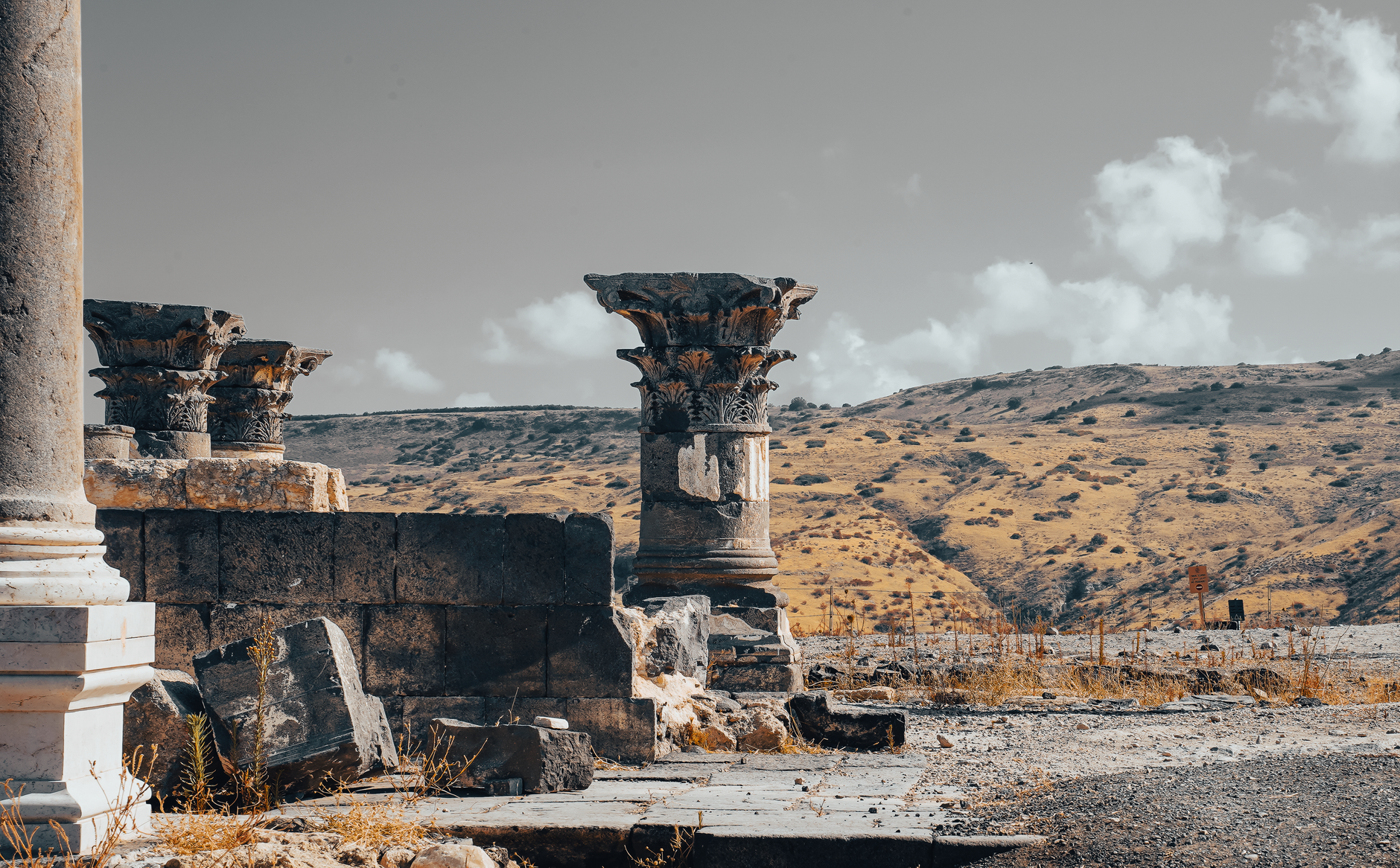
History is often defined by the monuments that remain standing, yet the most compelling narratives frequently reside in the places that time chose to leave behind. Abandoned historical sites offer a unique perspective on human ambition, economic shifts, and the inevitable reclamation of nature. These locations serve as physical manifestations of eras that have passed, providing scholars and curious observers alike with tangible evidence of how societies once functioned, thrived, and eventually faded.
Table of Contents
- The Architecture of Abandonment: Why We Study Forgotten Sites
- Kolmanskop: The Desert’s Reclaimed Diamond Town
- Hashima Island: The Concrete Battleship
- Comparison of Abandoned Historical Sites
- Pripyat: A Frozen Moment in Time
- The Role of Conservation and Documentation
- Frequently Asked Questions
- Conclusion
The Architecture of Abandonment: Why We Study Forgotten Sites
The study of abandoned places, often referred to as urban exploration or industrial archaeology, focuses on understanding why structures are vacated and what they reveal about the period of their construction. When a location is left to the elements, the lack of human interference allows for a study of material degradation and structural integrity that is impossible in maintained buildings. This field is essential for historians interested in the socio-economic factors that lead to the decline of urban centers and remote outposts alike.
Key Factors Contributing to Abandonment
- Economic Obsolescence: Industries move, resources dry up, or trade routes shift, rendering entire towns or facilities unnecessary.
- Environmental Challenges: Natural disasters, soil contamination, or changing climates force populations to relocate.
- Political Instability: Conflicts and regime changes often leave government buildings, military outposts, and residential complexes deserted.
- Technological Advancement: Structures built for outdated technologies, such as early power plants or rail infrastructure, are frequently bypassed by modern innovation.
Kolmanskop: The Desert’s Reclaimed Diamond Town
Located in the Namib Desert of Namibia, Kolmanskop stands as a premier example of a town built on the promise of wealth that eventually surrendered to the dunes. Established in the early 20th century, the town was a hub for German diamond prospectors. It featured amenities that were remarkably advanced for the region, including a hospital with the first X-ray machine in the Southern Hemisphere, a ballroom, and an ice factory.
The decline began after World War I, when diamond prices plummeted and richer deposits were discovered elsewhere. By the 1950s, the town was completely deserted. Today, the desert wind has filled the interiors of these once-opulent homes with sand, creating a surreal environment where the architecture is slowly being buried. The preservation of the site offers a window into the colonial era’s industrial ambitions and the fragility of settlements built in extreme climates.
Hashima Island: The Concrete Battleship
Off the coast of Nagasaki, Japan, lies Hashima Island, also known as Gunkanjima or “Battleship Island.” This site represents the rapid industrialization of Japan during the Meiji and Taisho periods. Originally a coal mining facility, the island was transformed into a dense, high-rise residential complex to accommodate the thousands of workers and their families.
At its peak, Hashima Island was one of the most densely populated places on Earth. The architecture was designed to withstand harsh sea conditions, with massive concrete sea walls and interconnected apartment blocks. However, when petroleum replaced coal as the primary energy source in the 1970s, the mine was closed, and the entire population was evacuated in a matter of weeks. The island remains a haunting example of a self-contained society that vanished almost overnight, leaving behind personal belongings and infrastructure that illustrate the daily life of 20th-century coal miners.
Comparison of Abandoned Historical Sites
| Feature | Kolmanskop (Namibia) | Hashima Island (Japan) | Pripyat (Ukraine) |
|---|---|---|---|
| Primary Driver | Resource Depletion | Shift in Energy Demand | Nuclear Accident |
| Current State | Sand-filled structures | Decaying concrete | Controlled exclusion zone |
| Historical Era | Early 1900s | Mid-20th Century | Late 20th Century |
| Climate Impact | Arid desert erosion | Coastal salt corrosion | Forest reclamation |
Pripyat: A Frozen Moment in Time
The city of Pripyat, situated near the Chernobyl Nuclear Power Plant, represents a different category of abandonment: the sudden, forced migration caused by a catastrophic event. Built in the 1970s as a model Soviet city to house the plant’s employees, Pripyat was designed with schools, parks, and cultural centers. The 1986 disaster necessitated an immediate evacuation, resulting in a city where the clock effectively stopped.
Unlike towns that slowly withered due to economic decline, Pripyat serves as a time capsule. Because the evacuation was intended to be temporary, residents left behind furniture, clothing, and documents. The subsequent decades of abandonment have allowed nature to reclaim the streets, with trees growing through the center of abandoned buildings. This site provides researchers with a stark look at the consequences of industrial failure and the long-term environmental impacts of radiation on urban infrastructure.
The Role of Conservation and Documentation
While many of these sites are left to decay, there is a growing movement toward documenting them before they disappear completely. Photography, 3D scanning, and historical mapping are used to preserve the legacy of these locations. The challenge for conservationists is determining which sites should be stabilized for tourism and which should be allowed to return to nature as part of their historical narrative.
Methods for Preserving Abandoned History
- Photographic Archiving: High-resolution imagery creates a permanent record of the physical state of the site.
- Structural Stabilization: Essential for preventing total collapse of significant historical landmarks.
- Digital Reconstruction: Using drone data to create virtual environments that allow the public to explore the site safely.
- Community Engagement: Involving local populations in the history of the site to ensure cultural context is not lost.
Frequently Asked Questions
Why do some abandoned places become tourist destinations?
Many abandoned places offer a unique aesthetic and historical value that attracts photographers and historians. When managed safely, these sites provide educational opportunities regarding the rise and fall of industrial and social structures.
Is it legal to visit abandoned historical sites?
Most abandoned historical sites are private property or located within restricted zones. Access typically requires special permits or guided tours. Unauthorized entry is often dangerous due to structural instability and potential environmental hazards.
What happens to the items left behind in these locations?
In many cases, items remain in situ, which is vital for the site’s historical integrity. However, theft and souvenir hunting are significant threats to these locations, often leading authorities to restrict access to protect the remaining artifacts.
How does nature affect these sites over time?
Nature acts as a reclaiming force. In humid climates, vegetation can compromise foundations and walls, while in arid climates, wind and sand abrasion act as the primary agents of structural degradation.
Conclusion
The exploration of forgotten historical places reveals much about the transient nature of human endeavor. From the diamond fields of Namibia to the coal mines of Japan and the residential zones of Ukraine, these sites are not merely empty shells; they are archives of human history. They demonstrate the impact of economic shifts, the risks of industrial advancement, and the resilience of the natural world.
Understanding these places requires a balanced approach that respects the history of those who lived there while acknowledging the physical reality of decay. As these locations continue to change, the importance of documenting their stories grows. By studying the patterns of abandonment, society gains valuable insights into how to build more sustainable and resilient communities in the future. The legacy of these forgotten places remains a testament to the fact that while structures may crumble, the stories they hold are an essential part of the broader historical record.
Frequently Asked Questions (FAQ)
Q: Why are historical places often abandoned?
A: Historical locations are typically abandoned due to economic shifts, resource depletion, changes in trade routes, natural disasters, or geopolitical conflicts that render maintaining the site unsustainable.
Q: What is the importance of preserving abandoned historical sites?
A: Preserving these sites provides crucial physical evidence of architectural techniques, cultural practices, and historical socio-economic conditions that help us understand how past societies evolved.
Q: Is it safe to visit abandoned historical ruins?
A: Safety varies. Many historic ruins are managed by heritage organizations and are safe for visitors, while unmanaged sites pose risks like structural decay, hazardous terrain, or legal trespassing restrictions.

1 Comment
Pingback: Echoes of Stone: Historic Landmarks That Preserve the Past Forever – Anemoia