

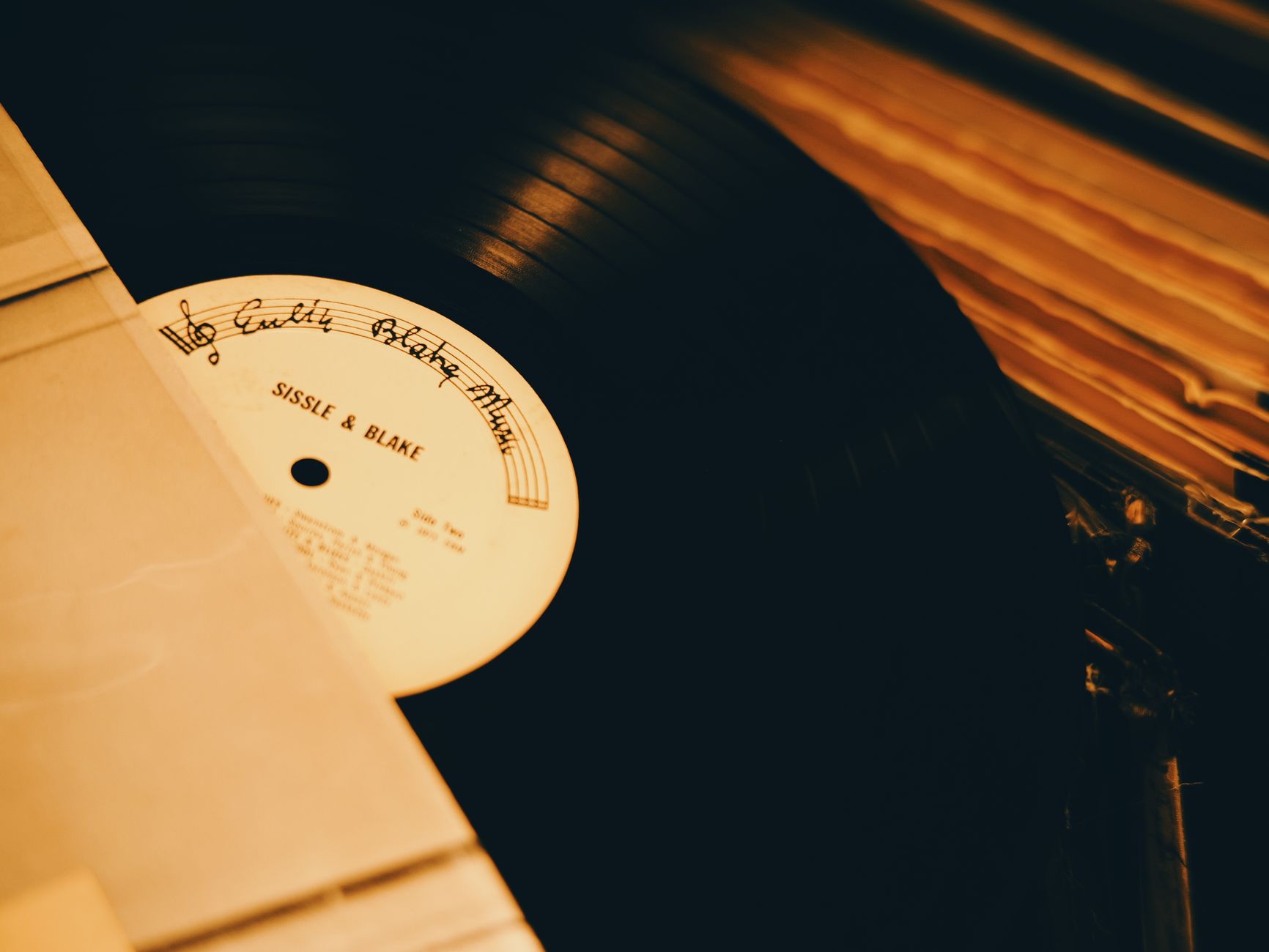
The perception that music from previous decades carries a certain warmth or depth compared to modern releases is a frequent topic of discussion among audiophiles and casual listeners alike. This phenomenon is not merely a matter of nostalgia; it involves a complex intersection of sound engineering, changes in song structure, and the way the human brain processes auditory information. Understanding why older recordings often feel more satisfying requires a look at how the industry has shifted its priorities over the last half-century.
Table of Contents
The Shift in Production and Dynamic Range
One of the primary technical differences between classic recordings and modern hits is the concept of dynamic range—the difference between the quietest and loudest parts of a track. In the era of vinyl and early magnetic tape, engineers had to be mindful of physical limitations. If a recording was too loud or lacked variation, the needle might skip on a record player. This necessity forced a natural, breathing quality into songs, where instruments could rise and fall in intensity, creating a sense of space and dimension.
Modern digital production, conversely, often utilizes aggressive compression to ensure a track sounds “loud” across all devices, from high-end speakers to smartphone tinny drivers. This process, often referred to as the “loudness war,” effectively flattens the audio profile. When every instrument is pushed to the same maximum volume, the human ear loses the ability to distinguish individual textures, often leading to a sensation of “ear fatigue” after prolonged listening.
Changes in Songwriting and Melodic Complexity
Beyond the technical engineering, the actual composition of music has evolved. Research into large-scale musical databases suggests that popular music has become more homogenous over time. Songs written in the 1960s and 1970s often utilized more complex chord progressions and varied melodic structures. Modern pop music frequently relies on tighter, repetitive loops and a more limited harmonic palette.
This shift is partly due to the rise of digital audio workstations (DAWs). When music is composed using software, it is incredibly easy to copy and paste segments, which encourages a repetitive, hook-heavy structure. While this makes modern music highly catchy and efficient for streaming algorithms, it can also lead to a feeling of predictability. Older music, composed on physical instruments where the player had to physically navigate the fretboard or keyboard, often contains “happy accidents”—small, human imperfections and unique transitions that give the recording a distinct personality.
The Psychology of Nostalgia and Familiarity
The human brain is hardwired to find comfort in familiarity. When listeners encounter a song they heard during their formative years, the brain releases dopamine, creating a powerful emotional connection. However, this is not the only factor at play. The “mere exposure effect” suggests that people develop a preference for things simply because they are familiar with them.
Because modern media distribution is so rapid, songs often have a shorter “shelf life.” A listener might hear a current hit hundreds of times in a month, only for it to be replaced by the next trend. In contrast, music from the past has survived a “cultural filter.” Only the songs that resonated deeply with audiences remained in rotation for decades. Therefore, when comparing “old music” to “modern music,” the comparison is often between the very best of the past and the entirety of the present, including the less memorable tracks.
Comparative Overview: Classic vs. Modern Production
| Feature | Classic Era Recordings | Modern Digital Recordings |
|---|---|---|
| Dynamic Range | High; natural peaks and valleys | Low; compressed for maximum volume |
| Instrumentation | Primarily acoustic/analog hardware | Extensive use of MIDI and synthesis |
| Complexity | Varied chord progressions and bridges | Repetitive loops and hook-centric |
| Production Style | Focus on performance and live feel | Focus on perfect timing and pitch |
| Listener Experience | Immersive, spatial, and textured | Immediate, punchy, and consistent |
The Role of Analog Warmth
There is a distinct sonic characteristic associated with analog recording equipment that digital software attempts to emulate but rarely perfectly replicates. Analog tape machines introduce subtle harmonic distortion and “wow and flutter”—tiny fluctuations in pitch that add a layer of depth to the sound. These imperfections act as a form of natural texture that the brain finds pleasing.
Digital audio is mathematically perfect, which, paradoxically, can make it sound “cold” or “sterile” to the human ear. While digital systems have vastly improved in resolution, the clinical precision of modern recording can sometimes strip away the organic character that listeners associate with classic albums. The reliance on quantization—the process of snapping every beat perfectly to a grid—can remove the “swing” or “groove” that was a hallmark of human-performed rhythm sections in the past.
The Evolution of the Listening Environment
The way people consume music has fundamentally changed, which influences how music is produced. In the past, listeners sat in front of a stereo system, focusing on the album as a cohesive work of art. Today, music is frequently consumed as “background” noise while multitasking.
Producers are aware of this, often creating tracks that grab attention within the first five seconds to prevent the listener from skipping. This “front-loading” of the song, where the chorus or the most interesting hook happens immediately, contrasts with older songwriting, which often allowed for a slow build, an instrumental introduction, or a gradual increase in intensity. This change in pacing can make older music feel more rewarding, as it invites the listener to pay attention rather than demanding immediate gratification.
Frequently Asked Questions
Is the quality of modern recording equipment actually worse?
Not necessarily. Modern recording equipment is vastly more powerful and affordable than what was available in the past. The difference lies in the creative choices made during the mixing and mastering process, which prioritize volume and consistency over dynamic range and texture.
Why do some modern artists try to recreate an “old” sound?
Many contemporary artists intentionally use vintage microphones, analog tape machines, and live instrumentation to capture the “warmth” of past eras. This trend reflects a growing desire among listeners for a more organic, human-centered sound that stands out against the backdrop of heavily processed digital music.
Does the loss of dynamic range affect all genres equally?
While it is most noticeable in pop and electronic music, the trend toward compression affects almost all commercial music. Genres that rely on subtlety, such as jazz or classical, are usually recorded with much greater care to preserve the natural dynamics of the instruments.
Is it possible for modern music to have the same depth as older music?
Yes. Many independent artists and smaller labels continue to prioritize songwriting, complex arrangements, and dynamic mixing. These works often mirror the structural qualities of classic music, proving that the technology is not the limiting factor, but rather the current industry trends.
Conclusion
The preference for older music is rooted in a combination of objective technical factors and subjective human experience. The shift toward compressed, highly processed digital audio has fundamentally changed the texture of what the average listener considers “standard” music. By prioritizing volume and immediate catchiness, modern production has moved away from the dynamic, nuanced, and structurally complex compositions that defined previous eras.
Furthermore, the evolution of the listening environment—from focused, active engagement to passive, background consumption—has necessitated a change in how songs are constructed. While modern technology offers unprecedented access and clarity, it often lacks the organic “impurities” and rhythmic variations that provide depth and emotional weight to a recording.
For those who find themselves returning to the sounds of the past, the appeal lies in the ability of those recordings to act as a complete, immersive experience rather than a fleeting digital trend. As listening habits continue to evolve, the appreciation for high-fidelity, thoughtfully arranged music remains a constant. By understanding these nuances, listeners can better appreciate why certain sounds continue to resonate across generations, regardless of the era in which they were created.
Frequently Asked Questions (FAQ)
Q: Why do vinyl records sound different than digital files?
A: Vinyl records provide an analog signal that captures continuous sound waves, creating a warm, rich tone. Digital files are compressed snapshots of sound waves, which can sometimes lose subtle nuances.
Q: What are the mental benefits of listening to lo-fi music?
A: Lo-fi music utilizes low-frequency beats, repetitive structures, and environmental sounds (like rain or vinyl crackle) that help lower anxiety, improve cognitive focus, and induce a state of relaxation.
Q: How should I store and maintain classic vinyl records?
A: Store vinyl records vertically in protective sleeves, keep them away from direct sunlight or extreme temperatures to prevent warping, and clean them gently with a carbon fiber brush.


1 Comment
Pingback: Echoes in the Mind: How Soundscapes and Lo-Fi Beat Playlists Improve Cognitive Focus – Anemoia