

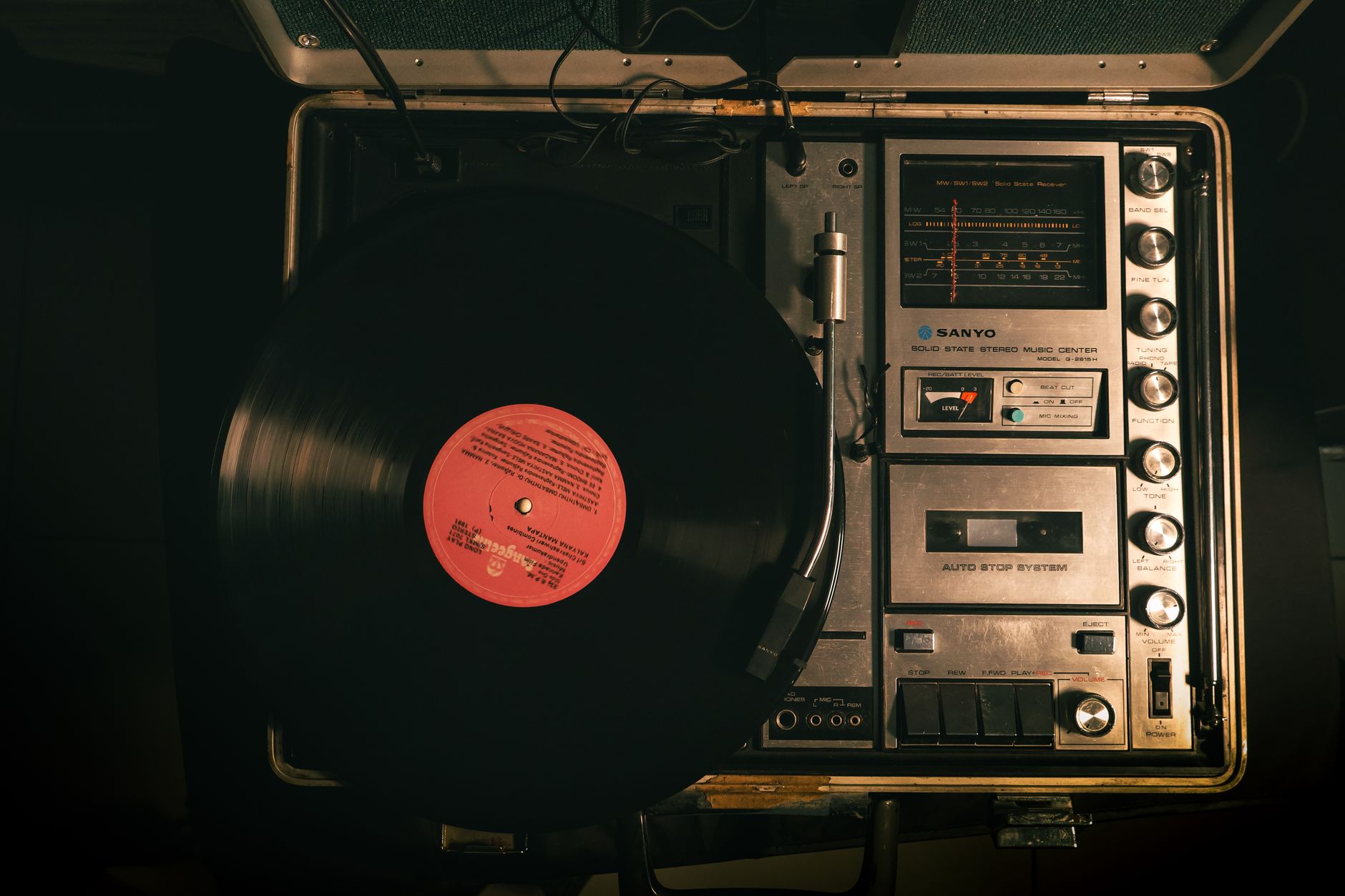
The human brain possesses a remarkable ability to store and retrieve memories through the medium of sound. When an individual hears a song from their formative years, it often functions as a cognitive key, unlocking specific moments, sensory details, and emotional states that might otherwise have remained dormant. This phenomenon is not merely a matter of preference; it is rooted in the complex architecture of the brain and the way auditory stimuli interact with the limbic system.
The Neurological Connection Between Music and Memory
Music occupies a unique position in the brain because it is processed across multiple regions simultaneously. Unlike a static image or a written word, a melody activates the auditory cortex, the motor cortex, and the emotional centers such as the amygdala and the hippocampus. Research into cognitive neuroscience suggests that music acts as a scaffolding for memory. When a person listens to a piece of music repeatedly during a significant period of their life—typically between the ages of 12 and 22—the neural pathways associated with that music become deeply encoded.
This period is often referred to by psychologists as the “reminiscence bump.” During these years, individuals undergo significant identity formation, and the music they consume becomes inextricably linked to their developing sense of self. Because these years are marked by high levels of neuroplasticity and emotional intensity, the music associated with them gains a permanent residency in the brain’s long-term storage.
The Role of Nostalgia in Auditory Recall
Nostalgia is often misunderstood as a simple longing for the past, but it serves a vital psychological function: it provides continuity. By engaging with retro music, an individual reinforces their personal history. The psychology of nostalgia indicates that music-evoked autobiographical memories are particularly potent because they are multisensory. A song does not just bring back the melody; it brings back the ambient sounds of the environment, the temperature of the room, and the emotional climate of the era.
This occurs because of the phenomenon of involuntary memory. A sudden chord progression or a specific vocal timbre can bypass conscious effort, triggering a “flashback” sensation. This is distinct from voluntary recall, where a person makes a deliberate attempt to remember a past event. Because retro music is often associated with a period of lower responsibility or heightened discovery, the emotional resonance is frequently positive, serving as a buffer against present-day stress.
Factors Influencing Emotional Triggering
Several variables determine how effectively a piece of music creates an emotional memory. These include:
- Frequency of Exposure: The more often a song was played during the initial period of memory formation, the stronger the neural association.
- Emotional Intensity of the Original Event: Memories tied to high-stakes life events—such as graduations, travel, or significant social milestones—are more easily retrieved.
- The “Reminiscence Bump”: Music encountered during the teenage and young adult years consistently creates the most durable emotional footprints.
- Social Context: Music experienced in group settings, such as concerts or dances, carries a stronger emotional weight due to the social bonding associated with the experience.
Comparison of Memory Triggers
| Trigger Type | Mechanism of Recall | Emotional Potency |
|---|---|---|
| Retro Music | Auditory/Limbic connection | High (Deeply visceral) |
| Visual Photos | Cortical/Visual processing | Moderate (Static) |
| Scent/Smell | Olfactory bulb (direct to brain) | Very High (Immediate) |
| Written Text | Linguistic/Semantic processing | Low (Analytical) |
Auditory Cues and the Limbic System
The limbic system, which governs emotion and memory, is highly sensitive to rhythmic and melodic patterns. Retro music often features distinct production styles, instrumentation, and harmonic structures that differ from contemporary audio landscapes. These stylistic differences act as markers of time. When the brain detects these specific sonic markers, it immediately identifies the music as belonging to a “past” era, which prompts the retrieval of associated temporal data.
The impact of music on the brain is profound enough to be used in clinical settings, particularly for individuals with cognitive impairments. In cases of dementia or Alzheimer’s, music from a patient’s youth can often elicit responses when other forms of communication fail. This underscores the durability of music-based memories; they are stored in deeper, more resilient regions of the brain than verbal or episodic memories.
Why Retro Music Feels More “Authentic”
There is a recurring observation that people perceive music from their past as being of higher quality or more “authentic” than current music. This is largely a psychological bias known as the mere exposure effect, combined with the emotional weight of nostalgia. Because the brain associates the music with a period of personal development and identity construction, the music feels fundamentally connected to the core of the individual.
Furthermore, the science of music appreciation suggests that as people age, they become less likely to seek out new music, preferring to curate a library of “known” sounds that provide comfort and predictability. This creates a feedback loop where the individual continuously reinforces their existing emotional memories by listening to the same tracks, effectively keeping those neural pathways active and strong.
Practical Implications for Modern Listeners
Understanding how music triggers memory allows individuals to use sound as a tool for emotional regulation and productivity. By curating specific playlists, one can influence their current mood by tapping into the emotional associations of the past.
- Mood Management: Creating a playlist of songs associated with periods of high motivation or calm can help stabilize emotions during difficult times.
- Cognitive Support: Utilizing familiar music can help provide a sense of structure and routine, which is beneficial for focus and stress reduction.
- Reflective Practice: Engaging with music from different stages of life can provide objective insights into personal growth and changing perspectives over time.
Frequently Asked Questions
Why does music from my youth seem more impactful than new music?
The brain undergoes significant development during the teenage years, and the music consumed during this time is essentially “hardwired” into the identity. New music does not have the same emotional foundation to build upon.
Can music help improve focus?
Yes, familiar music can reduce anxiety and create a comforting environment, which allows the brain to focus more effectively on tasks. However, music with complex lyrics may interfere with linguistic processing tasks.
Is it normal to feel sad when listening to retro music?
Yes, this is known as “bittersweet nostalgia.” It is a common human reaction to the realization that a specific period of time has passed, highlighting the transient nature of life.
Do different genres trigger different memories?
Genre is often tied to social subcultures. Therefore, specific genres act as anchors for the social groups and environments where that music was primarily consumed.
Conclusion
Retro music serves as a sophisticated mechanism for navigating the landscape of human memory. By engaging the brain’s emotional and sensory centers, it allows for the retrieval of past experiences with a clarity that few other stimuli can match. The combination of the reminiscence bump, the multisensory nature of sound, and the brain’s reliance on music for identity formation ensures that these sonic memories remain a fundamental part of the human experience.
As individuals move through different stages of life, the music they choose to revisit acts as a bridge to their former selves. Whether used for comfort, emotional regulation, or simple enjoyment, the role of retro music in preserving the past is undeniable. By understanding the science behind this phenomenon, one can better appreciate the depth of their own emotional history and the power of sound to shape the way they perceive their journey through time. Moving forward, the intentional use of music can continue to serve as a valuable resource for maintaining emotional health and personal continuity.
Frequently Asked Questions (FAQ)
Q: What is the difference between vintage and retro design?
A: “Vintage” generally refers to authentic items that are at least 20 to 100 years old, representing the era they were made. “Retro” refers to modern designs that imitate styles of the past.
Q: Why is mid-century modern design still popular today?
A: Mid-century modern design remains highly popular due to its emphasis on clean lines, organic curves, structural functionality, and timeless integration of indoor and outdoor living spaces.
Q: How can I integrate vintage collectibles into a modern home?
A: You can integrate vintage items by using them as accent statement pieces, blending them with neutral modern palettes, or repurposing old items (like retro radios) as functional decor.

1 Comment
Pingback: The Ultimate Guide to the Best Lo-Fi and Vintage Music Playlists for Relaxation – Anemoia