

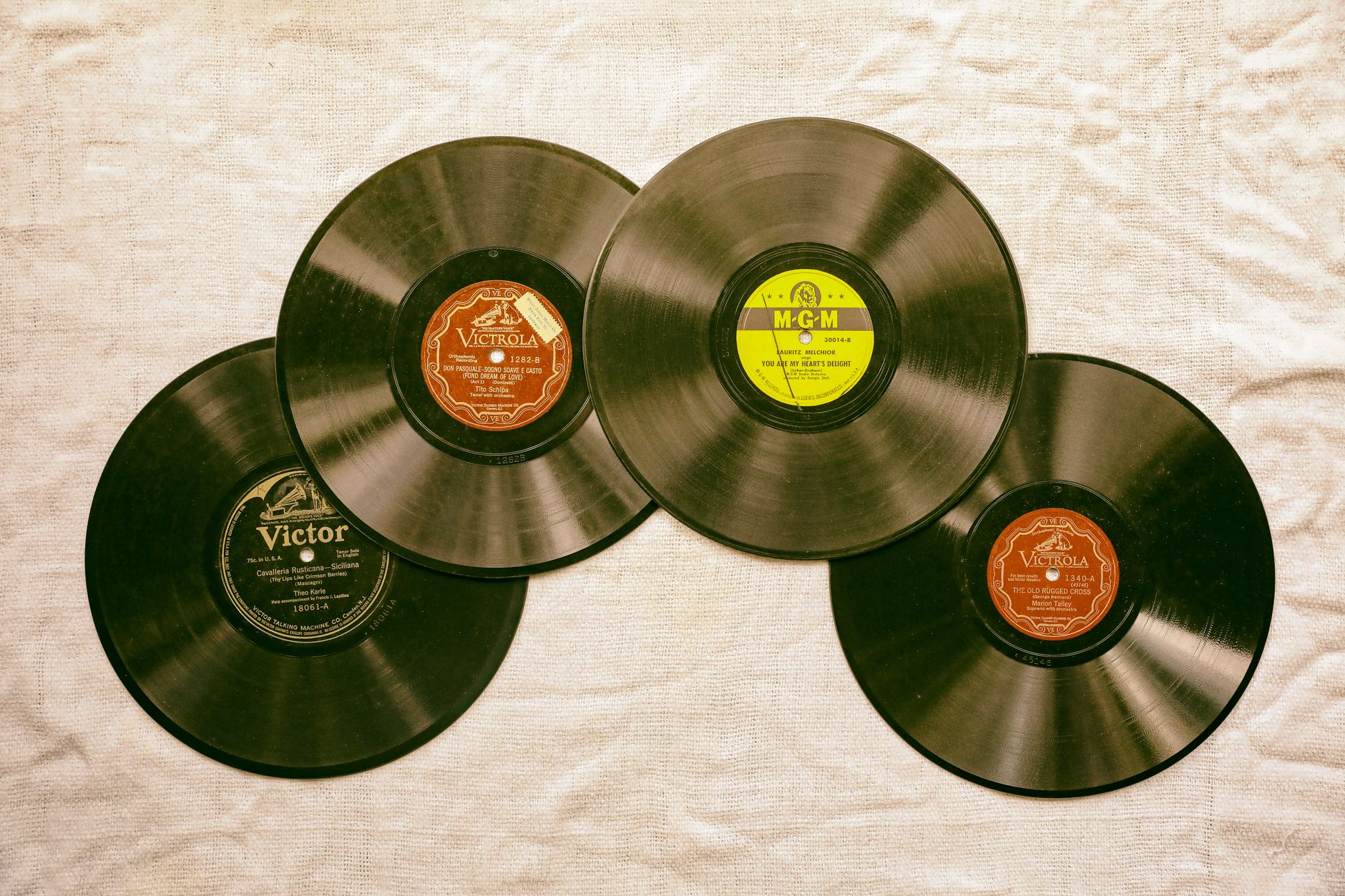
Nostalgia is a complex psychological state often triggered by sensory input, with music serving as one of the most potent catalysts. When listeners engage with vintage recordings, the brain undergoes a process of associative memory retrieval. This phenomenon explains why specific melodies, chord progressions, and vocal textures from decades past can transport an individual to a different era, even if they did not personally experience that time period. The “best” vintage songs are those that balance technical musicality with a universal lyrical quality, allowing them to remain relevant across generations.
Table of Contents
The Science of Auditory Nostalgia
The connection between music and memory is rooted in the way the brain processes auditory stimuli. Research indicates that music activates the medial prefrontal cortex, a region associated with autobiographical memory and emotional regulation. Vintage songs often utilize specific production techniques, such as analog tape saturation or particular reverb settings, which provide a distinct “warmth” that modern digital recordings sometimes lack. This sonic texture acts as a marker for a bygone era, signaling to the brain that the content is historical and therefore worthy of sentimental classification.
Songs that achieve a high degree of nostalgic resonance often share common structural traits:
- Minor-to-Major Transitions: These shifts often mirror the arc of human emotion, moving from introspection to hope.
- Vocal Intimacy: Tracks recorded with close-mic techniques create a sense of direct communication between the artist and the listener.
- Minimalist Instrumentation: Removing layers of sound forces the listener to focus on the core melody, which is more easily stored in long-term memory.
Defining the Vintage Soundscape
When evaluating vintage tracks, the focus shifts toward compositions that defined their respective decades while maintaining a timeless quality. The mid-20th century, in particular, produced a wealth of material that continues to dominate cultural playlists. The transition from the big band era to the singer-songwriter movement of the 1970s provides a vast catalog of music that relies on storytelling and harmonic complexity.
The Influence of 1960s Folk and Soul
The 1960s represented a shift toward introspective songwriting. Artists began to treat the studio as an instrument, experimenting with new ways to capture sound. Folk music from this era often utilized acoustic guitar fingerpicking and simple, resonant vocal harmonies that emphasize clarity and truthfulness. Simultaneously, the soul movement introduced a raw, gospel-influenced intensity that prioritized emotional honesty over technical perfection. These genres remain the bedrock of nostalgic listening because they prioritized the “human element” in production.
The 1970s Singer-Songwriter Boom
The 1970s brought a focus on the personal narrative. The instrumentation became slightly more sophisticated, incorporating piano arrangements and orchestral swells that emphasized the mood of the lyrics. This era is characterized by a specific type of melancholy—a reflective, mid-tempo groove that invites the listener to sit with their thoughts.
Comparison of Nostalgic Musical Eras
| Era | Primary Sonic Characteristic | Emotional Focus | Key Instrumentation |
|---|---|---|---|
| 1940s-50s | Big Band/Crooner | Romance & Longing | Brass sections, strings |
| 1960s | Folk/Psychedelic | Change & Idealism | Acoustic guitar, organs |
| 1970s | Singer-Songwriter | Introspection | Piano, electric guitar |
| 1980s | Synth-Pop/New Wave | Energy & Yearning | Synthesizers, drum machines |
Why Certain Tracks Stand the Test of Time
A vintage song becomes “nostalgic” not just because of its age, but because of its ability to remain malleable. A song that is too specific to a single political event or cultural fad may lose its impact over time. Conversely, songs that explore universal themes—loss, the passage of time, the search for identity, and the complexity of relationships—retain their power indefinitely.
Universal Lyrical Themes
The longevity of a song is often tied to the ambiguity of its lyrics. When a songwriter leaves space for the listener to project their own experiences onto the track, the song becomes a vessel for memory. This is why ballads about leaving home or the end of a season are frequently cited as the most nostalgic compositions. They describe a universal human experience that transcends the specific year in which the song was written.
The Role of Harmonic Complexity
Songs that utilize unexpected chord changes—such as the use of diminished chords or secondary dominants—often create a sense of “longing” within the listener. These harmonic choices create tension that is resolved slowly, mirroring the feeling of reminiscence. When a melody lingers on a note that sits outside the primary key, it creates a “blue” or melancholic feeling that is a hallmark of many classic tracks.
Practical Approaches to Curating a Nostalgic Playlist
Building a collection of music that evokes nostalgia requires an understanding of how different sounds interact. To create a cohesive listening experience, consider the following strategies:
- Focus on Tone: Group songs that share a similar sonic warmth or production style. Mixing a high-fidelity 1980s track with a lo-fi 1950s recording can be jarring; aim for a consistent “vibe.”
- Prioritize Mood Over Genre: A playlist can span decades as long as the emotional energy remains consistent. A melancholic jazz standard can sit comfortably next to a stripped-back folk ballad if they share the same reflective tempo.
- Consider the “Sonic Bridge”: Use instrumental tracks or interludes to transition between different decades. This prevents the listener from feeling the abrupt shift in production quality.
Frequently Asked Questions
What makes a song feel “vintage” to a modern listener?
The vintage feel is largely attributed to the limitations of recording technology during the era, such as tape hiss, limited frequency response, and the lack of digital pitch correction. These imperfections are now perceived as “warmth” and “authenticity.”
Can music create nostalgia for an era one never lived in?
Yes, this is known as “anemoia.” It occurs when an individual feels nostalgic for a time period based on its cultural representation in film, literature, and music. The aesthetic qualities of the music serve as a gateway to this imagined past.
Why do some songs lose their nostalgic appeal over time?
Overexposure is the primary cause. When a song becomes a cliché or is used too frequently in commercial media, the original emotional connection is often diluted. Songs that remain “deeply nostalgic” are typically those that have maintained a degree of artistic integrity.
How does tempo affect the nostalgic quality of a song?
Slower tempos allow for more processing time for the listener, which encourages reflection. Mid-to-slow tempo songs are generally more effective at inducing a state of calm introspection than high-energy, fast-paced tracks.
Reflections on the Timeless Nature of Melody
The pursuit of the perfect nostalgic song is an ongoing process of discovery. As music production continues to evolve, the appreciation for the raw, human-centered recordings of the past remains a stable force in the cultural landscape. These songs serve as anchors, providing a sense of continuity in a rapidly changing world. By examining the structural components of these tracks—the way they balance melody, lyricism, and emotional depth—listeners can better understand why certain pieces of music hold such a permanent place in the collective consciousness. The value of these vintage tracks lies not in their age, but in their capacity to remain meaningful, offering a consistent point of reference that defines the human experience through sound.
Frequently Asked Questions (FAQ)
Q: What is the difference between vintage and retro design?
A: “Vintage” generally refers to authentic items that are at least 20 to 100 years old, representing the era they were made. “Retro” refers to modern designs that imitate styles of the past.
Q: Why is mid-century modern design still popular today?
A: Mid-century modern design remains highly popular due to its emphasis on clean lines, organic curves, structural functionality, and timeless integration of indoor and outdoor living spaces.
Q: How can I integrate vintage collectibles into a modern home?
A: You can integrate vintage items by using them as accent statement pieces, blending them with neutral modern palettes, or repurposing old items (like retro radios) as functional decor.


2 Comments
Pingback: The Ultimate Guide to the Best Lo-Fi and Vintage Music Playlists for Relaxation – Anemoia
Pingback: The Sonic Time Machine: How Retro Music Creates Emotional Memories – Anemoia