

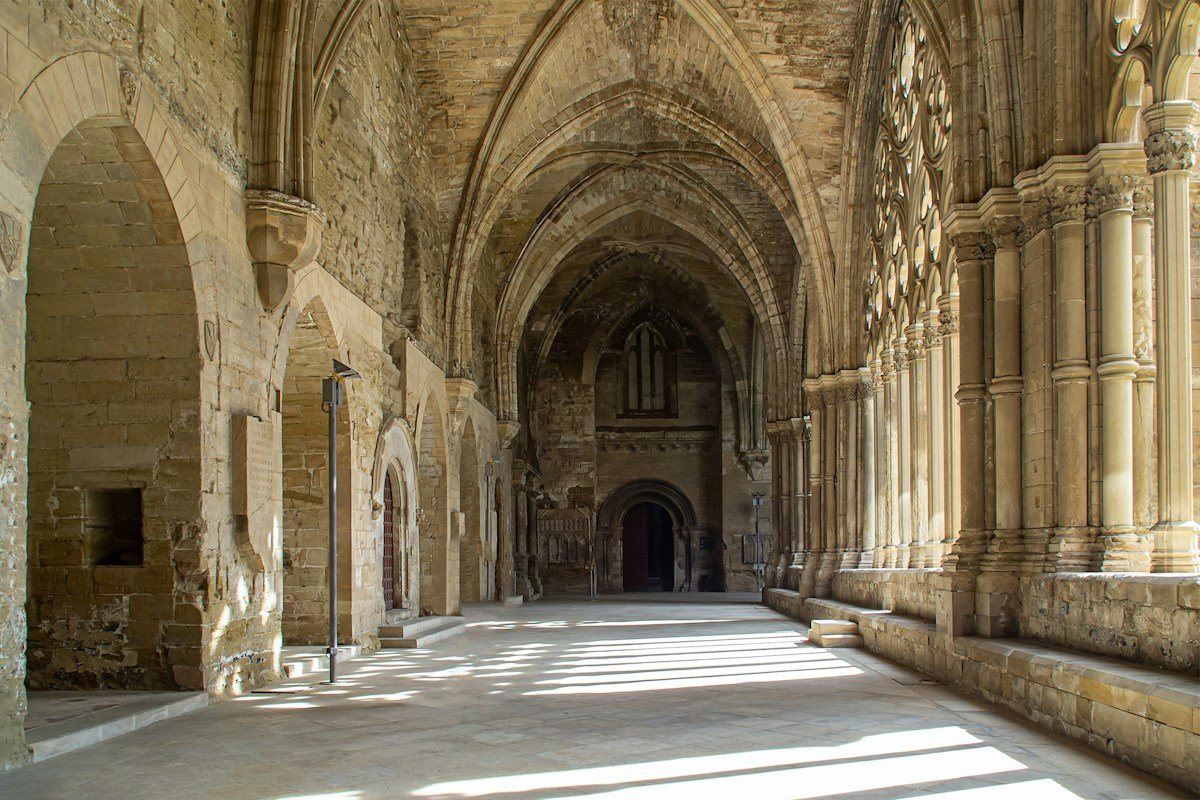
To enter the surviving refectory of a medieval Cistercian or Benedictine abbey is to cross an acoustic threshold into a realm where physical architecture was engineered for a single sacred purpose: the cultivation of communal silence. High overhead, pointed quadripartite rib vaults of pale limestone spring from slender wall shafts, while narrow double-lancet windows channel soft shafts of daylight across scrubbed oak trestle tables. In these monumental dining halls, hundreds of medieval brethren gathered daily to partake of communal meals without uttering a single spoken word. Instead, the cavernous room was filled with the rhythmic cadence of a solitary lector reading scripture from a high stone pulpit, his voice amplified and sustained by the acoustic resonance of medieval stone vaulting. This sacred architecture continues to evoke an acute anemoic longing in the modern observer, a profound yearning for an era when silence was revered not as empty absence, but as the supreme physical vessel of spiritual presence and human dignity.
The monastic refectory was far more than a functional eating facility; it was an embodied theological laboratory where spatial geometry, acoustic physics, and spiritual asceticism converged. Monastic rules, such as the Rule of Saint Benedict formulated in the sixth century, strictly mandated absolute silence during meals, prohibiting casual chatter, laughter, or worldly discourse. Historical architectural research conducted at the University of Cambridge Department of History demonstrates that medieval master masons possessed an intuitive, highly sophisticated understanding of acoustic wave propagation. By calculating vault heights, wall curvatures, and stone porosity, masons tuned the acoustic properties of monastic refectories to ensure that spoken Latin texts were projected with clarity while the mundane clatter of wooden spoons, earthenware bowls, and shuffling sandals was gently absorbed into the background reverberation.
In the psychology of sound, acoustic environments directly shape human neurocognitive states and emotional equilibrium. Contemporary human beings inhabit environments characterized by relentless broadband noise: vehicular traffic, computer fans, electronic notifications, and commercial music that perpetually agitate the autonomic nervous system. In contrast, the acoustic architecture of the medieval refectory provided an acoustic oasis where silence was alive, warm, and resonant. The reverberation of limestone vaults enveloped the listener in a dignified, communal quietude that signaled safety to the limbic system, allowing the default mode network to engage in deep philosophical reflection and moral self-examination.
To understand why the vaulted silence of medieval monastic spaces exerts such a hypnotic emotional pull upon modern consciousness, one must explore its architectural acoustics, monastic sign languages, lectern pulpit design, daily dining rituals, and spiritual philosophies. This comprehensive study examines the physical craftsmanship, psychoacoustic principles, and existential disciplines of medieval monastic dining, exploring how these ancient stones continue to teach humanity the forgotten art of contemplative peace.
The Architectural Geometry: Rib Vaults, Lancet Windows, and Limestone Density
The structural design of the medieval monastic refectory evolved from the heavy, round-arched Romanesque basilicas of the tenth and eleventh centuries into the soaring, light-filled Gothic rib-vaulted halls of the twelfth and thirteenth centuries. Chief among the monastic orders that revolutionized refectory architecture were the Cistercians, founded at Cîteaux in 1098 under the reformist leadership of Saint Bernard of Clairvaux. The Cistercians rejected the ornate figurative sculpture, stained glass, and ostentatious gilding of Cluny, establishing an architectural philosophy of radical simplicity, proportion, and structural truth.
A typical high-medieval refectory was an elongated rectangular hall, often measuring over one hundred feet in length and thirty to forty feet in width, oriented north-south to optimize solar exposure throughout the day. Master masons constructed soaring quadripartite or sexpartite rib vaults supported by slender wall corbels or central arcades of monolithic limestone piers. The use of pointed Gothic arches exerted significantly less lateral thrust than Romanesque barrel vaults, allowing masons to pierce the load-bearing exterior walls with tall, elegant lancet windows that flooded the long interior with clear, unadorned daylight.
The physical density and chemical composition of the building materials were essential to both physical permanence and acoustic performance. Masons built using dense regional limestones, such as Caen stone in Normandy, Purbeck marble in England, or Savonnières limestone in Burgundy, joined with flexible hydraulic lime mortars. The interior stone surfaces were dressed with precision axes and chisels, creating a finely textured surface that subtly scattered high-frequency sound reflections while reflecting lower vocal fundamentals with pristine clarity.
Furthermore, the physical proportions of the refectory were derived from sacred musical intervals and geometric harmonies, including the Golden Ratio (1:1.618) and the harmonic ratios of the octave (1:2), fifth (2:3), and fourth (3:4). Medieval master masons believed that physical architecture was frozen music, that by harmonizing spatial dimensions with cosmic musical intervals, the building itself would vibrate in sympathy with the divine order. This geometric discipline imparted an undeniable feeling of serenity and structural balance to the space, an architectural majesty that calms the human spirit upon entering.
The Acoustics of Monastic Chanting and Scripture Reading: The Stone Pulpit
The central acoustic feature of the monastic refectory was the reader’s pulpit, known as the lectern pulpit or ambo. Unlike secular dining halls where seating arrangements reinforced social hierarchy through a high dais for the lord, the monastic refectory was arranged with long tables running along the perimeter walls, seating all monks equally with their backs to the wall, facing inward toward an open central floor. Built high into the masonry of the long side wall, accessed via a narrow mural stone staircase hidden within the wall thickness, was the stone reader’s pulpit.
The positioning of the pulpit was an acoustic masterstroke. Elevated twelve to fifteen feet above the floor, the pulpit placed the lector’s mouth at the optimal geometric node to project his voice across the room without acoustic obstruction from seated bodies. The stone canopy overhead functioned as a natural acoustic reflector, directing sound waves downward and outward across the length of the hall. A single monk reading in a steady, measured baritone could be heard with crystal clarity by over a hundred brethren seated at the farthest ends of the room, without ever having to shout or strain his vocal cords.
The style of reading was strictly regulated by monastic customaries. The lector did not declaim with theatrical emotionalism or conversational inflection; he employed the formal ecclesiastical accentus, a steady, monotone recitation punctuated by standardized cadential pitch drops at commas, colons, and periods. This musical chanting style minimized speech intelligibility loss caused by room reverberation. The prolonged vowels resonated through the limestone vaults like soft organ tones, creating an acoustic backdrop of sacred contemplation that transformed the physical act of eating into an act of spiritual nourishment.
Monastic scholars like Saint Augustine and Saint Benedict emphasized that the ear must be fed while the mouth receives sustenance. In the refectory, the lector read from the Bible, the sermons of the Church Fathers, or the Lives of the Martyrs. While the body was nourished with simple bread, vegetable pottage, and small beer, the conscious mind was anchored in timeless theological and moral contemplation, preventing the sensory indulgence of food from descending into gluttony or mindless animal consumption.
The Rule of Saint Benedict and the Sanctity of Table Silence
To fully understand the psychological depth of the refectory, one must examine the spiritual philosophy of monastic silence, known in Latin as silentium or quies. The sixth-century Rule of Saint Benedict, which served as the foundational constitution for thousands of medieval monasteries across Europe, devoted specific chapters to the strict preservation of silence, identifying chapter 38 as the definitive rule governing the weekly reader and table discipline.
Benedict wrote with uncompromising clarity: Let there be the strictest silence at table, so that no whispering or voice may be heard, save that of the reader alone. The Rule recognized that human speech is the primary vehicle for vanity, gossip, discord, and egoic self-promotion. By entering into silent communion, the monks dismantled the competitive social dynamics that typically characterize human dining. There was no need to engage in witty banter, flatter superiors, or defend personal status. In the silence of the refectory, all human beings stood equal before the eternal.
If an item was required during the meal, such as salt, bread, or a pitcher of water, the monks were strictly forbidden from speaking. Instead, they utilized a complex, silent vocabulary of monastic sign language. Over centuries, monastic orders developed hundreds of distinct hand gestures to communicate practical dining needs: a cupped hand signified bread; tapping the teeth indicated fruit; folding the hands symbolized fish; while rubbing two fingers together requested salt. These quiet, elegant hand gestures preserved the acoustic purity of the hall, allowing the lector’s voice to float unimpeded through the vaulted air.
This institutional discipline was not experienced as an oppressive punishment, but as a profound liberation. In a violent, chaotic, and loud medieval world, the monastery offered the only physical sanctuary where a human soul could enjoy uninterrupted mental quietude. Table silence provided a collective psychological refuge, an intentional space where the internal chatter of anxiety, ambition, and fear could finally dissolve into the healing embrace of shared communal stillness.
Acoustic Ecology: Reverberation Time and the Elimination of Mechanical Noise
From an acoustic engineering perspective, the medieval monastic refectory represents a fascinating historical case study in room acoustic design. In contemporary acoustic terminology, room reverberation is measured by RT60: the time required for an acoustic signal to decay by sixty decibels after the sound source has ceased. In a typical modern corporate cafeteria or restaurant, surfaces are intentionally designed with low reverberation times (zero point five to zero point eight seconds) to maximize speech intelligibility, but the sheer volume of hundreds of competing simultaneous conversations creates a deafening acoustic din known as the cocktail party effect.
In contrast, a medieval refectory possessed a relatively long RT60, typically ranging between two point zero and three point five seconds, depending on the height of the vaults and whether tapestry wall hangings were present. In a secular dining hall, such a long reverberation time would cause chaotic acoustic cacophony as voices bounced and overlapped. However, because only a single lector was permitted to speak, the long reverberation time did not muddy communication; it elevated it. The acoustic resonance sustained the lector’s pitch, enveloping the listeners in a warm, cathedral-like acoustic bloom.
Equally critical was the total absence of modern mechanical background hums. There were no electrical transformers, no refrigerator compressors, no forced-air heating fans, and no traffic rumbles. The ambient noise floor inside a medieval refectory dropped to near-zero levels, broken only by natural sounds: the wind outside high lancet windows, the rustle of wool habits, the bubbling of water poured from a ceramic pitcher, and the gentle chirping of swallows nesting in the cloister roof. This near-zero noise floor allowed the human auditory system to relax its defensive filtering mechanisms, heightening sensory sensitivity and allowing subtle vocal nuances to be perceived with exquisite clarity.
Studies in environmental neurobiology reveal that exposure to long, natural reverberant acoustic fields stimulates the parasympathetic nervous system, inducing alpha and theta brainwave patterns associated with deep meditative focus, reduced arterial blood pressure, and heightened emotional calm. In the vaulted refectory, architecture functioned as an active neurological stabilizer, guiding the human organism into a state of serene, contemplative equilibrium.
Material Ephemera: Trestle Tables, Earthenware, and Horn Spoons
The sensory reality of the monastic meal was grounded in honest, unadorned material culture that embodied the monastic vows of poverty and simplicity. Unlike secular royal feasts characterized by precious metals, elaborate tablecloths, and ostentatious culinary displays, the monastic refectory celebrated the dignity of humble natural materials.
Dining tables were long, narrow wooden trestle tables constructed from massive planks of quarter-sawn English oak, French chestnut, or European beech. These tabletops were unvarnished and unpainted, scrubbed daily with river sand, salt, and water until the wood grain wore into soft, pale silver-grey surfaces that felt warm and velvety to human touch. Monks sat upon simple wooden benches without backrests, maintaining erect, disciplined physical postures that encouraged focused mindfulness throughout the meal.
Utensils and tableware were equally rudimentary. Monks ate from shallow earthenware trenchers or lathe-turned wooden bowls known as mazers. Utensils were limited to a single iron knife carried in the monk’s belt and a spoon carved from animal horn, bone, or boxwood; forks were considered an effeminate secular luxury and were strictly forbidden. Drinking vessels consisted of simple unglazed clay pitchers and horn cups. When these natural materials touched the table, they produced quiet, muffled wooden thuds rather than the harsh, ringing clatter of modern metal forks and ceramic plates, preserving the acoustic softness of the room.
The food itself was a model of seasonal agrarian simplicity: a loaf of coarse dark rye or wheat bread, a bowl of vegetable pottage stewed with leeks, beans, and cabbage from the monastery gardens, salted fish or cheese on feast days, and small beer or watered wine. Yet because the meal was eaten in absolute silence, with focused attention and profound gratitude, the simple flavors of fresh bread, garden herbs, and spring water were experienced with heightened sensory intensity. The monastic meal was a sacred ritual of sensory gratitude, demonstrating that true culinary fulfillment is achieved not through luxurious excess, but through mindful, reverent appreciation of simple nourishment.
Spatial Adjacencies: The Cloister, Lavatorium, and Architectural Flow
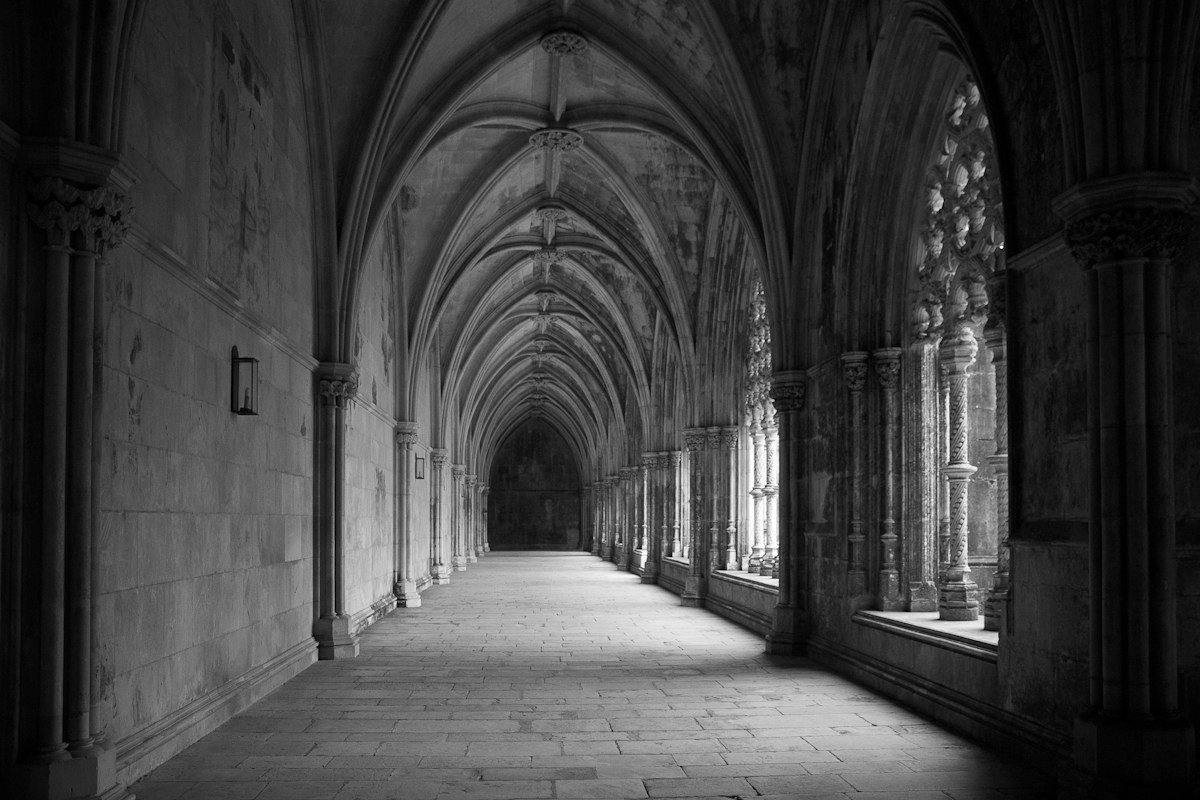
The refectory did not exist as an isolated architectural monument; it was an integral component of a meticulously planned monastic precinct, arranged around the central green quadrangle of the cloister. The spatial choreography that led monks from their daily manual labor into the refectory was an elaborate physical and spiritual transition designed to cleanse both body and soul before entering the sacred presence of food and silence.
Immediately outside the refectory entrance, nestled within the southern or western arcade of the cloister, stood the lavatorium: a monumental stone washing fountain fed by pure underground lead pipes or stone aqueducts. The lavatorium featured an ornate circular or octagonal stone basin surrounded by brass water spigots where monks washed their hands before every meal. Hanging from wooden rods beside the fountain were long linen roller towels, woven on monastic looms. The ritual of handwashing was both practical hygiene and symbolic purification: washing away the soil of the agricultural fields and scriptorium inks, leaving behind worldly labor before crossing the threshold into the silent refectory.
The architectural placement of the refectory within the cloister layout was carefully calculated. It was positioned opposite the grand abbey church, directly across the cloister garth, symbolizing the complementary balance between spiritual prayer in the church and physical sustenance in the refectory. The cloister walkway itself served as an acoustic and thermal buffer, its open arcades allowing natural daylight and fresh garden breezes to circulate while filtering out external service yard noises from bakeries, breweries, and stables.
This spatial flow: from field to cloister, from cloister to lavatorium, and from lavatorium into the vaulted refectory, established a gradual, stepwise deceleration of human tempo. Each architectural threshold signaled to the monk that he was stepping deeper into holy ground, preparing his conscious mind to shed worldly distractions and enter into complete, serene harmony with the monastic brotherhood.
The Monastic Sign Language: Silence as an Intricate Art of Communication
The enforcement of table silence did not isolate the monks from one another; paradoxically, it gave birth to one of the most sophisticated and poetic non-verbal communication systems in human cultural history: monastic sign language. Documented in medieval manuscripts such as the Cluny customary (Consuetudines Cluniacenses) compiled by Bernard of Cluny in the eleventh century, these sign lexicons comprised hundreds of precise manual gestures that allowed monks to communicate complex practical and theological messages without uttering a single sound.
These sign systems were characterized by exquisite metaphorical imagination and physical grace. To sign for bread, a monk formed a circle with his thumbs and forefingers, representing the round monastic loaf; to indicate wine, he bent his finger and touched his cheek, evoking the warmth and color that wine brings to the face. If a monk wished to ask for water, he joined his hands together and made a flowing, wavy motion like a running stream. To refer to a book, he placed his flat palms together and slowly opened them like turning manuscript leaves.
The sign language required deep mutual attentiveness, patience, and empathetic observation. Because hand gestures could easily be missed in a large room, monks had to remain acutely aware of their neighbors’ subtle physical movements. A slight incline of the head, a delicate gesture of the fingers, or an inquiring glance across the table established immediate, silent communication. The refectory became a silent ballet of hands, a communal dance where physical necessity was met with quiet courtesy and mutual respect.
Sociological studies in human non-verbal communication reveal that gestural language activates the mirror neuron system with exceptional intensity, fostering deep interpersonal empathy and social solidarity. By removing spoken verbal competition and vocal posturing, monastic sign language bound the brotherhood together in an intimate, compassionate communion that spoken words could never achieve. The silence was not a barrier between souls, but the transparent medium through which true fellowship flourished.
The Dissolution and the Tragic Ruin of Medieval Monastic Spaces
The poetic silence that filled Europe’s monastic refectories for nearly a thousand years was violently shattered during the political and religious upheavals of the sixteenth and eighteenth centuries. The most catastrophic destruction occurred in England between 1536 and 1541 during the Dissolution of the Monasteries under King Henry VIII, followed two centuries later by the secularization campaigns of the French Revolution.
In a span of less than five years, Henry VIII’s royal commissioners suppressed over eight hundred monasteries, priories, and friaries across England, Wales, and Ireland. The architectural treasures of monastic civilization: Fountains Abbey, Rievaulx, Tintern, and Glastonbury, were stripped of their lead roofs, bronze bells, and oak timbering, leaving their monumental limestone vaults to collapse under winter rains. The majestic refectories, where generations of monks had dined in holy quiet, were turned into stone quarries for local roads, barns for cattle, or romantic, roofless ruins overgrown with ivy and wild briars.
The loss to European culture was immeasurable. Centuries of accumulated architectural wisdom, spiritual discipline, and communal heritage were eradicated in the name of royal greed and political consolidation. The thousands of monks and nuns who had inhabited these sanctuaries were dispersed into secular society, and the living tradition of communal monastic silence was permanently severed across large portions of Western Europe.
Yet in their ruined, roofless state, these ancient monastic spaces acquired a new, haunting form of acoustic and visual poetry. In the eighteenth and nineteenth centuries, Romantic painters like J.M.W. Turner and poets like William Wordsworth wandered through the skeletal arches of Tintern Abbey, finding in the roofless stone pillars and silent grass-covered refectory floors an overwhelming symbol of human mortality and sublime transience. The ruined refectory, where the sky had replaced the limestone vault and birdsong had replaced the lector’s chant, became the ultimate shrine for anemoic contemplation, reminding humanity that even the most sacred structures created by human hands must eventually yield to the silent, patient embrace of nature and time.
The Psycho-Spiritual Architecture of Ascetic Dining: The Fast and the Feast
To view the medieval refectory purely as an exercise in grim sensory deprivation is to fundamentally misunderstand the dynamic psychological balance of the monastic liturgical calendar. The monastic life was structured around a profound, rhythmic alternation between the fast and the feast, a cycle that trained the human nervous system to experience both physical discipline and joyous abundance with deep mindfulness.
During the solemn seasons of Lent, Advent, and weekly fast days, the refectory became an arena of heroic spiritual combat. Meals were reduced to a single daily sitting in the late afternoon; dairy products, eggs, and fats were eliminated; and the readings from the pulpit focused upon repentance, mortality, and the Passion of Christ. This physical fasting heightened sensory acuity and mental clarity, stripping away physical lethargy and allowing the monks to experience an intense, refined spiritual focus.
However, when the great feasts of the liturgical year arrived: Easter, Christmas, Pentecost, and the patronal feast of the abbey, the refectory exploded into sensory celebration. The tables were covered with clean white linen cloths; the food was enriched with fish, fresh eggs, fragrant cheeses, spiced pastries, and rich monastic ales; and the discipline of silence was frequently relaxed to allow joyous communal conversation and laughter. Because the monks had lived through weeks of austere fasting, they experienced these festive meals with an ecstatic, childlike gratitude that modern consumers, surrounded by perpetual year-round abundance, can scarcely imagine.
This rhythmic alternation between restraint and celebration provided deep psychological equilibrium. It prevented meals from becoming monotonous or taken for granted. In the sacred space of the refectory, food was restored to its true existential status: a divine gift to be received with reverence, shared with brothers in love, and celebrated with boundless gratitude.
Acoustic Restorations: Modern Choirs and the Living Resonance of Ancient Stone
In the twenty-first century, a magnificent cultural renaissance has breathed living acoustic life back into the surviving medieval monastic refectories and chapter houses across Europe. World-renowned early music vocal ensembles, such as The Tallis Scholars, Stile Antico, and the Hilliard Ensemble, travel to historical abbeys like Fontenay in Burgundy, Sénanque in Provence, and Fountains Abbey in Yorkshire to perform and record sacred polyphony and Gregorian chant in their authentic historical acoustic habitats.
When professional vocalists sing within these medieval limestone vaults, the acoustic interaction between human vocal cords and ancient stone is electrifying. The natural resonant frequencies of the space amplify the vocal overtones, creating a luminous, halo-like acoustic bloom where four or eight singers sound like an angelic choir of twenty. The music does not sound projected onto the space; it sounds as if it is emerging directly from the stones themselves, as if the thousands of hours of monastic prayer and scripture reading that saturated the walls centuries ago are being released back into the air.
Advanced digital audio engineers utilizing ambisonic spatial microphone arrays capture these performances with breathtaking spatial fidelity. Listeners in the modern world, putting on high-fidelity headphones, can close their eyes and be instantly transported across eight centuries, feeling the cold air of the abbey, hearing the breath of the singers, and experiencing the soaring, reverberant stone vaults of a medieval refectory with uncanny realism. In these recordings, technology serves as an acoustic time machine, uniting the medieval mason, the Renaissance composer, and the modern digital listener in a shared sanctuary of transcendent sound.
This living acoustic restoration demonstrates that the architectural wisdom of the Middle Ages remains completely relevant to contemporary human culture. The ancient stones still possess the power to move, inspire, and heal the human soul, proving that the sacred quest for beauty, harmony, and contemplative peace is an eternal, unchanging human need.
The Monastic Lesson for the Hyper-Connected Age: Reclaiming Silent Sanctuaries
What can the vaulted silence of a medieval monastic refectory teach a twenty-first-century human being living in an era of non-stop digital notifications, social media performativity, and chronic attentional fragmentation? The lesson is both radical and urgently practical: that silence is not an archaic luxury, but an essential, indispensable prerequisite for human mental health, emotional wisdom, and genuine community.
Modern society suffers from an acute, devastating addiction to noise. We fill every spare moment of our lives with podcasts, streaming video, social media feeds, and background music, terrified of confronting the raw silence of our own interior minds. We eat our meals while staring at glowing smartphone screens, inhaling our food without tasting it, communicating with distant digital contacts while completely ignoring the physical human beings sitting across the table from us. The result is a society that is hyper-connected yet profoundly lonely, over-informed yet devoid of wisdom, constantly speaking yet rarely communicating.
The medieval refectory offers a magnificent alternative. It challenges us to create intentional sanctuaries of silence within our modern homes and daily lives. It invites us to establish tech-free dining tables where meals are eaten in mindful presence, to cultivate regular periods of solitary contemplation, and to rediscover the profound joy of listening deeply to the quiet rhythms of the natural world.
By learning from the master masons and silent monks of the Middle Ages, we can begin to rebuild the architecture of our own interior lives. We can discover that beneath the chaotic surface noise of our modern world, there exists an enduring, vaulted sanctuary of peace within the human soul: a sacred space where the mind settles, the heart heals, and the eternal light of beauty shines with timeless, unshakeable grace.
Comparative Diagnostic Matrix of Medieval Acoustic Typologies and Spiritual Disciplines
A rigorous architectural, acoustic, and theological analysis of monastic spaces requires systematic comparison across different monastic orders, architectural configurations, acoustic reverberation metrics, and spiritual disciplines. The physical geometry of the hall, the treatment of stone surfaces, and the strictness of liturgical rules directly dictated how acoustic vibrations interacted with human consciousness.
The comparative diagnostic matrix below illustrates the definitive architectural parameters, acoustic reverberation profiles, vocal recitation styles, and psychological outcomes that distinguished the high-medieval monastic refectory from the abbey church, the secular royal great hall, and the modern institutional dining room. This matrix synthesizes historical acoustics, monastic archaeology, and psychoacoustics.
| Spatial Typology | Medieval Monastic Refectory (12th-13th Century) | Secular Feudal Great Hall (12th-14th Century) |
| Architectural Structure | Pointed quadripartite limestone rib vaults; tall lancet windows; elevated mural stone reader’s pulpit. | Open timber hammerbeam roof; massive central hearth; elevated lord’s high dais; minstrel gallery. |
| Acoustic Character (RT60) | Reverberation time 2.0 – 3.5 seconds; acoustic enhancement of single monotone lector; noise floor <25 dB. | Reverberation dampened by timber, rushes, and tapestries (1.2 – 1.8s); high chaotic acoustic din (>75 dB). |
| Acoustic Communication | Absolute table silence; single lector chanting ecclesiastical accentus; comprehensive monastic sign language. | Loud boisterous conversation; bardic storytelling; hunting horn calls; shouts, laughter, and dog barks. |
| Seating & Social Layout | Egalitarian perimeter seating facing inward; backs to stone wall; monks sit on unbacked benches. | Strict feudal hierarchy; lord and nobles seated above salt on high dais; retainers on low trestles. |
| Psychological Outcome | Parasympathetic activation; deep introspective contemplation; communal empathy; ego transcendence. | Social dominance competition; political alliance displays; sensory over-indulgence; emotional agitation. |
As demonstrated across these architectural and sociological dimensions, the medieval monastic refectory was an extraordinary triumph of contemplative engineering. By using stone vaulting, elevated reading pulpits, and strict codes of silence, medieval monasticism created a spatial haven where physical nourishment was seamlessly unified with intellectual depth and spiritual elevation.
Frequently Asked Questions Regarding Monastic Refectories
Why was absolute silence strictly enforced in medieval monastic refectories?
The Rule of Saint Benedict mandated absolute silence during meals to eliminate gossip, vanity, and social discord. By eliminating casual speech, dining ceased to be a venue for egoic competition, allowing the monks to focus on spiritual self-examination and listen to sacred scripture.
What was the purpose and acoustic design of the stone reader’s pulpit?
The reader’s pulpit, or ambo, was built high into the side masonry wall of the refectory. This elevated position placed the lector’s voice above seated bodies, allowing sound waves to project downward and reflect off the stone vaulting so that a single voice could be heard clearly throughout the entire hall.
How did monks communicate dining needs without speaking a single word?
Monastic orders developed elaborate sign language systems comprising hundreds of manual gestures. Monks used specific hand and finger movements to request bread, water, salt, or fish, preserving the acoustic silence of the room while satisfying all physical needs with quiet courtesy.
Why did the Cistercian order reject decorative stone carving in their refectories?
Led by Saint Bernard of Clairvaux, the Cistercians believed that elaborate stone carvings, gilding, and monster sculptures distracted the mind from spiritual contemplation. They championed an architectural purity based on harmonious geometric proportions, plain limestone, and natural daylight.
What was the lavatorium, and why was it located outside the refectory?
The lavatorium was a monumental stone fountain located in the cloister walkway directly outside the refectory doors. Monks washed their hands here before entering, a ritual that provided physical hygiene after manual labor and symbolized spiritual purification before partaking of communal meals.
How did the materials of monastic tableware keep the hall acoustically quiet?
Monks ate using lathe-turned wooden bowls, horn spoons, and earthenware trenchers. Unlike modern metal forks and porcelain plates, these organic materials produced quiet, muffled thuds when placed on oak tables, preventing sharp clatter from disturbing the lector’s reading.
What happened to Britain’s monastic refectories during the Dissolution?
Between 1536 and 1541, King Henry VIII suppressed hundreds of abbeys across Britain. Royal commissioners stripped the lead roofs, causing the stone vaults to collapse under weather. Many refectories became roofless ruins, used as quarries for building stone or barns for livestock.
How does the acoustic reverberation of stone vaults influence human brainwaves?
Natural acoustic reverberation times of two to three seconds in quiet spaces stimulate the parasympathetic nervous system, inducing alpha and theta brainwave oscillations associated with relaxed alertness, reduced heart rate, and deep introspective focus.
How can modern people apply the lessons of the monastic refectory today?
Modern families and individuals can create intentional tech-free meal rituals, turning off screens and phones to eat in mindful presence. Practicing quiet gratitude and active listening transforms daily dining into a restorative sanctuary from digital overstimulation.
Conclusion: The Eternal Sanctuary of the Listening Heart
The exploration of the medieval monastic refectory reveals that architecture is at its most sublime when it serves as a vessel for the quietude of the human soul. Across centuries of technological upheaval and social transformation, the vaulted limestone halls of the Middle Ages stand as enduring testaments to a civilization that understood that the highest form of human speech is the capacity to listen. In the monumental silence of the refectory, where stone arches carried the gentle cadence of scripture and human hearts beat in unhurried, communal fellowship, we discover a sanctuary that time can never dismantle.
As we gaze upon these surviving vaulted spaces today, listening to the gentle stir of wind through ancient lancet windows and the peaceful echo of our own thoughts, we are called to rediscover the sacred discipline of silence. The vaulted refectories of the past remind us that our true spiritual hunger cannot be satisfied by the deafening noise and frantic commercialism of the modern world, but is fulfilled only when we enter the quiet, enduring chamber of the listening heart, finding there an eternal peace that the world can neither give nor take away.
