

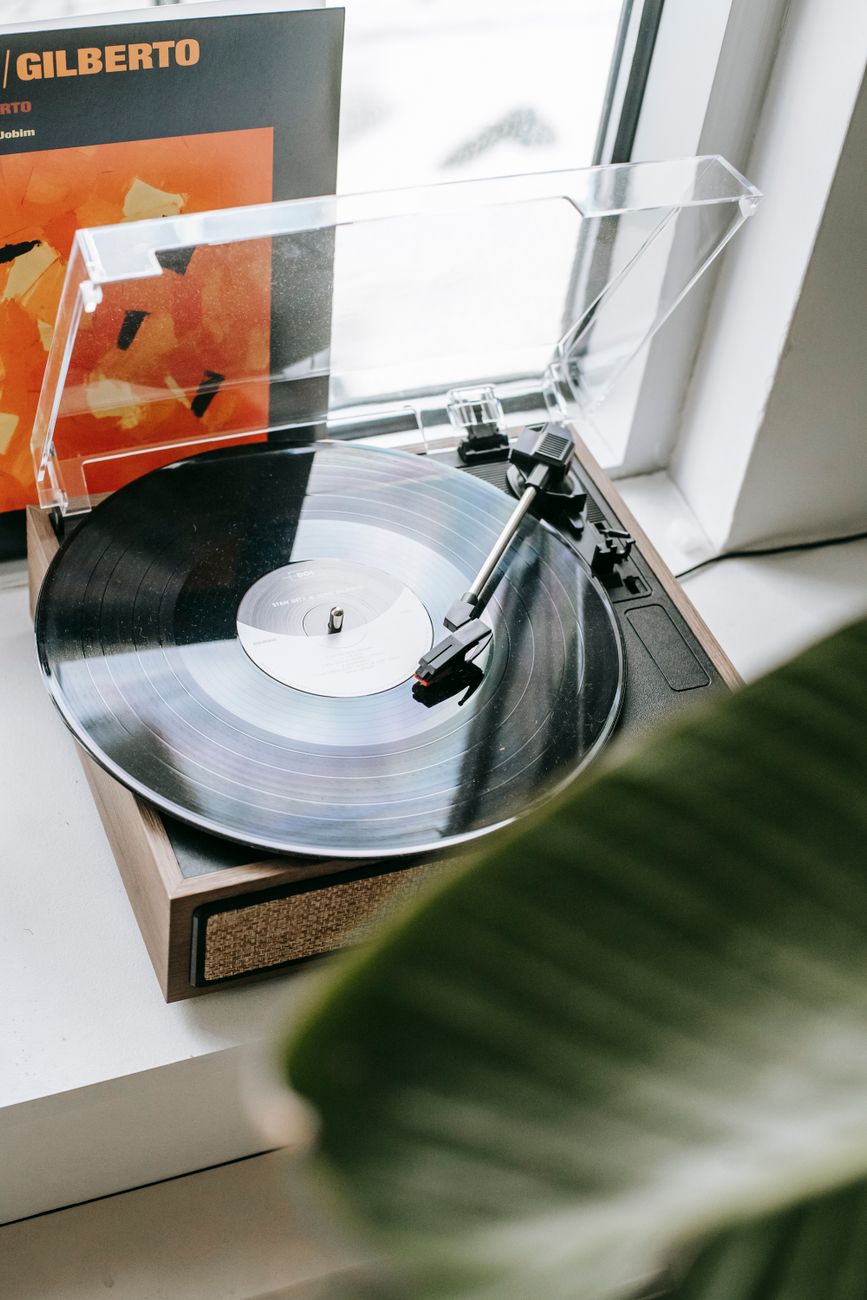
The modern environment often presents a constant stream of auditory stimulation, from digital notifications to the ambient noise of urban life. Finding a mental sanctuary requires intentional sound management. Lo-fi beats and vintage audio recordings have emerged as primary tools for achieving a state of calm. These genres rely on specific acoustic properties—such as lowered fidelity, rhythmic consistency, and historical warmth—to signal the brain that it is time to transition into a resting or focused state.
Table of Contents
- The Psychology of Lo-Fi Soundscapes
- Why Vintage Music Prompts Relaxation
- Comparing Audio Environments for Relaxation
- Curating the Ideal Listening Experience
- The Role of Rhythm in Stress Reduction
- Integrating Music into a Daily Routine
- Addressing Common Questions About Relaxation Music
- Final Reflections
The Psychology of Lo-Fi Soundscapes
Lo-fi, short for low fidelity, refers to a music production style where technical flaws like tape hiss, room noise, or slight pitch fluctuations are intentionally left in the recording. These imperfections provide a sense of organic warmth that digital, high-definition audio often lacks.
From a neurological perspective, the repetitive nature of lo-fi hip-hop beats acts as a form of auditory scaffolding. When the brain encounters predictable, mid-tempo rhythms, it reduces the cognitive load required to process environmental sounds. This phenomenon is frequently discussed in research regarding auditory processing and cognitive focus. By masking erratic background noises with a consistent, mellow beat, listeners can sustain attention on tasks for longer periods without experiencing the fatigue associated with silence or chaotic noise.
Why Vintage Music Prompts Relaxation
While lo-fi is a modern digital phenomenon, its appeal is rooted in the aesthetics of the past. Vintage music—specifically jazz from the 1940s and 1950s or bossa nova tracks—utilizes instrumentation that naturally aligns with human resting heart rates.
The inclusion of analog elements, such as the crackle of a vinyl record or the breathy output of a brass instrument, triggers a psychological response known as nostalgia-induced comfort. This sense of familiarity provides a grounding effect. When the auditory environment mimics the acoustic qualities of a previous era, the listener often experiences a decrease in cortisol levels. The lack of aggressive, high-frequency sound waves in these vintage recordings ensures that the music serves as a background companion rather than a distraction.
Comparing Audio Environments for Relaxation
Choosing the right soundscape depends on the specific goal, whether it is deep work, unwinding after a long day, or preparing for sleep. The following table illustrates the distinct characteristics of these two popular genres.
| Feature | Lo-Fi Beats | Vintage Jazz/Bossa Nova |
|---|---|---|
| Tempo | Consistent (70-90 BPM) | Variable, often slower |
| Instrumentation | Synthesized drums, soft piano | Brass, woodwinds, acoustic guitar |
| Audio Quality | Intentionally degraded (hiss/crackle) | Warm, analog, tape-recorded |
| Primary Use | Focused work and study | Evening relaxation and reading |
| Emotional Tone | Melancholic yet stable | Sophisticated and soothing |
Curating the Ideal Listening Experience
To maximize the benefits of these playlists, the method of consumption matters as much as the content. Experts in sound therapy and music psychology suggest that the quality of playback equipment impacts the effectiveness of the music.
- Use Open-Back Headphones: These allow for a wider soundstage, preventing the “in-head” pressure that can build up during long listening sessions.
- Prioritize Instrumental Tracks: Vocals engage the language centers of the brain, which can interfere with focus. Instrumental lo-fi and vintage jazz allow the brain to remain in a passive, receptive state.
- Volume Consistency: Keep the volume at a low to moderate level. The music should feel like a texture in the room, not an active focal point.
The Role of Rhythm in Stress Reduction
Rhythm serves as a fundamental regulator for the human nervous system. When listeners engage with a steady 4/4 time signature common in lo-fi tracks, their internal physiological states often move toward entrainment. This is where the heart rate and breathing patterns begin to synchronize with the external rhythmic pulse.
In contrast, vintage music often employs “swing” or syncopated rhythms. While these are more complex, they remain predictable enough to be soothing. The lack of sharp, sudden transitions in these genres prevents the “startle response,” keeping the nervous system in a parasympathetic state, which is essential for recovery and rest.
Integrating Music into a Daily Routine
Effective use of these playlists involves creating rituals. For instance, transitioning from a high-stress workday to a period of recovery can be signaled by switching from upbeat music to a curated lo-fi or vintage jazz playlist. This acts as an auditory cue for the brain to shift gears.
Strategies for Effective Listening
- Environment Priming: Start the music five minutes before beginning a relaxation activity, such as reading or stretching.
- Avoid Skipping: Allow the playlist to flow naturally. The act of constantly selecting tracks disrupts the state of flow that these genres are designed to facilitate.
- Time-Boxing: Limit listening sessions to 60 or 90 minutes to prevent sensory adaptation, where the brain begins to ignore the music entirely.
Addressing Common Questions About Relaxation Music
Does the choice of music genre matter for relaxation?
Yes. Genres with high dynamic range and sudden changes in volume, such as heavy metal or complex orchestral pieces, may keep the nervous system on alert. Lo-fi and vintage music are chosen for their stability and warmth.
Is it better to listen to music with or without lyrics?
For relaxation and deep focus, instrumental music is generally superior. Lyrics force the brain to process linguistic information, which can hinder the ability to enter a meditative or highly focused state.
How does analog sound quality affect the brain?
Analog recordings contain “warmth” derived from harmonic distortion, which many listeners find more pleasing than the “cold” or “clinical” precision of modern digital audio. This warmth is often associated with a sense of safety and nostalgia.
Can listening to music too much be counterproductive?
Yes. Continuous auditory input can lead to “listening fatigue.” It is recommended to incorporate periods of silence into the day to allow the auditory system to reset.
Final Reflections
The pursuit of relaxation through curated audio is a practical approach to modern stress management. By selecting playlists that emphasize consistency, warmth, and rhythmic stability—whether through the modern aesthetic of lo-fi or the timeless charm of vintage recordings—individuals can effectively curate their own mental environments.
The value of these genres lies in their ability to bridge the gap between the chaotic demands of the present and the need for calm. By understanding the acoustic properties that facilitate relaxation, anyone can transform their immediate surroundings into a space conducive to rest, focus, and mental clarity. As the practice of mindful listening continues to gain recognition, the reliance on these specific sonic textures will likely remain a foundational element of effective self-regulation. Moving forward, the focus remains on personalizing these auditory experiences to meet specific needs, ensuring that the soundscapes one chooses continue to provide the desired benefits for both productivity and peace of mind.
Frequently Asked Questions (FAQ)
Q: What is the difference between vintage and retro design?
A: “Vintage” generally refers to authentic items that are at least 20 to 100 years old, representing the era they were made. “Retro” refers to modern designs that imitate styles of the past.
Q: Why is mid-century modern design still popular today?
A: Mid-century modern design remains highly popular due to its emphasis on clean lines, organic curves, structural functionality, and timeless integration of indoor and outdoor living spaces.
Q: How can I integrate vintage collectibles into a modern home?
A: You can integrate vintage items by using them as accent statement pieces, blending them with neutral modern palettes, or repurposing old items (like retro radios) as functional decor.


1 Comment
Pingback: The Sonic Time Machine: How Retro Music Creates Emotional Memories – Anemoia