

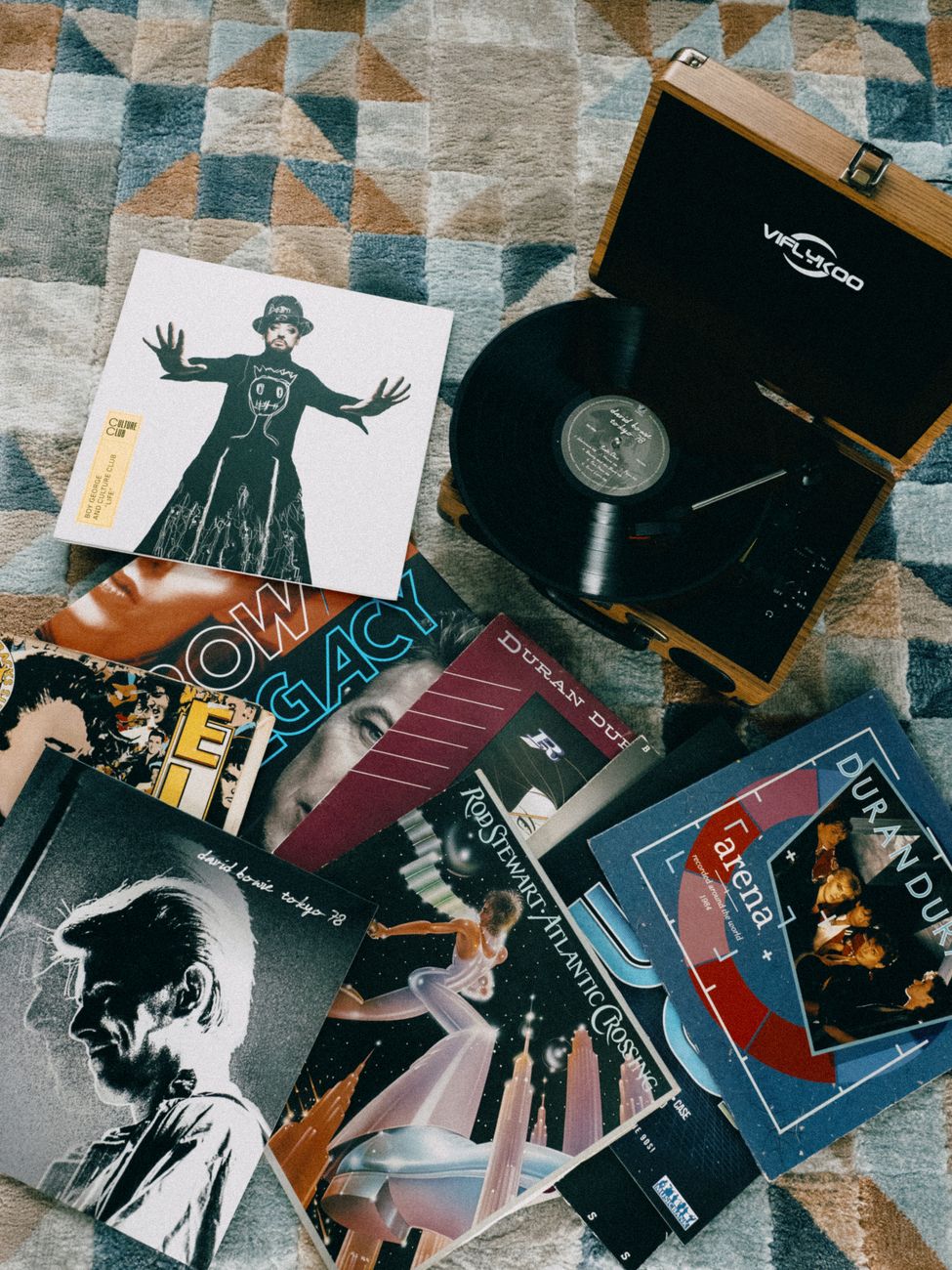
The resurgence of vinyl records is more than a trend; it represents a fundamental shift in how listeners interact with recorded sound. Unlike the convenience of streaming, vinyl demands presence. It requires the physical act of cleaning a disc, placing a needle, and flipping a side. This ritualistic approach to music consumption fosters a deeper connection to the source material, particularly when exploring albums that were mastered specifically for the warmth and dynamic range of analog playback.
Table of Contents
The Cultural Significance of the Analog Format
Vinyl records serve as historical artifacts. They capture the specific sonic signatures of recording studios from the mid-20th century, preserving the raw imperfections and organic textures that modern digital compression often smooths over. When selecting essential records, the focus shifts to albums that utilize the format’s unique limitations and strengths to create a cohesive listening experience.
High-fidelity playback relies on several factors, including the quality of the pressing, the condition of the vinyl, and the mastering process. Albums produced during the height of the LP era, roughly between 1960 and 1980, often provide the most rewarding experiences because the engineering teams were specifically focused on optimizing audio for the physical grooves of a 12-inch disc.
Defining the Essential Listening List
A foundational collection should span various genres, reflecting the evolution of production techniques and artistic vision. The following albums represent milestones in composition, arrangement, and audio engineering.
The Foundations of Rock and Soul
- The Beatles – Abbey Road: This album remains a benchmark for studio production. The seamless transition between tracks on the second side demonstrates the potential of the vinyl format as a continuous narrative rather than a collection of disparate singles.
- Fleetwood Mac – Rumours: Often cited for its pristine production, this record offers a masterclass in balance. The separation of instruments and the clarity of vocal harmonies translate exceptionally well to high-quality analog playback.
- Marvin Gaye – What’s Going On: A landmark in soul music, this record utilizes layered arrangements that benefit significantly from the depth provided by a proper turntable setup.
Jazz and Instrumental Mastery
- Miles Davis – Kind of Blue: This is arguably the most influential jazz record ever pressed. The modal improvisation and the subtle nuances of the trumpet work are preserved with remarkable clarity on vinyl, making it a mandatory addition for any serious listener.
- John Coltrane – A Love Supreme: The spiritual intensity of this performance requires the dynamic range that only a well-mastered LP can provide. The recording captures the raw energy of the quartet in a way that feels immediate and present.
The Sonic Landscapes of the 70s
- Pink Floyd – The Dark Side of the Moon: This album is frequently used to test audio equipment due to its intricate soundscapes and wide frequency response. The spatial effects and tape loops are integral to the composition, and they gain a unique physical dimension when played through analog speakers.
- David Bowie – The Rise and Fall of Ziggy Stardust and the Spiders from Mars: This record defines the glam rock era. The grit and texture of the guitar work are hallmarks of the period’s recording techniques, providing a distinct sonic profile that digital formats often fail to replicate accurately.
Comparison of Listening Formats
| Feature | Vinyl Records | Digital Streaming |
|---|---|---|
| Audio Source | Analog (Continuous) | Digital (Sampled) |
| Engagement | High (Physical interaction) | Low (Passive listening) |
| Durability | Sensitive to dust/scratches | Impervious to physical wear |
| Tactile Value | High (Artwork and liner notes) | Minimal (Digital files) |
| Dynamic Range | Variable (Dependent on pressing) | Consistent (Compressed) |
Technical Considerations for Optimal Playback
To appreciate these classic records fully, the playback environment must be calibrated. The turntable, cartridge, and phono pre-amplifier work in tandem to extract the information embedded in the vinyl grooves.
- Tracking Force: Ensure the tonearm is balanced according to the manufacturer’s specifications. Incorrect tracking force can lead to groove damage and distorted sound.
- Surface Maintenance: Dust and debris are the primary enemies of vinyl. Using a carbon fiber brush before each play removes static and surface dust, significantly reducing pops and clicks.
- Storage: Records should always be stored vertically. Storing them horizontally, especially in stacks, leads to warping over time, which compromises the ability of the needle to track the grooves accurately.
Expanding the Collection: Beyond the Classics
Once the foundation is built, the pursuit shifts toward exploring specific pressings. The term “audiophile pressing” refers to reissues created from original master tapes with minimal signal processing. These versions often provide a level of transparency that surpasses standard commercial releases.
When searching for additions, consider the following:
- Label Origin: Different countries often had different mastering standards. Some collectors prefer original UK pressings of British bands due to the specific equalization applied during the cutting process.
- Matrix Numbers: These codes etched into the “dead wax” (the run-out groove area) indicate the specific lacquer used to press the record. Early pressings from the first master lacquers are generally the most sought after.
- Condition Grading: Understanding the standard grading system (Mint, Near Mint, Very Good Plus) is essential for sourcing high-quality vintage copies.
Frequently Asked Questions
Why do some records sound better than others?
Sound quality is determined by the quality of the master tape, the expertise of the mastering engineer, and the physical quality of the vinyl compound used during the pressing process.
Is it necessary to buy expensive equipment to enjoy vinyl?
While high-end audio equipment provides greater detail, a well-maintained entry-level turntable can still provide an enjoyable experience. The most important factor is a clean, correctly aligned stylus.
How do I identify a high-quality pressing?
Look for information regarding the source material. Pressings that note “remastered from original analog tapes” generally offer a more authentic representation of the artist’s intent than those sourced from digital files.
Does the weight of the vinyl matter?
180-gram vinyl is often marketed as a premium product. While the weight itself does not guarantee better sound, the manufacturing process used for heavier discs often involves higher quality control, resulting in a quieter, more durable record.
Concluding Thoughts on the Analog Experience
The value of classic vinyl records lies in their ability to bridge the gap between the past and the present. These albums are not merely historical documents; they are living components of a musical tradition that continues to influence contemporary sound. By curating a collection focused on quality and historical significance, listeners gain insight into the evolution of studio techniques and the artistic choices that defined entire generations of music.
Building a library of essential vinyl is a gradual process. It involves a commitment to research, careful handling, and an appreciation for the nuances of analog audio. As technology continues to advance, the physical record remains a reliable, tangible anchor, providing a consistent and rewarding way to engage with the most important music ever recorded. Whether seeking out a first pressing of a jazz masterpiece or a high-fidelity reissue of a rock classic, the focus remains on the music and the enduring power of the analog format.
Frequently Asked Questions (FAQ)
Q: Why do vinyl records sound different than digital files?
A: Vinyl records provide an analog signal that captures continuous sound waves, creating a warm, rich tone. Digital files are compressed snapshots of sound waves, which can sometimes lose subtle nuances.
Q: What are the mental benefits of listening to lo-fi music?
A: Lo-fi music utilizes low-frequency beats, repetitive structures, and environmental sounds (like rain or vinyl crackle) that help lower anxiety, improve cognitive focus, and induce a state of relaxation.
Q: How should I store and maintain classic vinyl records?
A: Store vinyl records vertically in protective sleeves, keep them away from direct sunlight or extreme temperatures to prevent warping, and clean them gently with a carbon fiber brush.

