

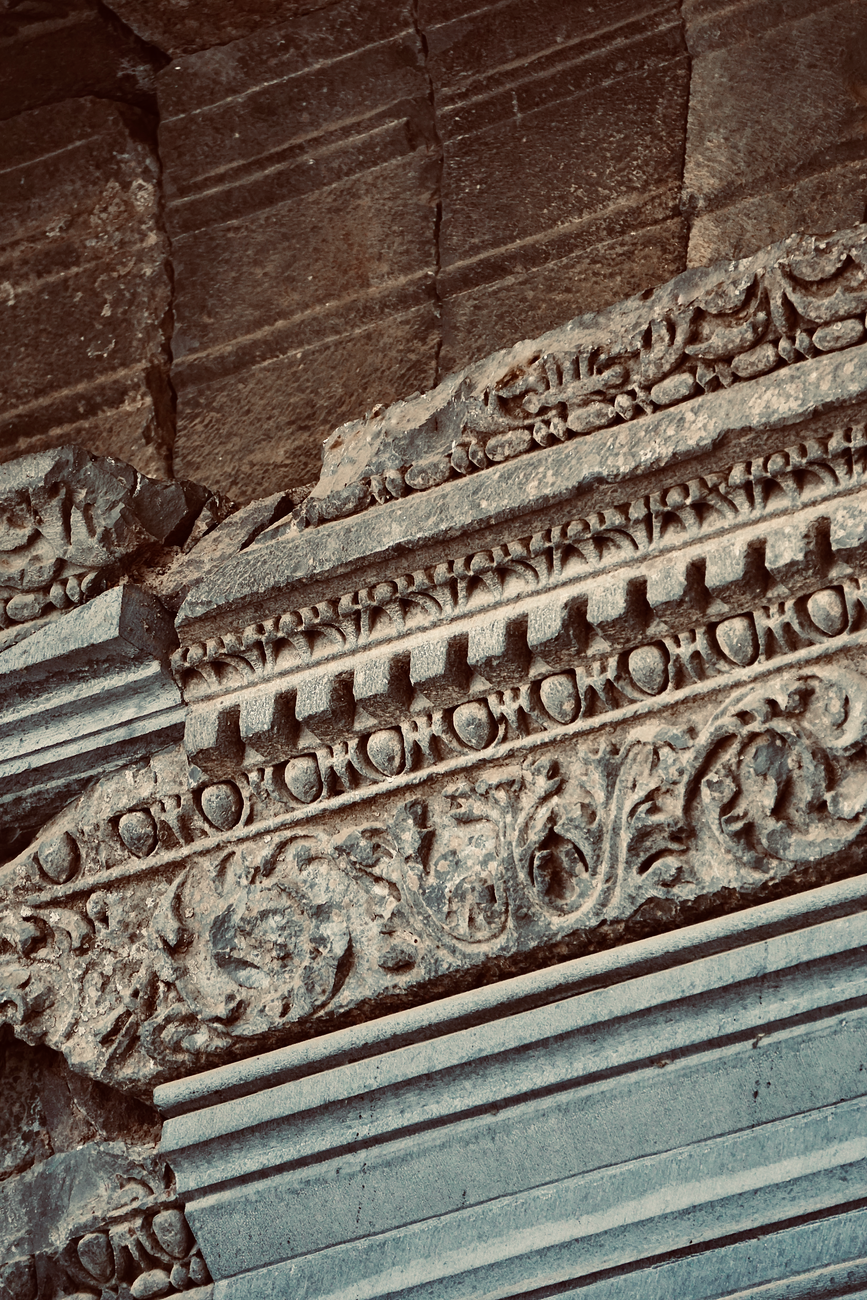
Historic landmarks serve as the physical anchors of human civilization. They are not merely collections of stone, mortar, or wood, but are functional archives that hold the collective memory of societies, triumphs, and architectural ingenuity. When standing before a structure that has survived centuries, the observer is witnessing a bridge between the present and the foundational eras of human development. The preservation of these sites is a rigorous process that balances the necessity of modern tourism with the ethical obligation to maintain structural integrity for future generations.
Table of Contents
- The Architectural Mechanics of Longevity
- Global Custodianship of Cultural Heritage
- Comparative Analysis of Preservation Approaches
- The Role of Technology in Modern Preservation
- Challenges in Maintaining Historic Sites
- The Significance of Contextual Integrity
- Frequently Asked Questions
- Reflections on the Future of Heritage
The Architectural Mechanics of Longevity
The survival of ancient landmarks often depends on the intersection of material science and environmental adaptation. Many of the most enduring structures were built using techniques that modern engineers still study to understand how they resisted the entropy of time. For instance, the use of volcanic ash in Roman concrete created a chemical reaction that allowed structures to strengthen over time, rather than degrade. This phenomenon of internal reinforcement is why structures like the Pantheon remain standing while modern buildings often require significant intervention after only a few decades.
- Material Resilience: The choice of local stone, such as granite or limestone, dictated the longevity of early structures.
- Structural Redundancy: Ancient builders often over-engineered foundations to account for seismic activity and soil settlement.
- Environmental Harmony: Designs often accounted for local weather patterns, ensuring that rainwater runoff and thermal expansion did not compromise the frame.
Global Custodianship of Cultural Heritage
Preservation is a global endeavor that requires international cooperation. Organizations focused on cultural heritage management work to ensure that landmarks are protected from urban encroachment, pollution, and the impacts of climate change. The process involves meticulous documentation, where every stone is mapped and analyzed. When a landmark is categorized as a protected site, it undergoes a transformation from a simple building into a managed asset of human history.
Strategic Preservation Methods
The maintenance of these sites follows a specific hierarchy of intervention. The primary goal is always to stabilize rather than restore, as excessive restoration can lead to the loss of original historical data.
- Preventative Maintenance: Regular cleaning and monitoring of environmental conditions to stop decay before it starts.
- Conservation: Applying chemical or physical stabilizers to original materials to prevent further erosion.
- Restoration: Returning a landmark to a known earlier state, usually reserved for sites with significant missing components.
- Reconstruction: Building back lost sections based on archeological evidence, often used as a last resort to provide context to a site.
Comparative Analysis of Preservation Approaches
The following table illustrates the different strategies employed for various types of landmarks to ensure their survival.
| Landmark Type | Primary Threat | Preservation Strategy | Goal |
|---|---|---|---|
| Stone Monuments | Acid Rain/Erosion | Chemical Sealing | Prevent surface loss |
| Wooden Temples | Humidity/Pests | Climate Control | Structural stability |
| Earthwork Sites | Soil Erosion | Vegetation Management | Prevent collapse |
| Ruins/Excavations | Human Footfall | Walkway Construction | Reduce physical impact |
The Role of Technology in Modern Preservation
Technology has revolutionized the way history is preserved. Where preservationists once relied on manual sketches and physical measurements, they now utilize advanced scanning and imaging tools. Laser scanning, for instance, allows for the creation of high-fidelity digital replicas of landmarks. This ensures that even if a catastrophic event were to destroy the physical structure, the geometric data remains available for reconstruction or detailed research.
Furthermore, remote sensing and satellite imagery allow for the monitoring of remote sites that are difficult to reach. This data provides insights into how the surrounding landscape is changing and whether a site is at risk from shifting geography or unauthorized activity. By integrating these digital tools with physical onsite management, the longevity of these landmarks is significantly increased.
Challenges in Maintaining Historic Sites
While technology and funding are vital, the challenges facing historic landmarks are multifaceted. Rapid urbanization often places pressure on the land surrounding these sites, leading to vibrations from traffic or pollution that can damage delicate surfaces. Additionally, the increasing frequency of extreme weather events poses a direct threat to structures that were built for the climate of a previous millennium.
Balancing public access with preservation is perhaps the most difficult aspect of managing these sites. Landmarks are meant to be experienced, yet the very act of visitation introduces moisture, heat, and physical wear. Effective management strategies involve timed entry, restricted access to fragile areas, and the use of protective barriers that do not alter the visual character of the landmark.
The Significance of Contextual Integrity
Preserving a landmark involves more than just the building itself; it includes the context in which it exists. A temple standing in the middle of a modern city loses a portion of its historical narrative if the surrounding environment is completely disconnected from its original purpose. Custodians strive to maintain a “buffer zone” around significant sites, ensuring that the historical view and the spatial relationship between the landmark and the landscape remain intact. This holistic approach ensures that future generations can understand the landmark not as an isolated object, but as a part of a larger, functioning system of the past.
Frequently Asked Questions
How are historic landmarks selected for protection?
Selection is typically based on historical significance, architectural uniqueness, and the degree to which the site represents a specific era or cultural movement. Experts evaluate the authenticity of the materials and the design.
Can a landmark be fully restored to its original state?
True restoration is rare because it is often impossible to replicate the exact conditions, materials, and techniques of the original builders. Modern practice favors conservation and stabilization over complete reconstruction.
How does climate change impact historic structures?
Changes in temperature and precipitation patterns lead to faster degradation of materials. Increased humidity can cause mold or salt crystallization in stone, while rising sea levels threaten coastal heritage sites.
What is the difference between a monument and a landmark?
A monument is usually a structure built to commemorate a person or event, while a landmark is a recognizable feature of a landscape that serves as an identifier or a point of historical importance.
Are private citizens involved in preservation?
Yes, private support through donations, volunteer work, and advocacy plays a crucial role in funding the intensive labor required for site maintenance.
Reflections on the Future of Heritage
The preservation of historic landmarks is a continuous process that requires vigilance and adaptability. As society evolves, the methods used to protect these sites must also change, incorporating new scientific findings and innovative management techniques. The objective remains constant: to ensure that the physical record of human achievement survives to inform and inspire. By investing in the preservation of these structures, society secures a tangible connection to the past, providing a foundation upon which the future can be built. The study and maintenance of these sites represent a commitment to the idea that history is not a static list of dates, but a living dialogue expressed through architecture. As we look forward, the focus will likely shift toward sustainable preservation, ensuring that these landmarks continue to exist without requiring excessive energy or resources, thus maintaining their integrity as both historical artifacts and symbols of human endurance.
Frequently Asked Questions (FAQ)
Q: What is the psychological definition of nostalgia?
A: Nostalgia is a sentimental longing or wistful affection for the past, typically associated with personal memories, childhood experiences, or meaningful relationships.
Q: What is “Anemoia” and why do people feel it?
A: Anemoia is a unique psychological phenomenon defined as nostalgia for a time or place you have never personally lived. It is triggered by vintage media, historical stories, photos, and music.
Q: How does looking at vintage aesthetics affect mental health?
A: Interacting with vintage aesthetics can reduce current stress levels by providing a sense of stability, safety, and psychological comfort, linking the individual to a perceived simpler era.


1 Comment
Pingback: Echoes of the Past: Exploring Forgotten Historical Places with Amazing Stories – Anemoia