

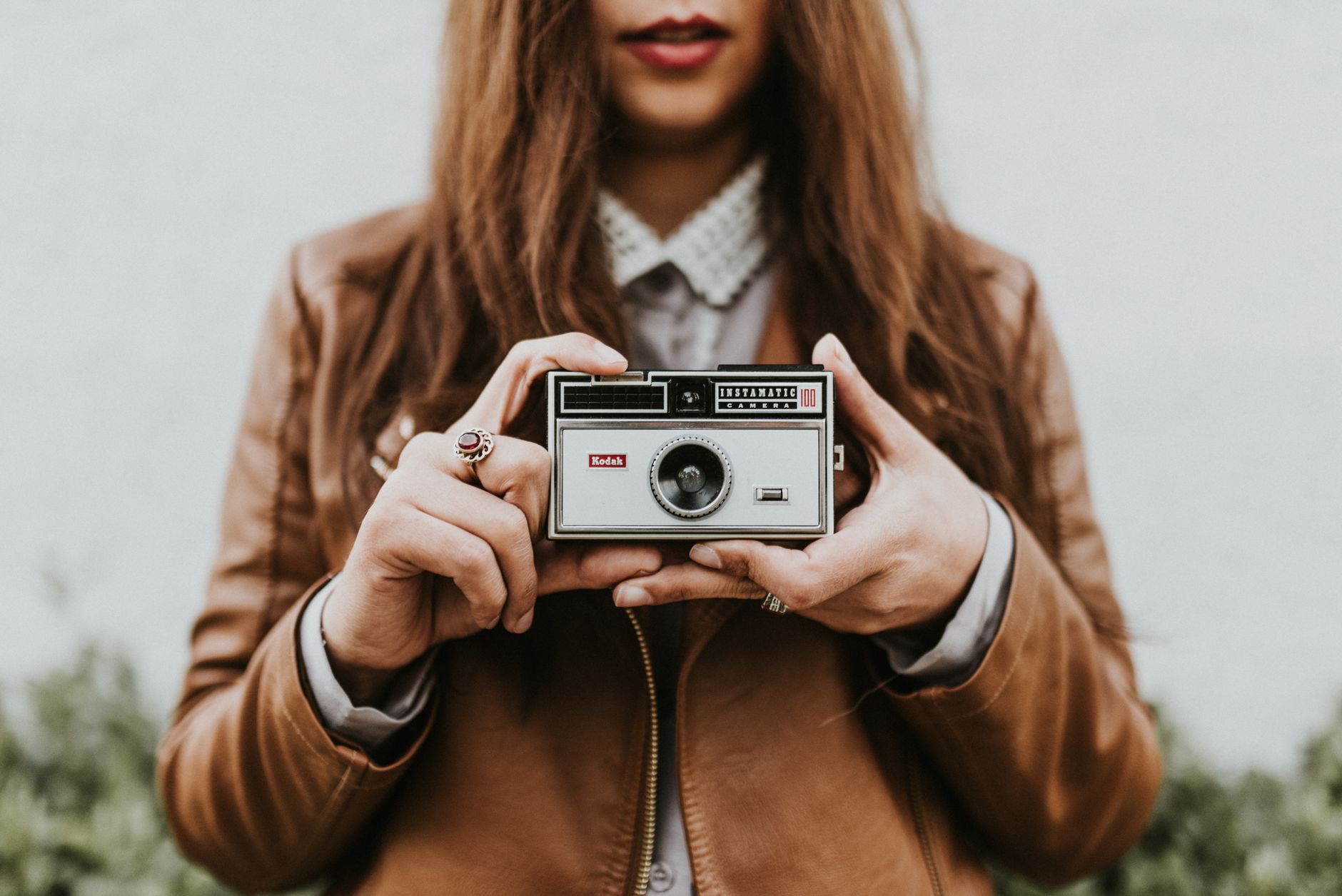
The mid-century period, generally spanning from the 1940s through the 1960s, represents a transformative era in visual arts. Photography during this time moved away from rigid, formal portraiture toward a more spontaneous, documentary-driven approach. This style is characterized by high-contrast black and white imagery, a focus on candid human interaction, and the emergence of color film as a tool for artistic expression. For those interested in replicating this aesthetic, understanding the technical and philosophical underpinnings of the era is essential.
Table of Contents
Defining the Mid-Century Visual Language
At its core, mid-century photography prioritizes storytelling through composition and lighting. Unlike contemporary digital photography, which often relies on post-production manipulation, the mid-century look was achieved primarily through camera settings, film choice, and an acute awareness of available light. The aesthetic relies on grain, texture, and a sense of immediacy.
The Role of Natural Light and High Contrast
Mid-century photographers frequently worked in environments where lighting was not controlled. This led to a reliance on natural light sources, such as window light or street lamps. When shooting in black and white, the goal was often to maximize the tonal range. Deep blacks and bright whites created a sense of drama that defined the era. This high-contrast approach emphasizes the shapes and silhouettes of subjects, stripping away unnecessary detail to focus on the core subject matter.
Candid Composition and The Decisive Moment
The concept of the “decisive moment” became the gold standard during this period. It refers to the split-second when all elements of a scene—the subject’s expression, the movement, and the background—align perfectly. Achieving this required photographers to remain patient, observing their surroundings rather than directing them. This objective approach to documentation provides a raw, authentic feeling to the images that remains highly sought after today.
Key Technical Elements for Beginners
To emulate this style, one must pay attention to how hardware influences the final output. While modern cameras are capable of capturing immense detail, the mid-century look is often found in the deliberate limitations of the equipment used at the time.
- Film Grain: The physical texture of silver halide crystals in film added a layer of organic noise to images. Modern digital sensors are often too clean; adding a subtle grain texture in post-processing can help replicate the tactile feel of mid-century prints.
- Prime Lenses: Many iconic images from this era were shot on 35mm or 50mm prime lenses. These lenses force the photographer to physically move to frame the shot, leading to more intentional compositions.
- Depth of Field: A common technique was to use a moderate aperture, such as f/8 or f/11, ensuring that both the subject and the immediate environment were in focus. This provided context to the image, telling a broader story than a shallow depth-of-field portrait would.
Comparison of Photographic Eras
| Feature | Mid-Century Photography | Modern Digital Photography |
|---|---|---|
| Primary Medium | Analog Film (B&W/Color) | Digital Sensor |
| Lighting Style | Natural, High Contrast | Often Controlled, Balanced |
| Subject Focus | Candid, Documentary | Often Curated, Polished |
| Editing Process | Darkroom Chemicals | Software Manipulation |
| Pacing | Patient, Observational | Rapid, High Volume |
Mastering Mid-Century Color Palettes
While black and white is synonymous with the era, the mid-century period also saw the rise of color photography. Early color films, such as Kodachrome, were famous for their specific color rendition—often characterized by vibrant, saturated reds, deep blues, and warm skin tones.
When attempting to replicate this look, color grading should be subtle. Over-saturation can easily ruin the effect. Instead, focus on shifting the color balance toward warmer mid-tones and slightly desaturating the highlights. The aim is to create a look that feels aged and established, rather than digital and sharp.
Practical Tips for Objective Documentation
- Observe without Intervention: Spend time in public spaces watching how people move and interact. Wait for the moment when a gesture or a pattern of light creates a compelling narrative.
- Simplify the Frame: Mid-century images often rely on a clean background. If a scene is too cluttered, change the camera angle to isolate the subject against a wall, the sky, or a shadow.
- Embrace Imperfection: Do not aim for clinical sharpness. A slight blur from motion or a bit of grain can actually enhance the authenticity of an image, making it feel like a fragment of history.
- Focus on Geometry: Look for leading lines, shadows, and architectural shapes. Many photographers of this era were heavily influenced by modern art and graphic design, using the camera to turn everyday life into a structured composition.
Frequently Asked Questions
What camera settings work best for a mid-century look?
Using a fixed focal length lens and a moderate aperture (f/5.6 to f/11) is a great starting point. If shooting digitally, slightly underexposing the image can help preserve shadow detail, which is crucial for high-contrast styles.
How do I achieve the specific color tones of old film?
Focus on the “warmth” of the image. Mid-century color film often had a slight yellow or orange cast in the shadows. Adjusting the white balance toward the warmer side of the spectrum is a standard technique.
Is it necessary to shoot in black and white?
No, but it is an excellent way to learn the fundamentals of light and shadow. Black and white removes the distraction of color, forcing the photographer to focus entirely on composition and contrast.
Why was 35mm film so significant?
35mm film allowed cameras to become smaller and more portable. This enabled photographers to move freely among crowds, capturing candid life in a way that was impossible with larger, tripod-mounted cameras.
Can I replicate this style with a smartphone?
Yes. By using manual camera apps to control exposure and applying subtle grain filters, smartphone users can mimic the aesthetic. The key is in the composition and lighting choices rather than the hardware itself.
Conclusion
The mid-century photography style remains a foundational influence in the visual arts because it values human observation above technical perfection. By focusing on the decisive moment, utilizing natural light, and embracing the textures of the medium, photographers can create images that feel timeless. Developing this skill set requires a shift in perspective—moving from the role of an editor who creates a scene, to the role of a witness who documents it. As you practice these techniques, keep the focus on the narrative potential of the frame. Whether through the stark contrast of monochromatic street scenes or the warm, saturated hues of early color film, the mid-century approach provides a framework for capturing the world with depth and intent. Start by simplifying your gear, observing the play of light in your immediate environment, and prioritizing the story over the technical polish of the final image. This disciplined approach will naturally lead to more compelling and evocative photography.
Frequently Asked Questions (FAQ)
Q: What is film grain and why is it valued?
A: Film grain is the texture created by light-sensitive silver halide crystals on photographic film. Many photographers value it for its organic, tactile aesthetic that adds depth and nostalgia to images.
Q: Can I replicate a vintage film look with a modern digital camera?
A: Yes, you can replicate the film look by shooting in RAW, adding digital grain, adjusting color channels to match vintage emulsions (like warm yellows or faded blues), and using vintage lenses with adapters.
Q: What are the best film cameras for beginners?
A: Fully manual SLR cameras like the Canon AE-1, Pentax K1000, or Nikon FM10 are highly recommended for beginners because they teach the fundamentals of aperture, shutter speed, and manual focus.


1 Comment
Pingback: Mid-Century Modern Architecture: The Design Philosophy that Shaped the Post-War World – Anemoia