

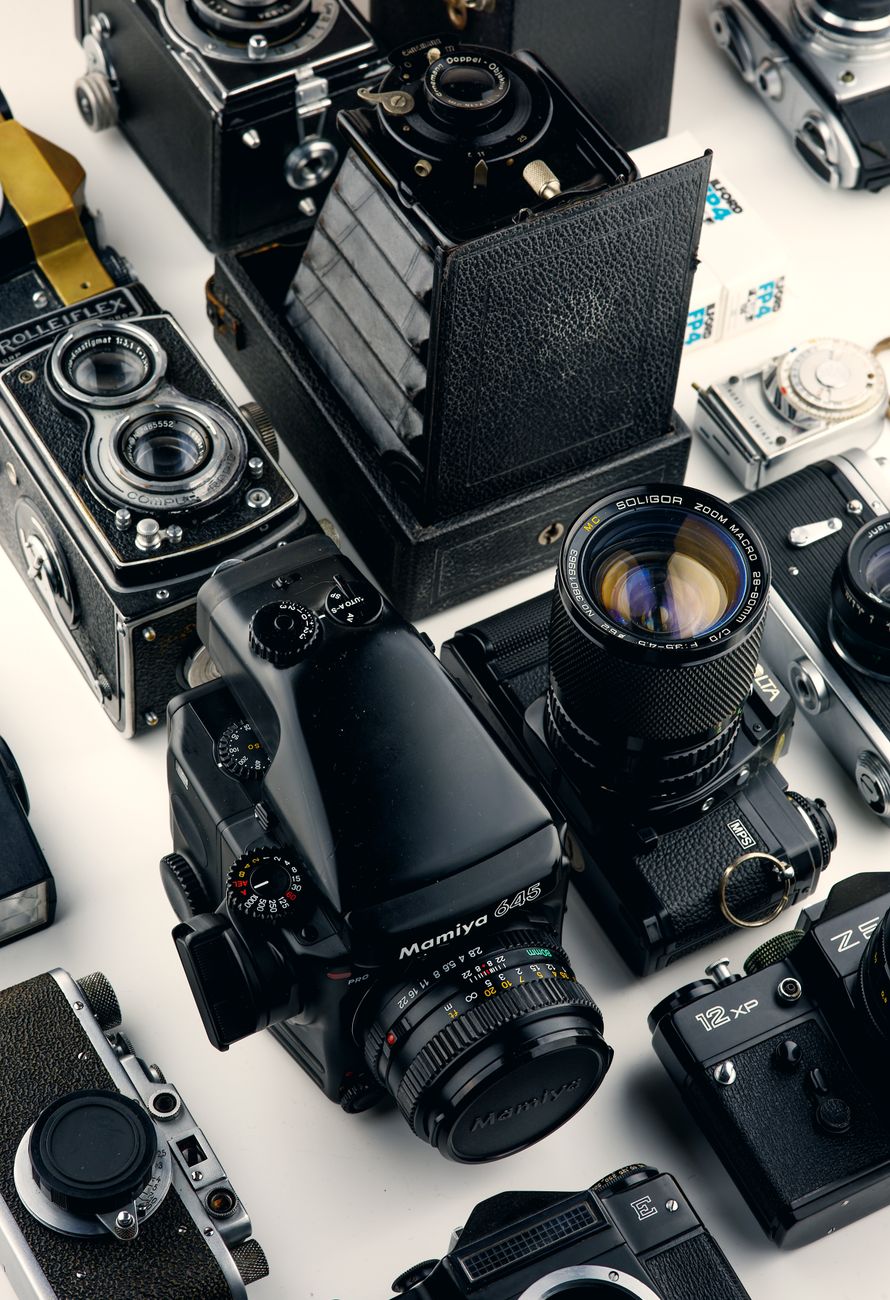
The pursuit of vintage aesthetics in a digital era is a common ambition for photographers seeking to move beyond the clinical perfection of modern sensors. While contemporary cameras are engineered for maximum sharpness, high dynamic range, and color accuracy, these very traits often conflict with the soft, unpredictable charm of film. Achieving a classic look requires a deliberate shift in both shooting technique and post-processing philosophy.
Table of Contents
Understanding the Characteristics of Vintage Film
To replicate vintage photography, one must first identify the visual markers that define the medium. Film photography is characterized by grain, subtle color shifts, halation, and a specific rendering of highlights. Modern digital sensors are designed to minimize noise, but vintage looks often rely on the deliberate introduction of texture.
- Grain Structure: Unlike digital noise, which can appear muddy, film grain is organic and adds a sense of depth to shadows.
- Color Science: Vintage film stocks often exhibit specific color casts, such as the greens in Fujifilm or the warm, earthy tones associated with Kodak Portra.
- Dynamic Range: Modern cameras capture immense detail in both shadows and highlights. Vintage film often compresses these values, resulting in softer transitions and less “perfect” contrast.
- Lens Softness: Modern lenses are optimized for edge-to-edge sharpness. Older lenses, or the use of diffusion filters, can mimic the optical imperfections found in vintage glass.
Choosing the Right Gear and Settings
While software is essential, the process begins in-camera. Utilizing the right settings helps bridge the gap between digital precision and analog soul.
Shooting for the Look
Shooting in RAW format is non-negotiable for those intending to manipulate the final image. RAW files contain the maximum amount of data, allowing for the precise color grading required to shift modern tones toward a vintage palette. Additionally, underexposing slightly can help maintain the “moody” atmosphere typical of older film stocks, as modern sensors are highly capable of recovering shadow detail.
Using Manual Lenses
Adapting vintage lenses to modern mirrorless camera bodies is one of the most effective ways to achieve a retro aesthetic. Lenses from the 1960s and 1970s often feature unique coatings that produce distinct lens flares and lower contrast when shooting into the light. These imperfections are difficult to replicate with high-end modern glass.
Comparison of Digital vs. Vintage Aesthetic Approaches
| Feature | Modern Digital Style | Vintage Film Style |
|---|---|---|
| Sharpness | Extremely high, pixel-perfect | Softer, organic, focus fall-off |
| Color | Accurate, neutral, broad range | Shifted, specific palettes, warm/cool bias |
| Texture | Clean, noise-free | Grainy, textured, tactile |
| Contrast | High, deep blacks | Compressed, lifted shadows |
| Highlights | Retained detail | Soft roll-off, slight bloom |
Post-Processing Techniques for a Retro Aesthetic
The digital darkroom is where the transformation from modern to vintage truly occurs. The goal is to remove the “digital edge” through subtle adjustments.
Color Grading and Tone Curves
The tone curve is the primary tool for shifting the mood of an image. By lifting the black point—pulling the bottom-left corner of the curve upward—the deep, pure blacks of a digital file become a faded, matte gray. This technique is synonymous with the “vintage” look, as it mimics the degradation of older printing papers. Adjusting the individual color channels (Red, Green, and Blue) allows for the introduction of split toning, where highlights are warmed and shadows are cooled, or vice versa.
Adding Authentic Grain and Bloom
Digital grain should be added sparingly. Over-applying grain creates a synthetic, distracting pattern. The most effective method involves using tools that simulate the random distribution of silver halide crystals found in film. Furthermore, digital “halation” or bloom—often seen around bright light sources—can be simulated by applying a subtle glow effect to the highlights, softening the transition between bright and dark areas.
The Role of Optical Diffusion
Beyond software, physical filters placed over the lens are gaining popularity for their ability to soften modern imagery at the point of capture. Diffusion filters, such as pro-mist or black satin filters, scatter light as it enters the lens. This reduces the harsh contrast of modern sensors and creates a dreamlike, ethereal quality that feels inherently nostalgic.
- 1/8 Strength: A subtle touch that keeps images sharp but removes the “brittleness” of digital files.
- 1/4 Strength: Noticeable bloom on highlights, ideal for backlit portraits or urban night photography.
- 1/2 Strength and Above: Creates a heavy, vintage-inspired glow, often used for artistic or experimental projects.
Common Challenges and Solutions
Transitioning to this style involves overcoming the instinct to aim for technical perfection. Here are common hurdles photographers face when attempting to move away from modern, sharp aesthetics.
Over-processing
A common mistake is applying too many effects. A vintage look should feel natural, not forced. If the image looks like it has been heavily filtered, the subtlety is lost. It is often better to apply three small, moderate adjustments than one massive, aggressive filter.
Losing Detail
While vintage film has compressed dynamic range, modern digital files retain too much. The trick is to selectively reduce contrast in the mid-tones rather than crushing the entire image. Focus on the highlights and shadows individually to ensure the image remains readable while still feeling “aged.”
Frequently Asked Questions
Can any digital camera achieve a vintage look?
Yes. Since the vintage aesthetic is largely about light manipulation, color grading, and texture, any camera capable of shooting in RAW format provides the necessary foundation.
Is it better to use presets or manual editing?
Presets are useful as a starting point, but manual editing provides greater control. Understanding how to use the tone curve and HSL (Hue, Saturation, Luminance) sliders is essential for developing a unique, consistent vintage style.
Does sensor size affect the vintage look?
Full-frame sensors generally provide a shallower depth of field, which can make it easier to isolate subjects and create the soft, dreamy backgrounds often found in vintage portraiture. However, APS-C and Micro Four Thirds sensors are equally capable of achieving these aesthetic goals.
Why do modern lenses look “too sharp”?
Modern lens manufacturing uses advanced glass elements and coatings to eliminate aberrations. These aberrations, such as chromatic aberration or spherical softness, are part of what gives vintage photos their unique character.
How do I make my colors look like film?
Research the color science of specific film stocks. For instance, film stocks like Kodak Gold are known for their warm, saturated yellows and reds, while others may emphasize cool, teal shadows. Applying these color shifts in post-production is key to achieving an authentic look.
Final Reflections
Creating vintage photography with modern equipment is a process of subtraction rather than addition. It involves stripping away the clinical clarity that modern technology provides and replacing it with the textures, color shifts, and optical nuances of a bygone era. By utilizing manual lenses, physical diffusion filters, and deliberate post-processing techniques like matte-tone curves, photographers can craft images that possess the timeless quality of film while retaining the convenience and reliability of digital capture. The journey toward this aesthetic is one of experimentation, where the goal is to balance the technical capability of the present with the visual soul of the past.
Frequently Asked Questions (FAQ)
Q: What is the difference between vintage and retro design?
A: “Vintage” generally refers to authentic items that are at least 20 to 100 years old, representing the era they were made. “Retro” refers to modern designs that imitate styles of the past.
Q: Why is mid-century modern design still popular today?
A: Mid-century modern design remains highly popular due to its emphasis on clean lines, organic curves, structural functionality, and timeless integration of indoor and outdoor living spaces.
Q: How can I integrate vintage collectibles into a modern home?
A: You can integrate vintage items by using them as accent statement pieces, blending them with neutral modern palettes, or repurposing old items (like retro radios) as functional decor.


1 Comment
Pingback: Mastering the Art of Cyanotype: A Guide to Sun Printing and Vintage Aesthetics – Anemoia