

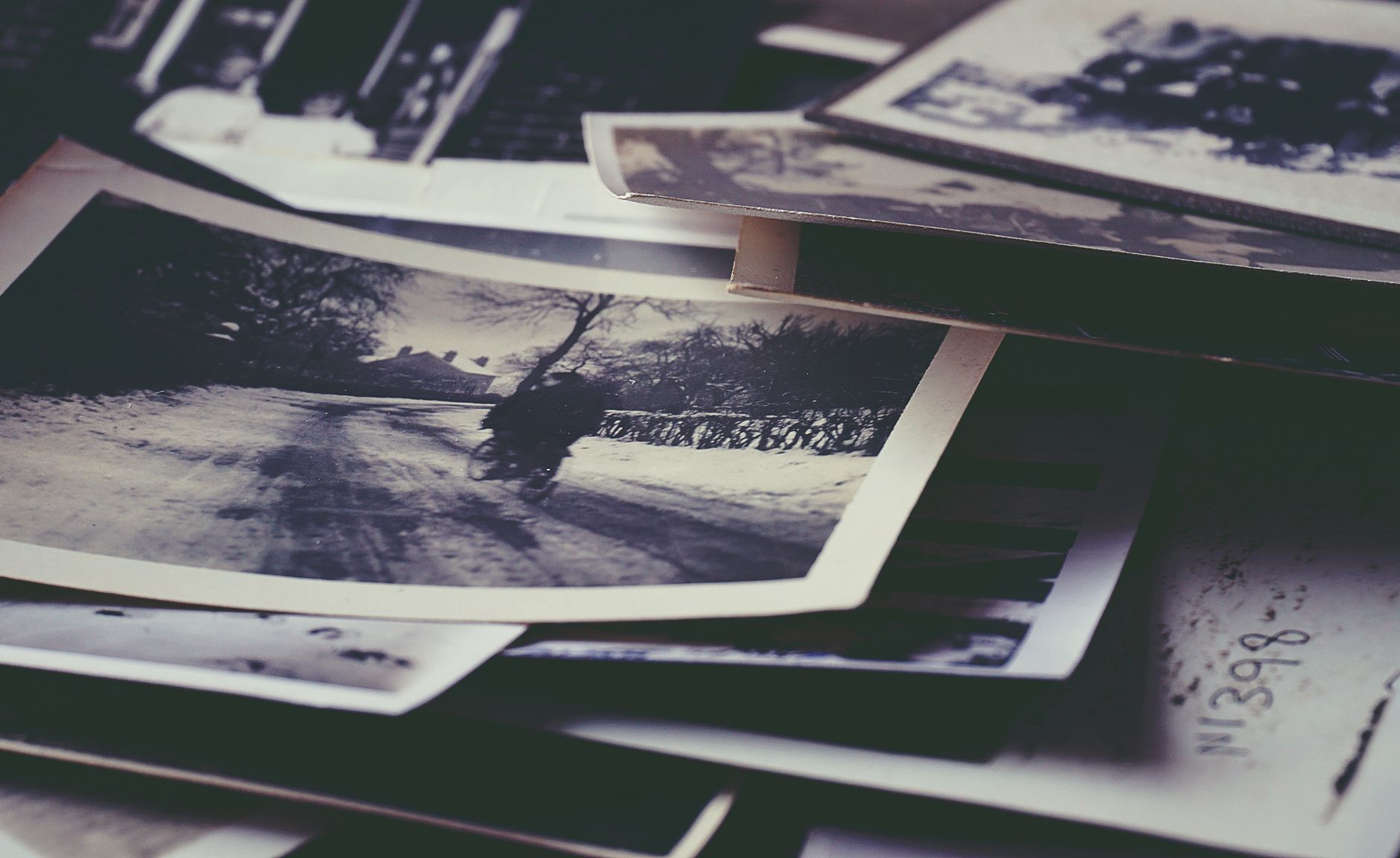
The essence of nostalgic photography lies in the ability to evoke a specific emotional response through visual cues that signal the passage of time. Rather than simply capturing a subject, these techniques aim to reconstruct the atmosphere of a bygone era. By manipulating light, texture, and color palettes, photographers can transform mundane contemporary scenes into timeless narratives that feel both familiar and distant.
Table of Contents
- The Role of Analog Aesthetics in Modern Storytelling
- Utilizing Soft Focus and Diffusion for Ethereal Narratives
- Color Grading and the Psychology of Hue
- Comparative Analysis of Nostalgic Techniques
- The Art of Intentional Imperfection
- Lighting Patterns That Evoke Yesteryear
- Frequently Asked Questions
- Conclusion and Reflections
The Role of Analog Aesthetics in Modern Storytelling
The revival of film photography is not merely a trend; it is a search for physical authenticity in a digital world. When images possess the organic grain and chemical imperfections of traditional film, they invite the viewer to linger. These visual artifacts—light leaks, dust particles, and soft focus—act as narrative layers, suggesting that the image has survived a journey through time.
- Film Grain: Acts as a visual texture that softens digital sharpness, making the image feel tactile.
- Color Shifts: Subtle variations in hue, particularly toward warmer or desaturated tones, mimic the aging process of analog prints.
- Dynamic Range: The limited latitude of film forces a focus on composition and lighting, often resulting in higher contrast and deeper shadows that frame a story more intentionally.
Utilizing Soft Focus and Diffusion for Ethereal Narratives
Sharpness is often the primary goal in modern photography, yet nostalgic techniques frequently prioritize mood over clarity. Utilizing soft focus or diffusion filters allows the photographer to strip away distracting details, leaving behind only the core emotional components of the scene. This technique is particularly effective in portraiture and landscape photography, where the goal is to suggest a dream-like state or a faded memory.
By using vintage lenses or diffusion attachments, the light is scattered across the sensor, creating a glow around highlights. This effect mimics the soft, romanticized imagery found in mid-20th-century cinematography. It forces the viewer to focus on the overall feeling of the image rather than the specific resolution of the subject matter.
Color Grading and the Psychology of Hue
Color is perhaps the most powerful tool for establishing a nostalgic tone. The human brain associates specific color shifts with historical periods. For instance, the muted, desaturated tones of the 1970s speak to a different narrative than the vibrant, high-contrast aesthetics of the 1990s.
Strategic Color Manipulation
- Desaturation: Reducing overall color intensity creates a sense of detachment, often used to depict historical distance.
- Sepia and Monochrome: These tones strip away modern distractions, forcing the viewer to engage with the form, shadow, and subject matter without the bias of contemporary color palettes.
- Split Toning: Introducing warm tones into highlights and cool tones into shadows creates a subtle tension that mimics the aging of color photographic paper.
Comparative Analysis of Nostalgic Techniques
| Technique | Primary Visual Effect | Narrative Purpose |
|---|---|---|
| Film Grain | Organic texture | Conveys history and authenticity |
| Soft Diffusion | Ethereal glow | Creates dream-like or fading memories |
| Muted Palettes | Reduced vibrancy | Suggests passage of time and distance |
| Light Leaks | Overexposed streaks | Implies a raw, captured-in-the-moment feel |
| High Contrast | Deep shadows | Focuses on drama and emotional weight |
The Art of Intentional Imperfection
The perfection of digital photography can often feel sterile. Nostalgic photography thrives on the flaws that occur when equipment is pushed to its limits or when environmental factors interfere with the exposure. Intentional light leaks, for example, introduce bright, irregular patches of color that disrupt the image. In a narrative sense, these imperfections serve as a reminder of the human element—the photographer’s presence and the physical act of capturing light.
When applying these techniques, the focus must remain on the story. An imperfection should not exist for its own sake; it should serve the narrative. A light leak might suggest the warmth of a setting sun or the vulnerability of a captured moment, whereas a heavy grain might emphasize the grit of an urban environment.
Lighting Patterns That Evoke Yesteryear
Lighting is the foundation upon which nostalgia is built. Modern lighting often aims for flat, even illumination, but historical photography relied heavily on directional, dramatic light. Utilizing side lighting or “chiaroscuro” effects—where the contrast between light and dark is extreme—can lend a classic, painterly quality to an image.
This approach creates depth and mystery. By allowing parts of the frame to fall into deep shadow, the photographer forces the viewer to fill in the gaps with their imagination. This is a core component of storytelling; the more the image leaves to the imagination, the more personal the narrative becomes for the observer.
Frequently Asked Questions
What makes a photo look nostalgic rather than just old?
Nostalgia is an emotional construct. An “old” photo might simply be degraded, whereas a “nostalgic” photo is intentionally composed to evoke a sense of longing or connection to a specific time, regardless of when it was actually taken.
Can digital photography truly replicate analog nostalgia?
Yes, through careful post-processing and the use of specialized software, digital images can mimic the physical characteristics of film. However, the intent behind the composition remains the most critical factor in achieving a convincing look.
Why is grain considered a positive attribute in this context?
Grain provides a tactile quality that digital pixels lack. It breaks up the clinical sharpness of modern sensors and adds a layer of complexity that feels more organic and human.
How does composition affect the nostalgic feel?
Nostalgic photography often benefits from simpler, more centered compositions that echo the limitations and styles of early camera technology, avoiding the overly complex wide-angle perspectives common today.
Conclusion and Reflections
Mastering nostalgic photography is an exercise in balancing technical execution with emotional intent. By moving away from the pursuit of digital perfection and embracing the aesthetic qualities of historical imagery, photographers gain a broader vocabulary for storytelling. The goal is to create images that do not merely record a scene but transform it into a piece of visual history.
As technology continues to advance, the appreciation for these traditional aesthetics will likely persist. They offer a grounded perspective in an increasingly fast-paced visual landscape. To begin exploring these techniques, focus on one element at a time—perhaps starting with the deliberate use of light or the subtle application of texture. By consistently applying these methods with a clear narrative goal, the resulting images will carry a weight and resonance that speaks to the viewer on a deeper, more timeless level. The craft of nostalgic photography is not about recreating the past, but about using the visual language of the past to tell stories that remain relevant today.
Frequently Asked Questions (FAQ)
Q: What is film grain and why is it valued?
A: Film grain is the texture created by light-sensitive silver halide crystals on photographic film. Many photographers value it for its organic, tactile aesthetic that adds depth and nostalgia to images.
Q: Can I replicate a vintage film look with a modern digital camera?
A: Yes, you can replicate the film look by shooting in RAW, adding digital grain, adjusting color channels to match vintage emulsions (like warm yellows or faded blues), and using vintage lenses with adapters.
Q: What are the best film cameras for beginners?
A: Fully manual SLR cameras like the Canon AE-1, Pentax K1000, or Nikon FM10 are highly recommended for beginners because they teach the fundamentals of aperture, shutter speed, and manual focus.


2 Comments
Pingback: The Art of Nostalgia: How to Edit Photos with a Retro Vintage Look – Anemoia
Pingback: Mid Century Photography Style for Beginners: A Guide to Timeless Aesthetics – Anemoia