

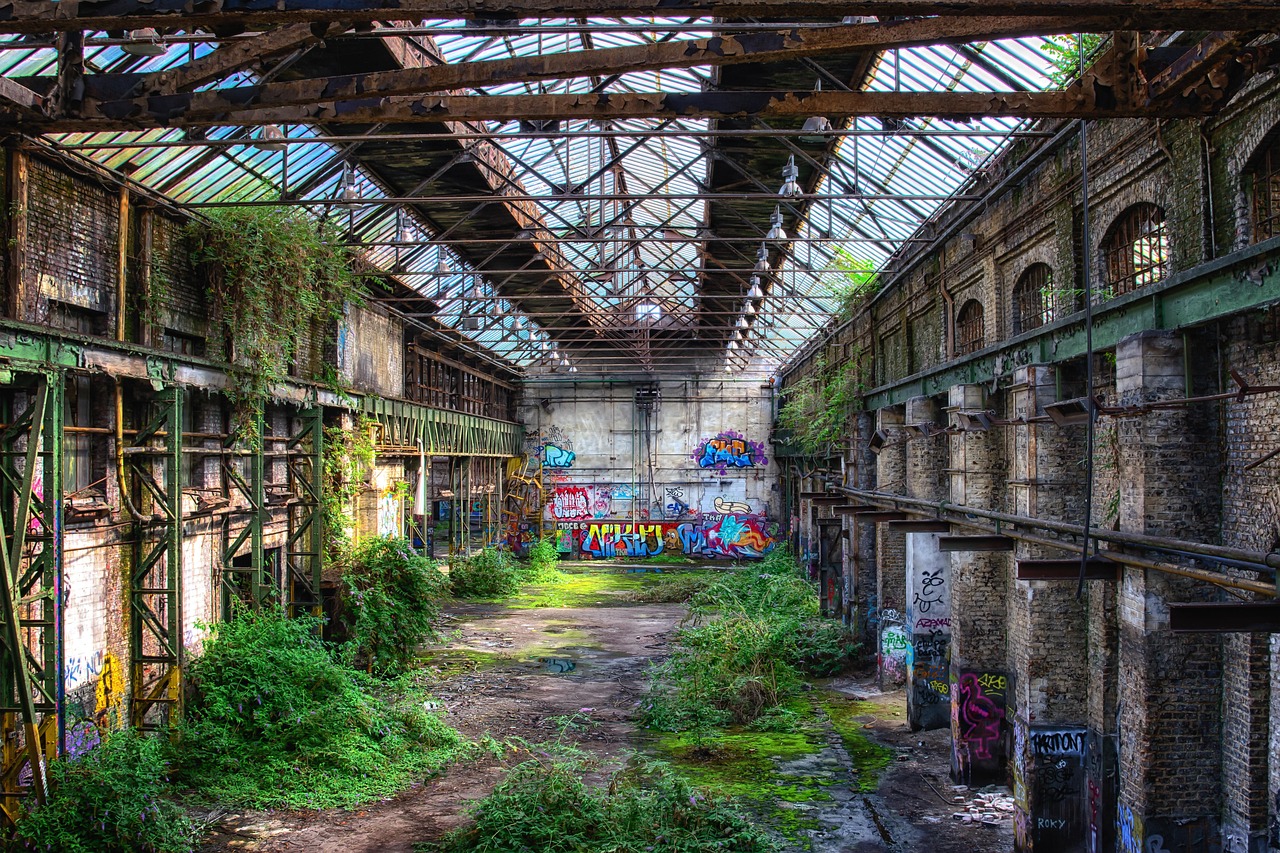
Understanding human history requires looking beyond grand monuments and royal palaces into the everyday environments where ordinary people lived, worked, and gathered. While textbooks often focus on political shifts and major military campaigns, the physical remnants of ancient settlements provide a clearer picture of daily routines, social structures, and domestic technologies. Archaeological sites, preserved ruins, and excavated domestic spaces act as physical archives, capturing the mundane yet revealing details of past civilizations. Examining these fascinating historical places that reveal how people lived in the past allows researchers and curious minds alike to reconstruct the realities of ancient existence without relying on romanticized interpretations.
The Domestic Architecture of Ancient Pompeii
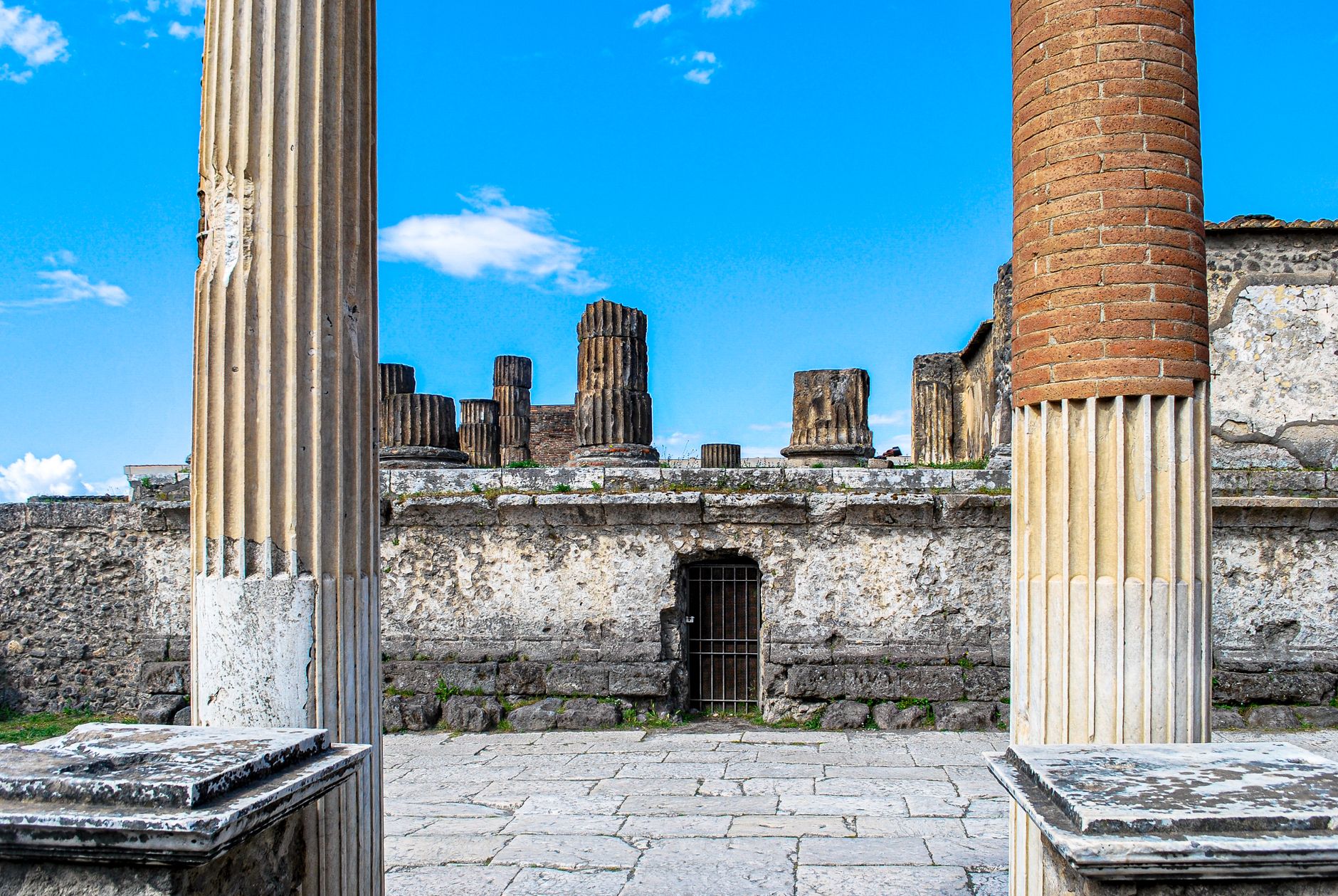
The eruption of Mount Vesuvius in 79 CE preserved an entire Roman urban center in astonishing detail, offering an unparalleled look into daily domestic life. Unlike other classical sites that deteriorated over centuries of continuous occupation, Pompeii was frozen at a specific moment in time. Excavations of residences such as the House of the Faun and the House of the Tragic Poet reveal sophisticated urban planning centered around the atrium, a central hall used for receiving guests and managing household affairs.
Beyond the grand villas of the elite, smaller houses and workshops line the ancient basalt streets, demonstrating how commerce and residence intertwined in the Roman world. Fast-food counters known as thermopolia, bakeries equipped with volcanic stone mills, and public laundries known as fullonica illustrate the commercial backbone of the city. Wall paintings, graffiti scratched into plaster, and discarded kitchen utensils provide direct evidence of literacy rates, dietary habits, and social interactions among middle- and lower-class residents. These physical spaces show that urban life in the first century involved complex local economies, shared neighborhood resources, and structured household management.
Skara Brae: Neolithic Domesticity in the Orkney Islands
Located on the mainland of Orkney in Scotland, Skara Brae represents one of Europe’s most complete Neolithic settlements, dating back to roughly 3180 BCE. Discovered after a severe storm stripped away sandy earth in 1850, this prehistoric village consists of eight stone-built houses connected by covered passageways. The preservation of these dwellings is due to the extensive use of flagstone furniture built directly into the walls, including stone beds, dressers, and storage boxes.
Analyzing the layout of Skara Brae reveals much about early agricultural communities and their adaptation to harsh northern climates. Each house featured a central hearth used for heating, cooking, and illumination, indicating that the fire served as the literal and social anchor of the household. Stone dressers positioned opposite the entrance likely displayed prized possessions, suggesting an early human desire for domestic decoration and personal expression. The absence of defensive structures implies a relatively peaceful community focused on animal husbandry, coastal foraging, and cereal cultivation. The site demonstrates how early populations organized enclosed spaces to maximize warmth and communal living long before the advent of urbanization.
Tenochtitlan and the Templo Mayor: Aztec Urban Engineering
The archaeological remains of Tenochtitlan beneath modern Mexico City highlight the sophisticated urban planning and environmental adaptation of the Aztec Empire. Founded on a swampy island in Lake Texcoco in 1325, the capital city required innovative engineering to support a dense population. The development of chinampas, artificial agricultural islands constructed by layering mud, lake sediment, and decaying vegetation, allowed for intensive food production that sustained urban growth.
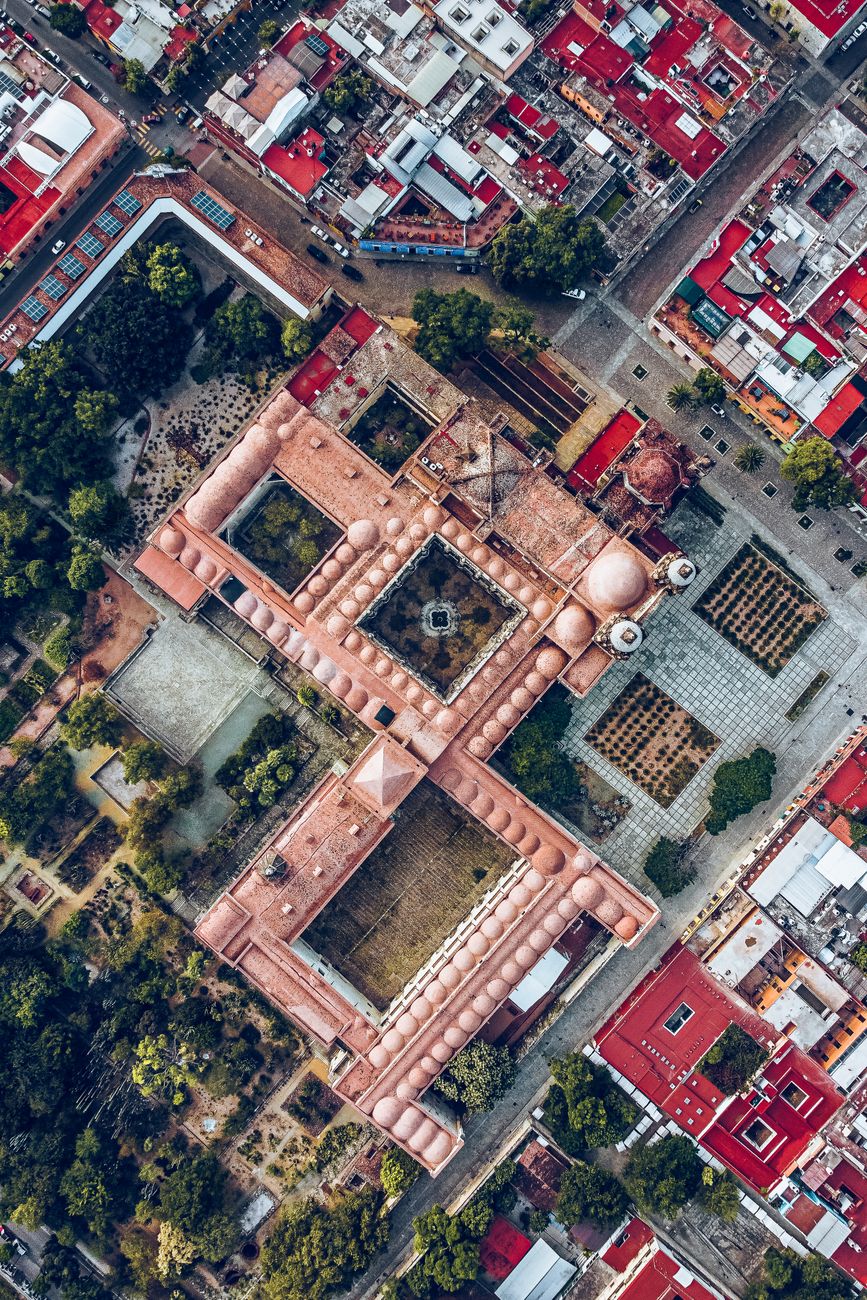
The Templo Mayor excavations reveal a sacred precinct that served as the ideological and administrative heart of the empire. Surrounding residential sectors, marketplace ruins like those at Tlatelolco, and canal networks demonstrate a society deeply integrated with its aquatic environment. Artifacts recovered from the site, including obsidian tools, imported luxury goods, and everyday pottery, map out trade routes spanning Mesoamerica. This urban landscape shows how an empire managed resource distribution, waste management, and agricultural output through centralized planning and specialized labor distribution.
The Underground City of Derinkuyu in Cappadocia
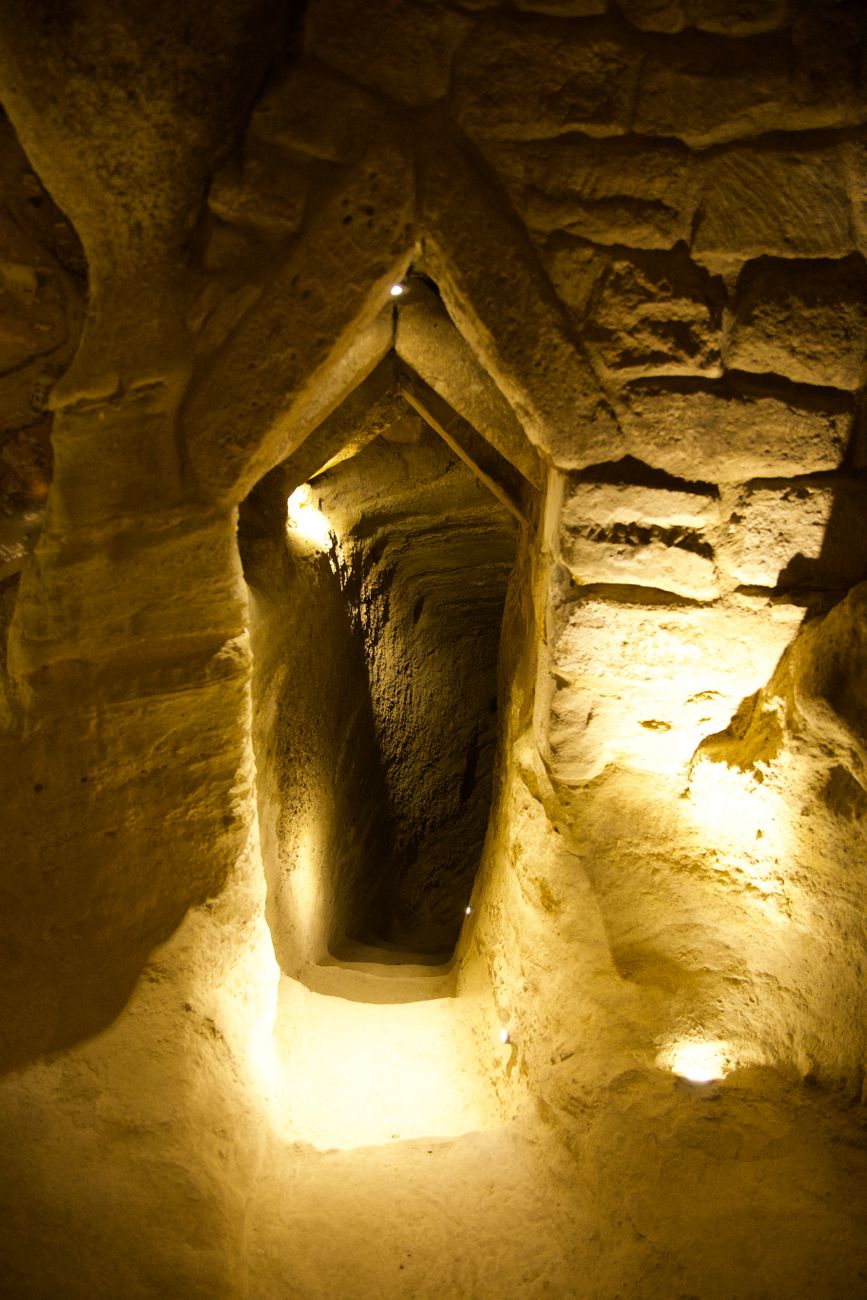
Carved deep into the volcanic tuff of the Cappadocia region in Turkey, the underground city of Derinkuyu descends multiple levels beneath the earth, capable of housing thousands of people alongside their livestock and food supplies. Constructed over centuries and expanded by various civilizations, this subterranean complex includes living quarters, communal kitchens, wine presses, stables, chapels, and deep water wells.
The architectural features of Derinkuyu prioritize survival, ventilation, and security. Massive rolling stone doors could be maneuvered from the inside to block access tunnels, while intricate ventilation shafts maintained breathable air across deep subterranean floors. The inclusion of specialized spaces for livestock on upper levels kept animals close to the surface while insulating human living quarters further down. This remarkable subterranean architecture reflects how communities adapted to regional instability, foreign invasions, and harsh climatic conditions by utilizing geological formations for long-term habitation.
Comparing Ancient Living Environments
| Historical Site | Era / Date | Primary Construction Material | Key Insight into Daily Life |
|---|---|---|---|
| Skara Brae | c. 3180 BCE – 2500 BCE | Flagstone and turf | Early domestic organization centered around stone furniture and central hearths. |
| Pompeii | c. 6th Century BCE – 79 CE | Tuff, brick, and volcanic stone | Integrated urban models combining residential housing, retail shops, and public workshops. |
| Tenochtitlan | c. 1325 CE – 1521 CE | Volcanic stone, mud, and wood | Advanced wetland engineering through chinampas and canal-based urban logistics. |
| Derinkuyu | c. 8th – 10th Century BCE (expansion later) | Soft volcanic rock (tuff) | Multi-level subterranean survival architecture incorporating ventilation and livestock management. |
Cahokia Mounds: Pre-Columbian Mississippian Society
Situated just across the Mississippi River from St. Louis, the Cahokia Mounds site preserves the remnants of the largest pre-Columbian settlement north of Mexico. Flourishing between the 9th and 15th centuries, this urban center featured monumental earthen pyramids, plazas, and extensive residential zones. Monks Mound, the largest prehistoric earthen structure in the Americas, served as the focal point of a hierarchical society led by elite rulers and supported by agricultural laborers.
Excavations at Cahokia reveal organized neighborhoods consisting of pole-and-thatch houses arranged around shared courtyards. The economy relied heavily on maize agriculture, complemented by hunting, fishing, and long-distance trade networks reaching across the continent. Standardized pottery styles, copper ornaments, and marine shell beads found at the site indicate specialized craft production and extensive exchange relationships. The spatial layout of Cahokia demonstrates how complex sociopolitical structures organized large populations and distributed resources prior to European contact.
Frequently Asked Questions
What can archaeological sites tell us that written records cannot?
Archaeological sites provide physical evidence of everyday existence for populations that did not leave written records, such as peasants, laborers, and enslaved people. While texts often reflect the perspectives of the ruling elite or literate minorities, material culture—including tools, food remains, and household layouts—reveals actual diets, labor practices, and domestic habits across all social strata.
How do researchers determine the age of ancient residential ruins?
Specialists use a combination of stratigraphy, which analyzes the chronological layering of soil and debris, and absolute dating techniques such as radiocarbon dating for organic materials. Dendrochronology, or tree-ring dating, is also used when preserved wooden beams are recovered from structural remains.
Why are underground cities like Derinkuyu so well-preserved?
Subterranean structures are protected from surface weathering, wind erosion, and direct sunlight, which accelerates the decay of organic and stone materials. Once abandoned and filled with shifting earth or debris, these underground spaces remained undisturbed until systematic excavation began.
What role do everyday artifacts play in understanding past societies?
Everyday artifacts, such as broken pottery, cooking vessels, and discarded bones, offer insights into domestic routines, nutritional intake, and manufacturing techniques. These items show how people adapted their technologies to local environments and how trade networks supplied raw materials to distant regions.
Conclusion
Investigating historical locations that capture daily existence shifts the perspective of history away from isolated dates and legendary figures toward collective human experience. The physical layout of a Neolithic stone house, the integrated design of a Roman workshop, the subterranean engineering of a volcanic refuge, and the monumental planning of an earthen city all demonstrate humanity’s capacity to adapt, organize, and thrive within diverse environments. These spaces remain enduring records of ingenuity and routine, allowing contemporary observers to understand the structural foundations of past societies. Recognizing the physical realities of past generations provides essential context for how modern societies construct living spaces, manage resources, and organize communities today.

