

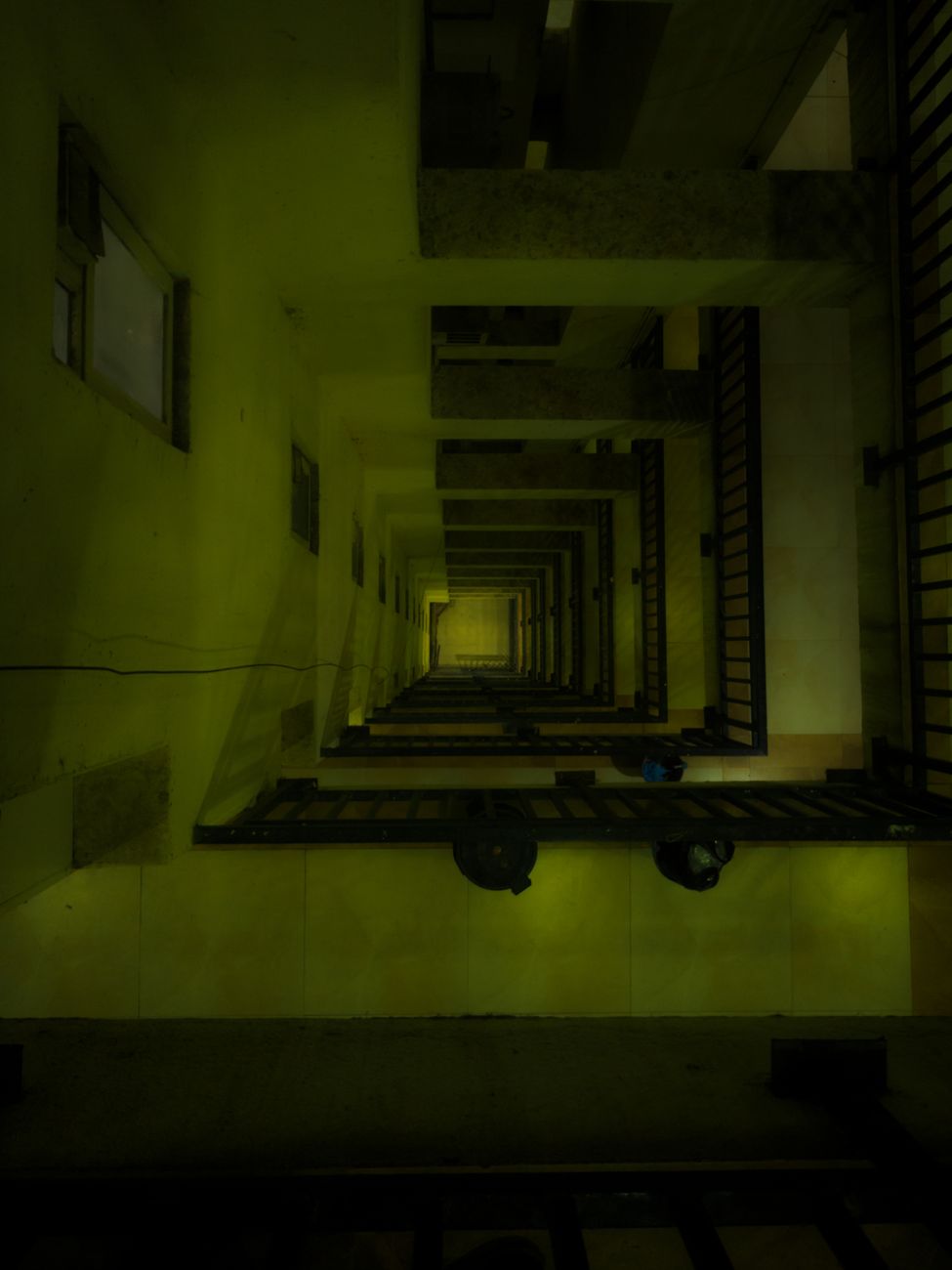
The sensation of missing a place one has never set foot in is a recognized, albeit complex, psychological experience. Often referred to by the term “anemoia,” this feeling involves a profound sense of wistfulness for a time or location that exists outside of one’s personal history. While traditional nostalgia is rooted in the retrieval of actual memories, this specific form of longing suggests that the human brain possesses a capacity to construct emotional attachments to environments through mediation, narrative, and aesthetic association.
Table of Contents
- The Psychological Mechanics of Imagined Nostalgia
- Cultural Transmission and Collective Memory
- Environmental Factors and Aesthetic Triggers
- The Role of Idealization in Human Cognition
- Evolutionary Perspectives on Seeking New Horizons
- Addressing the Phenomenon: Navigating the Longing
- Frequently Asked Questions
- Conclusion
The Psychological Mechanics of Imagined Nostalgia
At the core of this phenomenon lies the way the human brain processes information. When an individual consumes media—whether through literature, cinema, photography, or digital simulations—the brain does not merely store data; it simulates experiences. Neuroscientific research into mirror neurons and mental imagery indicates that the brain can simulate the sensory details of an environment with enough clarity to trigger emotional responses similar to those produced by lived experiences.
When a person repeatedly engages with a specific representation of a place—such as a bustling 19th-century European street or a quiet, sun-drenched coastal village—the consistent input allows for the formation of a “cognitive map.” Over time, this map becomes familiar. The brain, seeking patterns and comfort, begins to treat this familiar mental environment as a place of refuge. The longing arises when the reality of the present fails to provide the aesthetic or emotional stimulation that the imagined place promises.
Cultural Transmission and Collective Memory
Much of the nostalgia for unvisited places is filtered through the lens of collective memory. Society often romanticizes specific eras or geographic regions, stripping away the hardships of those times to focus on a curated aesthetic. This process is frequently driven by:
- Media Consumption: Movies and television series create high-fidelity environments that viewers inhabit for hours, fostering a sense of belonging within those fictionalized worlds.
- Literary Landscapes: Descriptive prose allows readers to project their own desires onto a setting, essentially co-authoring the environment’s emotional weight.
- Digital Escapism: Modern virtual environments and high-definition photography allow individuals to “visit” remote locations, creating a familiarity that mimics physical travel.
This form of nostalgia acts as a buffer against the perceived instability of modern life. By longing for a place that represents order, beauty, or simplicity, individuals are often expressing a desire for qualities they feel are absent in their current surroundings.
Environmental Factors and Aesthetic Triggers
Specific environmental cues are highly effective at triggering this sense of longing. Architectural styles, color palettes, and even the depiction of specific weather patterns can act as catalysts. For instance, the “Golden Hour” in cinematography—a period of soft, warm light—is frequently used to evoke a sense of peace and belonging. When these visual cues are paired with a narrative of comfort or adventure, the brain attaches a positive emotional valence to the location.
Comparison Table: Traditional Nostalgia vs. Anemoia
| Feature | Traditional Nostalgia | Anemoia (Imagined Nostalgia) |
|---|---|---|
| Origin | Personal lived experience | Mediated or constructed experience |
| Primary Driver | Memory retrieval | Aesthetic association and simulation |
| Emotional Goal | Reconnecting with the past | Seeking an idealized alternative |
| Reliability | Based on sensory reality | Based on interpreted narrative |
The Role of Idealization in Human Cognition
Human cognition is inherently forward-looking, but it is also deeply influenced by the tendency to idealize. When an individual feels a lack of fulfillment, the brain searches for an “elsewhere.” If that “elsewhere” is a place the person has never visited, there are no negative experiences or mundane realities to puncture the fantasy.
This lack of “friction” makes the imagined place an ideal vessel for projection. Because the person has never had to navigate the bureaucracy, climate, or social challenges of that location, the place remains a pure object of desire. It represents a potential version of the self that could exist if only one were located in that specific, idealized environment.
Evolutionary Perspectives on Seeking New Horizons
From an evolutionary standpoint, the drive to seek out new places is a survival mechanism. Humans are naturally curious and predisposed to explore environments that offer resources or safety. While the modern experience of longing for an unvisited place may seem detached from survival, it may be a vestigial trait of the human drive for migration and discovery.
The feeling of “missing” a place can be interpreted as a psychological manifestation of the innate human urge to explore. When physical exploration is limited by economic, geographic, or time constraints, the brain compensates by constructing these internal landscapes. It is a way for the mind to fulfill the evolutionary requirement for novelty and environmental assessment without the physical risk of travel.
Addressing the Phenomenon: Navigating the Longing
Understanding why this occurs can transform the feeling from a source of melancholy into a tool for self-reflection. When an individual experiences this longing, it can be viewed as an indicator of what they currently value or lack.
- Analyze the Aesthetic: Identify the specific elements—such as architecture, pace of life, or community structure—that make the place feel appealing.
- Assess Personal Needs: Determine if the longing is a reaction to high stress or a need for creative stimulation.
- Bridge the Gap: Incorporate elements of the imagined place into the current environment. This might involve changing home decor, adopting new routines, or seeking out local communities that mirror the values of the idealized location.
Frequently Asked Questions
Is it normal to feel sad about a place I have never been?
Yes, it is a documented psychological experience. It typically stems from the brain’s ability to form deep emotional attachments to narratives and environments presented through media and culture.
Why does this feeling happen more often with certain types of places?
Places that are portrayed as having a slower pace of life, historical charm, or significant natural beauty are more likely to trigger this response because they offer a stark contrast to the stressors of modern, urbanized living.
Does this mean I am dissatisfied with my life?
Not necessarily. It often indicates an active imagination and a high degree of aesthetic sensitivity. It can be a healthy way to identify personal preferences and values.
Can this feeling be productive?
It can be a powerful driver for creative work, travel planning, and personal growth. By analyzing what attracts someone to a specific place, they can gain insights into their own personality and aspirations.
Conclusion
The experience of feeling nostalgic for a place never visited is a testament to the complexity of human imagination. It demonstrates that our sense of home is not strictly tied to geography, but is instead constructed from the stories we consume, the images we admire, and the desires we harbor. By recognizing that this longing is a projection of internal values rather than a literal deficiency, individuals can use these moments to better understand their own priorities.
Instead of viewing this sensation as a form of displacement, it can be approached as a roadmap for personal development. The environments that capture our focus often hold the keys to the lifestyle, peace, or inspiration we seek in our daily lives. Whether through small adjustments to one’s surroundings or the pursuit of travel to these locations, the act of acknowledging this nostalgia serves as a bridge between the life one is living and the life one envisions. As we continue to navigate a world where digital and physical realities increasingly overlap, the ability to find meaning in these imagined landscapes remains a vital component of the human experience.
Frequently Asked Questions (FAQ)
Q: What is the psychological definition of nostalgia?
A: Nostalgia is a sentimental longing or wistful affection for the past, typically associated with personal memories, childhood experiences, or meaningful relationships.
Q: What is “Anemoia” and why do people feel it?
A: Anemoia is a unique psychological phenomenon defined as nostalgia for a time or place you have never personally lived. It is triggered by vintage media, historical stories, photos, and music.
Q: How does looking at vintage aesthetics affect mental health?
A: Interacting with vintage aesthetics can reduce current stress levels by providing a sense of stability, safety, and psychological comfort, linking the individual to a perceived simpler era.


2 Comments
Pingback: The Psychology of Nostalgia: Why Vintage Aesthetics Make People Feel Happy – Anemoia
Pingback: The Psychology of Looking Back: How Nostalgia Affects Mental Health and Well-Being – Anemoia