

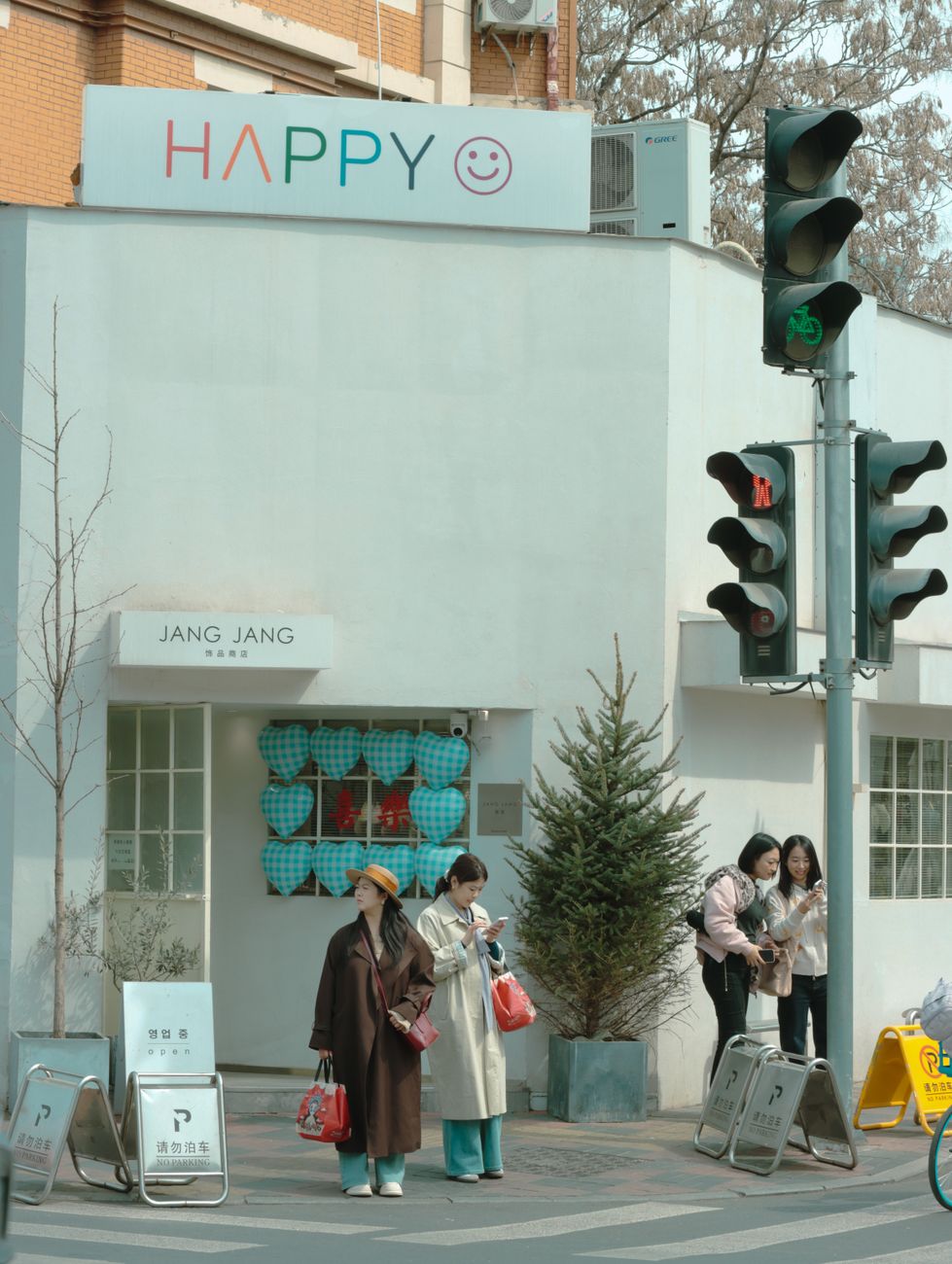
The attraction to vintage aesthetics—whether it is the mid-century modern furniture of the 1950s, the neon-soaked energy of the 1980s, or the analog charm of film photography—is a pervasive cultural phenomenon. This gravitation toward the past is not merely a trend in interior design or fashion; it is a psychological response to the complexities of the modern world. People often find that surrounding themselves with items or styles from previous eras provides a sense of stability, comfort, and emotional grounding.
Table of Contents
- The Psychological Anchors of Retro Design
- The Role of Sentimentality and Object Permanence
- Aesthetic Comfort and Visual Harmony
- The Influence of “Anemoia” on Modern Trends
- Practical Ways to Incorporate Vintage Elements
- Addressing Common Questions About Retro Trends
- Final Reflections on the Value of the Past
The Psychological Anchors of Retro Design
At the core of the vintage aesthetic appeal lies a psychological mechanism known as nostalgic comfort. When individuals engage with objects or styles that evoke a sense of the past, the brain often experiences a decrease in stress markers. This phenomenon occurs because the past is perceived as a fixed narrative. Unlike the unpredictable nature of the future, the past is already written, providing a sense of security that the human brain craves during periods of rapid societal change.
- Predictability: Vintage items offer a sense of order and familiarity in a world characterized by digital disruption.
- Sensory Engagement: The tactile nature of vintage materials—such as wood, velvet, and textured metals—stimulates the senses in ways that sleek, glass-based modern technology often fails to do.
- Narrative Identity: Adopting a specific vintage aesthetic allows individuals to align themselves with a perceived era of perceived simplicity or specific cultural values.
The Role of Sentimentality and Object Permanence
Objects possess a unique ability to act as vessels for memory and emotional connection. This is often referred to in behavioral science as the endowment effect, where people place a higher value on objects they associate with a specific time or identity. Vintage items, by virtue of having survived the passage of time, carry a weight of history that mass-produced, contemporary goods lack.
When a person chooses a rotary phone or a vintage film camera, they are not just selecting a tool; they are opting into a slower, more deliberate way of interacting with the world. This deliberate pace is a direct antidote to the “always-on” culture of the digital age. By slowing down to operate an analog device, the user creates a mental space that fosters mindfulness and reduces the anxiety associated with constant connectivity.
Aesthetic Comfort and Visual Harmony
Visual environments significantly impact mood and cognitive function. Vintage aesthetics often rely on warm color palettes, organic shapes, and ornate details that contrast sharply with the minimalist, high-contrast, and often “cold” look of modern utilitarian design.
Key Elements of Vintage Appeal
| Element | Modern Aesthetic | Vintage Aesthetic |
|---|---|---|
| Color Palette | Neutral, monochromatic | Rich, warm, saturated |
| Materials | Plastic, glass, steel | Wood, brass, natural textiles |
| Form | Rigid, geometric | Organic, rounded, ergonomic |
| Texture | Smooth, uniform | Tactile, varied, weathered |
The preference for these elements is rooted in evolutionary psychology. Humans tend to find organic shapes and warm lighting more inviting because they mimic environments that historically signaled safety and shelter.
The Influence of “Anemoia” on Modern Trends
Anemoia, a term used to describe a sense of nostalgia for a time one has never actually experienced, plays a significant role in the popularity of vintage styles among younger generations. This collective longing for a past era is often fueled by the curated representations of history found in film, television, and social media.
This phenomenon suggests that the happiness derived from vintage aesthetics is not strictly about personal recollection. Instead, it is about the idealization of certain cultural values—such as community, craftsmanship, and offline social interaction—that are perceived to have been more prominent in previous decades. By adopting these aesthetics, individuals attempt to import those perceived values into their own lives, creating a psychological sanctuary.
Practical Ways to Incorporate Vintage Elements
Integrating vintage aesthetics into a living or work space does not require a complete overhaul. Small, intentional additions can provide the psychological benefits associated with retro design without the need for large-scale renovation.
- Curated Decor: Focus on one or two statement pieces, such as a vintage lamp or a collection of analog books, rather than filling a space with clutter.
- Tactile Hobbies: Engage in activities like writing with a fountain pen, playing vinyl records, or using a manual typewriter to create a sensory bridge to the past.
- Color Integration: Use warm, muted tones like terracotta, mustard yellow, or sage green to soften the visual impact of modern technology.
Addressing Common Questions About Retro Trends
Why do vintage trends seem to cycle every twenty years?
Sociological patterns suggest that it takes approximately two decades for a culture to look back at its own history with a sense of fondness. This timeframe allows the “old” to become “new” again, as it hits the sweet spot between being outdated and becoming culturally iconic.
Is the happiness derived from vintage items temporary?
While the initial excitement of acquiring a new item might be temporary, the ongoing environmental impact of a curated, vintage-inspired space provides sustained psychological comfort by maintaining a consistent, soothing visual atmosphere.
Can vintage aesthetics improve focus?
Yes, by removing the “digital noise” associated with modern, high-tech environments, vintage-inspired spaces can help facilitate deep work and concentration, as there are fewer modern distractions integrated into the design.
Does the quality of vintage goods contribute to the positive feeling?
The perception of superior craftsmanship in vintage items is a major factor. The knowledge that an object was built to last for decades provides a sense of reliability that aligns with the desire for long-term stability.
Final Reflections on the Value of the Past
The enduring appeal of vintage aesthetics is a testament to the human need for balance. In an era defined by rapid technological advancement, the ability to anchor oneself in the physical, tangible, and historically rich past serves as a vital tool for emotional regulation. By choosing to surround oneself with objects and styles that evoke a sense of warmth, history, and deliberate living, it is possible to cultivate a more grounded and peaceful daily experience.
The happiness found in these aesthetics is not an escape from reality, but rather a strategic integration of elements that promote well-being. Whether through the warmth of an antique rug, the sound of a record player, or the soft glow of a classic light fixture, these choices provide a necessary counterweight to the pressures of modern life. As the world continues to move toward increased digitalization, the value of the vintage aesthetic will likely continue to grow, offering a timeless path to comfort and emotional stability.
Frequently Asked Questions (FAQ)
Q: What is the difference between vintage and retro design?
A: “Vintage” generally refers to authentic items that are at least 20 to 100 years old, representing the era they were made. “Retro” refers to modern designs that imitate styles of the past.
Q: Why is mid-century modern design still popular today?
A: Mid-century modern design remains highly popular due to its emphasis on clean lines, organic curves, structural functionality, and timeless integration of indoor and outdoor living spaces.
Q: How can I integrate vintage collectibles into a modern home?
A: You can integrate vintage items by using them as accent statement pieces, blending them with neutral modern palettes, or repurposing old items (like retro radios) as functional decor.

