

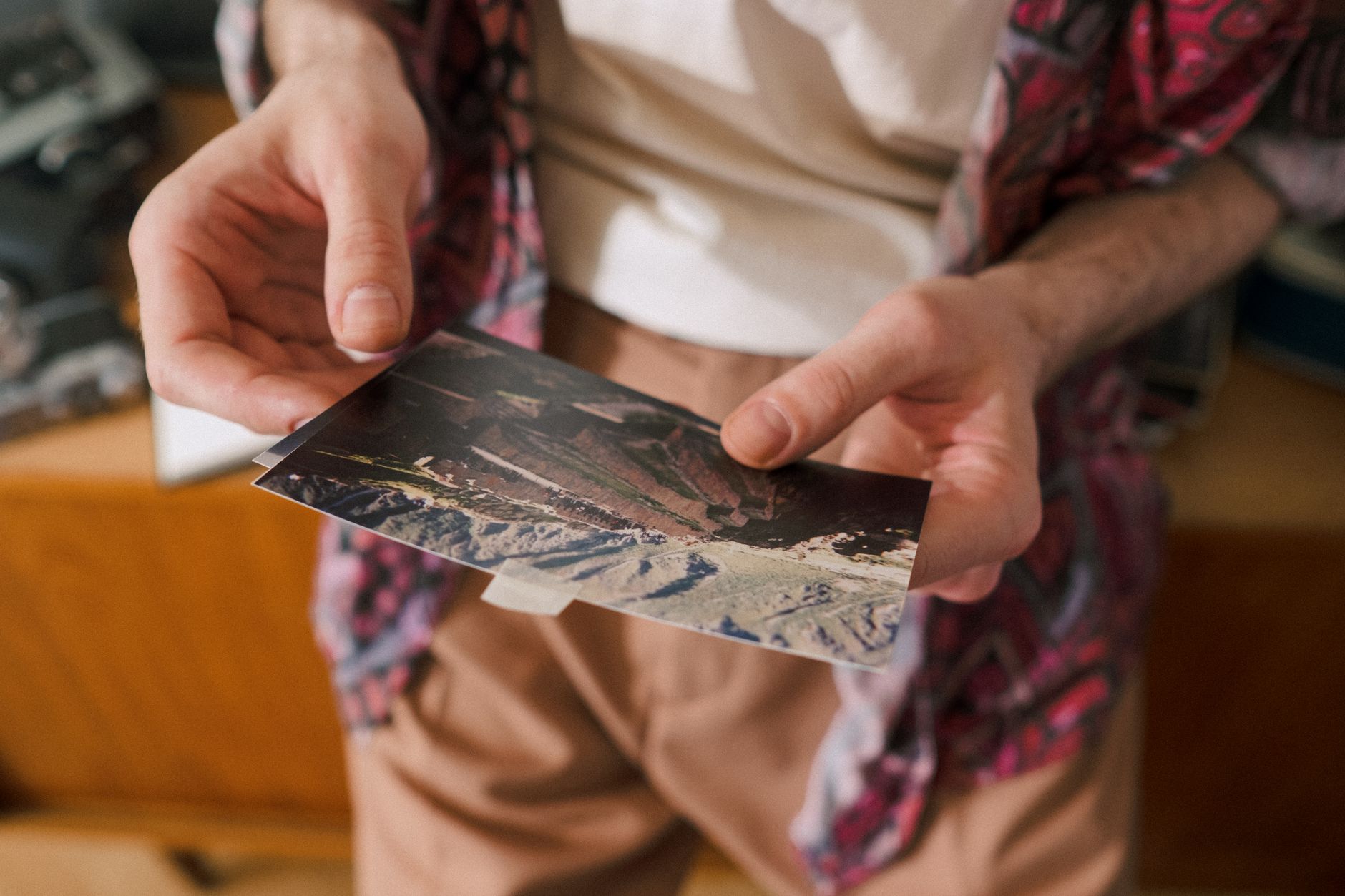
The human fascination with history extends far beyond the mere memorization of dates and treaties. It manifests as a profound emotional pull toward time periods that individuals never personally inhabited. This phenomenon, often termed anemoia, describes a sense of nostalgia for a time one has never known. While it might seem paradoxical to miss an era defined by different social norms, technologies, or economic structures, the psychological roots of this connection are deeply embedded in the search for stability, aesthetic resonance, and the romanticization of the human experience.
The Psychological Drivers of Historical Attachment
At the core of this emotional connection lies the human tendency to project idealized values onto the past. When modern life feels chaotic, fragmented, or overly dependent on digital interfaces, the mind often seeks refuge in periods characterized by perceived simplicity. This is not necessarily an endorsement of the hardships of the past, but rather a preference for the sensory and social rhythms that defined those times.
- Environmental Stability: Eras before the rapid acceleration of the digital age are often viewed as having a clearer connection between cause and effect.
- Aesthetic Continuity: The visual markers of a specific decade—such as mid-century architecture or the fashion of the roaring twenties—provide a sense of order and intentionality that feels absent in the fast-paced modern world.
- Social Cohesion: Historical eras are frequently remembered through the lens of community-centric living, which contrasts with the solitary nature of contemporary digital interactions.
The Role of Cultural Media in Shaping Perception
Popular culture acts as a primary architect for how forgotten eras are perceived and subsequently felt. Through film, literature, and music, specific decades are distilled into a collection of idealized symbols. When a period is consistently presented through high-quality media, the audience develops a parasocial relationship with that time. The brain processes these representations as coherent, vibrant worlds, making it easier to form an emotional bond with the aesthetic and the implied lifestyle of that era.
This influence is most visible in how fashion cycles or musical revivals take hold. When a generation adopts the visual language of the 1970s or the 1990s, they are not merely following a trend; they are attempting to inhabit the emotional resonance that those eras represent. The connection is mediated by a curated version of history that emphasizes the highlights while filtering out the systemic challenges of the period.
Comparative Analysis of Historical Eras and Their Emotional Appeal
Different eras evoke distinct emotional responses based on their cultural baggage and the narratives attached to them. The following table illustrates how various eras are frequently perceived and the psychological needs they fulfill for the modern observer.
| Era | Primary Aesthetic/Symbol | Psychological Need Met |
|---|---|---|
| Early 20th Century | Industrial Elegance | Desire for tactile, grounded work |
| Mid-Century (1950s) | Suburban Stability | Search for community and order |
| The 1970s | Bohemian Expression | Need for creative and personal freedom |
| The 1990s | Analog Connectivity | Craving for pre-digital privacy |
The Search for Authenticity in a Digital World
A significant factor driving this emotional attachment is the perceived lack of authenticity in current environments. The transition from physical media to digital clouds has created a sense of displacement. Forgotten eras are characterized by tangible objects—vinyl records, printed letters, and mechanical tools. These items possess a physical weight that anchors the individual to the present moment.
When people engage with these historical artifacts, they experience a grounding effect. The emotional connection to a forgotten era is often an emotional connection to the physical world. By prioritizing the material culture of a past decade, individuals reclaim a sense of agency over their immediate surroundings, moving away from the ephemeral nature of current digital trends.
The Impact of Collective Memory
Collective memory is the shared pool of knowledge and information in the memories of two or more members of a social group. Even for those born long after a specific era, collective memory serves as a bridge. Education, family storytelling, and archival footage contribute to a shared understanding of what an era felt like.
When a person feels a pull toward a forgotten era, they are often tapping into this collective memory. It provides a sense of belonging to a legacy that transcends their own lifespan. This connection provides a framework for identity; by aligning with the values or aesthetics of a past generation, individuals can define who they are in relation to the continuum of history.
Frequently Asked Questions
Why do some people feel nostalgic for eras they never lived in?
This is known as anemoia. It occurs because the brain identifies patterns of aesthetic or social harmony in historical representations and adopts them as a preferred internal environment to counteract modern stressors.
Is this emotional connection harmful to progress?
Not necessarily. While excessive dwelling in the past can lead to escapism, it often serves as a source of inspiration. Many modern innovations in design, art, and community organization are directly derived from studying the successes of past eras.
How does media influence our view of history?
Media serves as a filter. It emphasizes the romantic aspects of an era, such as its fashion, music, and social gatherings, while often minimizing the daily hardships. This creates a polished version of history that is easier to connect with emotionally.
Can this attachment be considered a form of identity?
Yes. Many individuals use the aesthetic and philosophical markers of specific eras to build a personal brand or identity, finding comfort in the values they perceive to have been more prevalent during those times.
Reflections on the Continuity of Human Experience
The emotional connection to forgotten eras is a reflection of the human desire for continuity. As the world changes at an increasingly rapid pace, the past becomes a repository of stability. It offers a set of rules, styles, and social structures that have already been tested and understood. By engaging with these eras, whether through historical research, fashion, or interior design, individuals are not rejecting the present, but rather enriching it with the wisdom and beauty of what came before.
Understanding this connection requires an acknowledgment that history is not a static list of events, but a living narrative that continues to evolve as each new generation interprets it. The appeal of a bygone era is rarely about the desire to return to the past in a literal sense; it is a movement toward integrating the strengths of previous generations into the current experience. This ongoing dialogue between the past and the present remains a cornerstone of cultural evolution and individual self-discovery.
Frequently Asked Questions (FAQ)
Q: What is the psychological definition of nostalgia?
A: Nostalgia is a sentimental longing or wistful affection for the past, typically associated with personal memories, childhood experiences, or meaningful relationships.
Q: What is “Anemoia” and why do people feel it?
A: Anemoia is a unique psychological phenomenon defined as nostalgia for a time or place you have never personally lived. It is triggered by vintage media, historical stories, photos, and music.
Q: How does looking at vintage aesthetics affect mental health?
A: Interacting with vintage aesthetics can reduce current stress levels by providing a sense of stability, safety, and psychological comfort, linking the individual to a perceived simpler era.


3 Comments
Pingback: The Architecture of Longing: Understanding Anemoia and the Mystery of Imagined Places – Anemoia
Pingback: The Psychology of Nostalgia: Why Vintage Aesthetics Make People Feel Happy – Anemoia
Pingback: The Psychology of Looking Back: How Nostalgia Affects Mental Health and Well-Being – Anemoia