

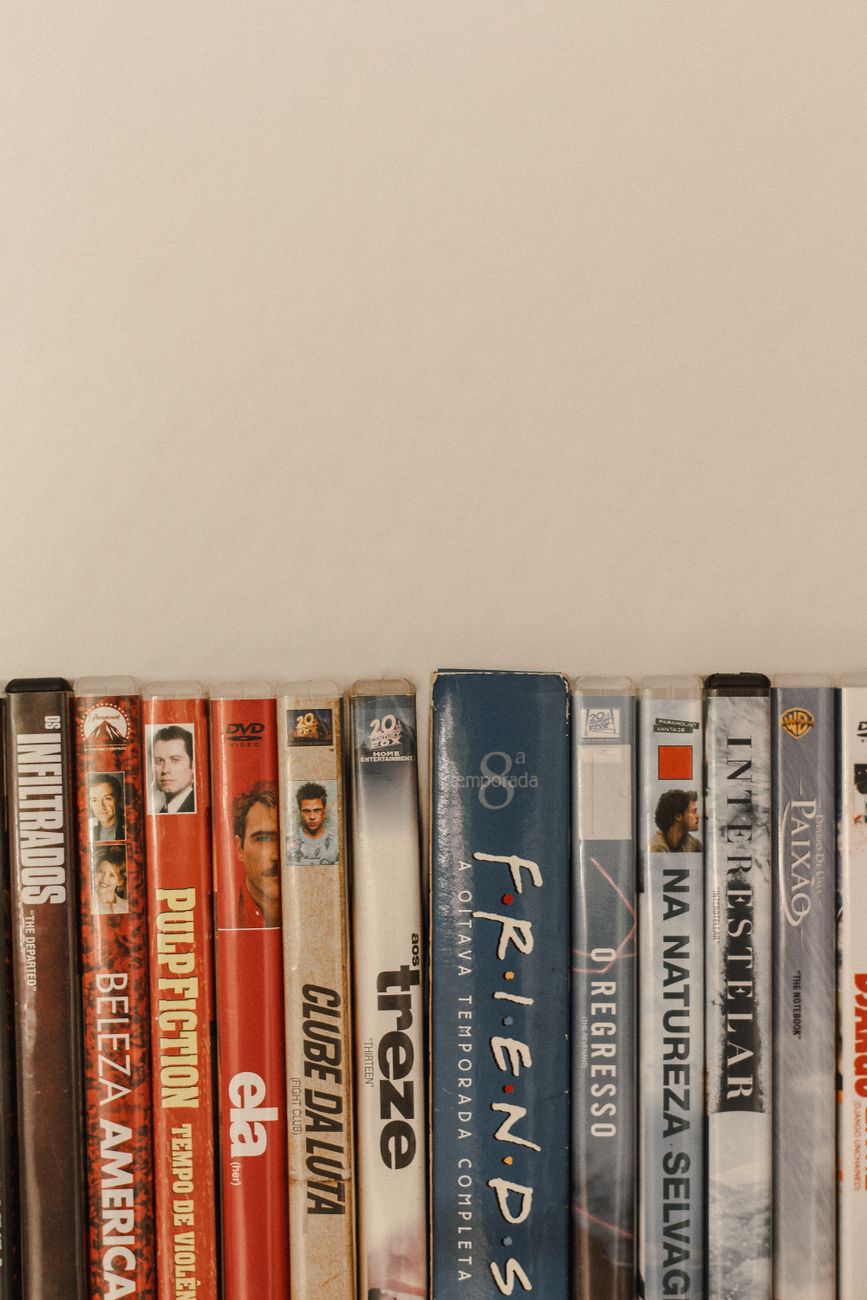
Film history often functions as a mirror, reflecting the values, anxieties, and aesthetic shifts of the eras in which movies were produced. However, a select group of cinematic works transcends these temporal boundaries. These films maintain a resonance that feels as immediate to a contemporary viewer as it did to audiences decades ago. When examining why certain movies endure, the focus often lands on narrative structure, thematic universality, and the technical precision of the filmmaking process.
Table of Contents
- The Pillars of Cinematic Longevity
- Masterpieces of Narrative Economy: 12 Angry Men
- Subverting Expectations: The Apartment
- The Technical Precision of Psycho
- Comparison of Timeless Cinematic Elements
- The Enduring Appeal of Film Noir
- Why Technical Craftsmanship Outlasts Trends
- Evaluating the Impact of Scriptwriting
- Frequently Asked Questions
- Final Reflections on Cinematic Longevity
The Pillars of Cinematic Longevity
A movie that feels timeless typically shares specific characteristics. These features allow the work to bypass the dated social norms or stylistic choices that often relegate older films to the category of historical curiosity. The most effective classics prioritize human motivations that remain consistent across generations, such as the pursuit of justice, the complexities of familial bonds, or the struggle for individual identity.
- Universal Themes: Stories centered on fundamental human experiences—grief, ambition, love, and moral conflict—rarely lose their power.
- Visual Language: Masterful cinematography and framing often utilize principles of composition that remain visually pleasing, regardless of technological advancements in camera equipment.
- Pacing and Editing: A well-paced film manages information delivery in a way that respects the viewer’s attention, avoiding the slow, rhythmic inconsistencies found in many early motion pictures.
Masterpieces of Narrative Economy: 12 Angry Men
Released in 1957, 12 Angry Men serves as a primary example of how a limited setting can amplify dramatic tension. By confining the action to a single jury room, the film forces the audience to engage directly with the dialogue and the shifting power dynamics between the characters. This approach eliminates the need for expensive location changes, focusing instead on the psychology of the participants. The film’s exploration of prejudice, the fallibility of memory, and the weight of civic responsibility remains a staple of legal and social discourse, providing a framework for understanding how truth is often obscured by personal bias.
Subverting Expectations: The Apartment
In the realm of romantic comedy-drama, The Apartment (1960) offers a sharp, cynical look at corporate culture and loneliness that feels remarkably modern. Rather than relying on the idealized tropes common to the era, the film highlights the transactional nature of professional success and the moral compromises individuals make to climb the corporate ladder. Its ability to balance biting satire with genuine emotional stakes allows it to remain relevant in an age defined by the gig economy and the blur between personal life and professional obligations.
The Technical Precision of Psycho
Alfred Hitchcock’s Psycho (1960) fundamentally altered the landscape of thriller cinema. Beyond its famous sequences, the film is a masterclass in audience manipulation and structural innovation. By shifting the narrative perspective mid-film, it defied the conventions of the time, creating a sense of instability that keeps viewers on edge even upon repeat viewings. The technical choices, from the stark black-and-white cinematography to the iconic score, established a visual and auditory language for the suspense genre that filmmakers continue to emulate today.
Comparison of Timeless Cinematic Elements
| Film Title | Primary Theme | Why It Endures |
|---|---|---|
| 12 Angry Men | Justice and Bias | Minimalist setting forces focus on character dialogue. |
| The Apartment | Corporate Ethics | Realistic portrayal of workplace power dynamics. |
| Psycho | Psychological Suspense | Innovative narrative structure and pacing. |
| Casablanca | Moral Duty vs. Desire | The conflict between personal happiness and global necessity. |
| Double Indemnity | Human Greed | Defined the visual and thematic blueprint of film noir. |
The Enduring Appeal of Film Noir
Film noir represents a distinct stylistic movement that continues to influence contemporary directors. Works like Double Indemnity (1944) established a visual vocabulary—characterized by low-key lighting, high-contrast shadows, and complex characters—that effectively communicates moral ambiguity. The genre’s preoccupation with the darker side of human nature ensures that it never feels entirely dated. Because these films often deal with the consequences of greed and the fragility of morality, they resonate with audiences who are familiar with the complexities of modern social and legal systems.
Why Technical Craftsmanship Outlasts Trends
Advancements in digital technology often lead to the rapid obsolescence of films that rely too heavily on the “cutting edge” of their time. Conversely, classics that prioritized practical effects, natural lighting, and deliberate blocking tend to age more gracefully. When a director focuses on the essential elements of performance and composition, the lack of modern digital polish becomes irrelevant. The audience is invited to focus on the human element, which serves as the anchor for the entire experience.
Evaluating the Impact of Scriptwriting
The longevity of a film is frequently tied to the quality of its screenplay. A script that avoids overly specific slang and relies on the rhythm of naturalistic speech is far less likely to feel like a relic. Furthermore, structural integrity—where every scene serves a purpose in advancing the plot or deepening character understanding—is a hallmark of timeless cinema. When a film possesses this level of narrative efficiency, it maintains its grip on the viewer, regardless of the era in which the film is viewed.
Frequently Asked Questions
What makes a movie “timeless” rather than just “old”?
A timeless movie relies on universal human truths and strong structural foundations rather than the specific technological or social fads of its production period.
Do black-and-white films appeal to modern audiences?
Yes, because the lack of color often forces a greater focus on composition, lighting, and performance, which can lead to a more immersive experience for the viewer.
Why do certain films remain part of the cultural conversation?
Films that explore complex ethical dilemmas or social structures provide ongoing value as subjects for analysis and discussion, keeping them relevant across generations.
Is it necessary to understand the historical context to enjoy a classic?
While historical context can enhance appreciation, the best classic films are designed to function as self-contained stories that are fully accessible to a modern viewer.
How does pacing in older films differ from modern cinema?
Older classics often utilize a more deliberate pace, which allows for deeper character development, whereas modern films frequently prioritize faster cuts and constant sensory stimulation.
Final Reflections on Cinematic Longevity
The study of cinema is an ongoing process of discovery. When assessing films that have stood the test of time, it becomes clear that quality is not determined by production date, but by the intent and execution of the filmmakers. These classics provide a lens through which to view not only the past but also the present. By engaging with these works, viewers gain insight into the evolution of storytelling techniques and the consistency of human nature. The best classic movies offer a consistent standard of excellence, encouraging a deeper appreciation for the art of filmmaking. As new generations encounter these titles, they serve as a reminder that powerful narratives possess an inherent ability to communicate across decades, remaining as vital and impactful today as they were upon their initial release. Exploring these films is not merely an exercise in nostalgia; it is a practical way to understand the foundational elements that continue to define high-quality cinema.
Frequently Asked Questions (FAQ)
Q: What characterizes classic Hollywood cinema?
A: Classic Hollywood cinema is characterized by narrative continuity, structured lighting (like three-point lighting), clear character motivations, and genre conventions established between the 1910s and 1960s.
Q: How did Film Noir get its name and aesthetic?
A: Film Noir, meaning “black film” in French, got its name from French critics describing American crime dramas of the 1940s. Its aesthetic is defined by low-key lighting, deep shadows, and cynical characters.
Q: Why do vintage movies feel more nostalgic to watch?
A: Vintage films capture the actual clothing, dialects, technologies, and social textures of their times, serving as authentic historical capsules that trigger deep feelings of cultural nostalgia.

