

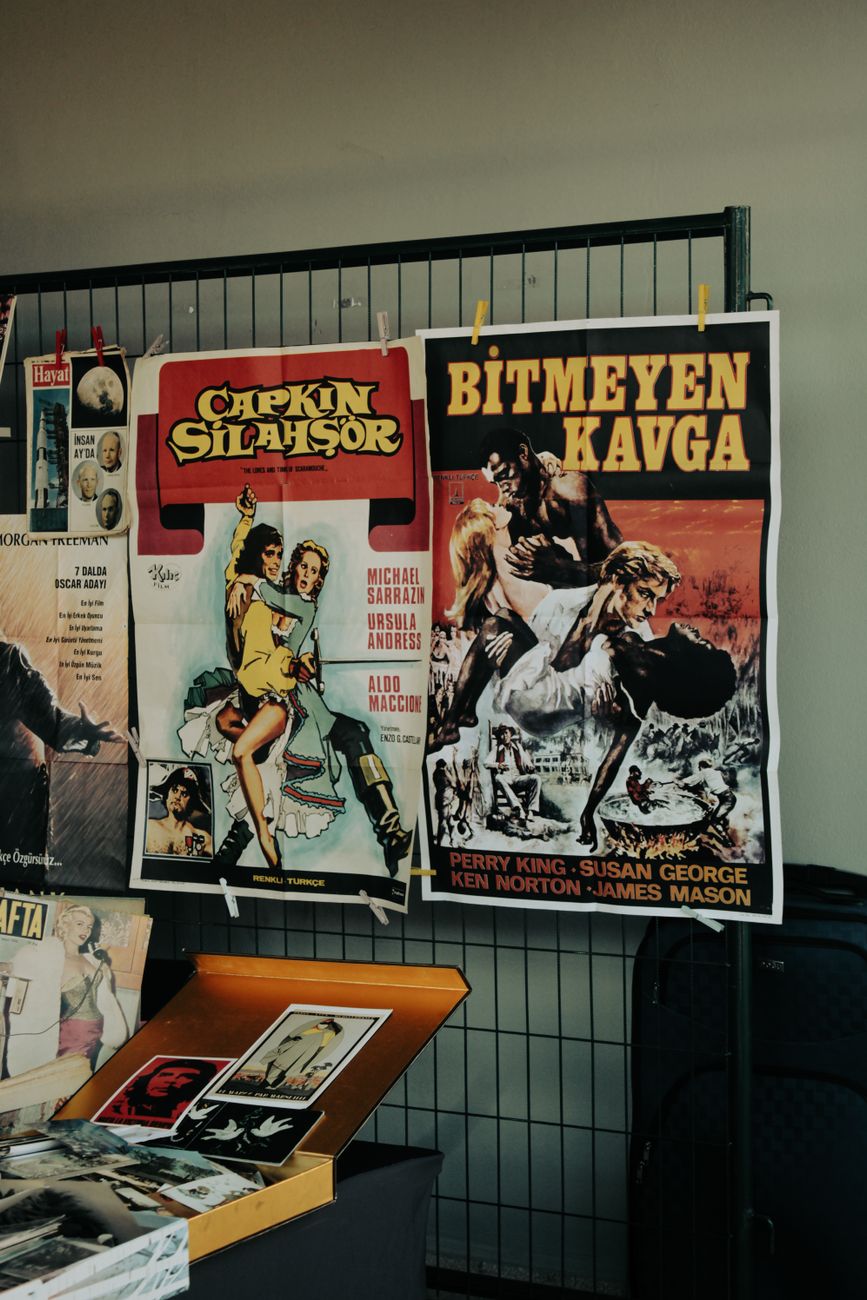
The history of cinema is a progression of visual languages. Before the advent of digital color grading and high-definition clarity, filmmakers relied on physical constraints—lighting, film stock, and set design—to create distinct atmospheres. Understanding these vintage aesthetics allows viewers to appreciate the technical ingenuity behind the screen and provides a deeper context for how visual storytelling evolved throughout the 20th century.
Table of Contents
- German Expressionism: The Architecture of Shadows
- The Era of Technicolor: Painting with Light
- Film Noir: The Aesthetics of Cynicism
- Comparison of Vintage Cinematic Aesthetics
- Italian Neorealism: The Beauty of the Mundane
- French New Wave: The Aesthetic of Spontaneity
- The Role of Aspect Ratios and Grain
- Frequently Asked Questions
- The Enduring Legacy of Vintage Styles
German Expressionism: The Architecture of Shadows
Emerging in the 1920s, German Expressionism was defined by a rejection of realism. Filmmakers utilized distorted sets, jagged angles, and high-contrast lighting to mirror the internal psychological states of characters. The aesthetic was a direct response to the trauma of the post-WWI era, focusing on themes of madness, betrayal, and the uncanny.
Key elements of this aesthetic include:
- Chiaroscuro lighting: The extreme contrast between light and shadow to create depth and mystery.
- Stylized production design: Sets often featured painted shadows on walls and non-Euclidean geometry, making physical spaces feel claustrophobic or surreal.
- Thematic preoccupation: A focus on the darker corners of the human psyche, often centered on anti-heroes or supernatural figures.
This style profoundly influenced the later development of film noir in the United States, as European directors migrated to Hollywood and brought these techniques with them, permanently altering the visual vocabulary of crime dramas.
The Era of Technicolor: Painting with Light
Before digital color, the Technicolor process was the gold standard for vibrancy and saturation. Introduced in its three-strip form in the 1930s, this technology required massive lighting setups and specialized cameras. The resulting aesthetic was not meant to mimic reality; it was meant to improve upon it.
Technicolor aesthetics are characterized by:
- High Saturation: Colors appear richer and more vibrant than they do in natural daylight.
- Color Coding: Filmmakers used specific palettes to differentiate between environments, such as the stark contrast between the sepia tones of Kansas and the hyper-saturated hues of the Land of Oz.
- Precision Lighting: Because the film stock had a low light sensitivity, sets were flooded with bright, even light, which eliminated the murky shadows found in earlier black-and-white films.
Film Noir: The Aesthetics of Cynicism
Film noir is less a genre and more a visual mood. Dominant in the 1940s and 1950s, this aesthetic is synonymous with urban decay, moral ambiguity, and the “femme fatale.” The visual language of noir relies heavily on the legacy of German Expressionism but grounds it in the gritty reality of the American city.
Essential visual markers of film noir:
- Venetian Blind Shadows: The use of horizontal light patterns to create a sense of imprisonment or surveillance.
- Wet Pavements: Directors frequently doused streets with water to increase light reflection, adding a glossy, dangerous texture to night scenes.
- Low-Key Lighting: A single, harsh light source is often used to obscure parts of the protagonist’s face, symbolizing their hidden motives or moral uncertainty.
Comparison of Vintage Cinematic Aesthetics
| Aesthetic Style | Primary Era | Key Visual Marker | Mood/Tone |
|---|---|---|---|
| German Expressionism | 1920s | Distorted, jagged sets | Surreal and anxious |
| Technicolor | 1930s-1950s | High color saturation | Idealized and vibrant |
| Film Noir | 1940s-1950s | High-contrast shadows | Cynical and moody |
| Italian Neorealism | 1940s-1950s | Natural, available light | Raw and documentary-like |
Italian Neorealism: The Beauty of the Mundane
In contrast to the highly controlled studio environments of Hollywood, Italian Neorealism prioritized the “real.” Emerging after the devastation of World War II, filmmakers took their cameras to the streets, using non-professional actors and natural lighting. This aesthetic stripped away the artifice of cinema to focus on the struggles of the working class.
The aesthetic principles include:
- On-location shooting: Moving away from soundstages to capture the texture of crumbling cities and rural landscapes.
- Naturalistic pacing: Scenes often linger on quiet, everyday moments rather than traditional plot-driven action.
- Minimalist editing: A lack of flashy transitions or complex camera movements keeps the focus on the subjects and their environment.
French New Wave: The Aesthetic of Spontaneity
The late 1950s and 1960s saw the rise of the French New Wave, which treated the camera as a pen. This movement broke the “rules” of traditional filmmaking. The aesthetic was defined by a sense of urgency, playfulness, and a disregard for conventional continuity.
Key technical innovations:
- Jump Cuts: Deliberately breaking the flow of time to remind the audience they are watching a film.
- Handheld Cinematography: Moving the camera away from the tripod allowed for a more intimate, documentary-like energy.
- Direct Sound: Recording audio on location rather than dubbing it in post-production, which gave dialogue a natural, sometimes messy, spontaneity.
The Role of Aspect Ratios and Grain
Beyond lighting and color, the physical constraints of the film format contribute significantly to the vintage aesthetic. The Academy Ratio (1.37:1), which was the standard for decades, creates a boxier frame that focuses heavily on the center of the image. This dictates composition, forcing directors to stack subjects vertically rather than spreading them horizontally.
Furthermore, the presence of film grain—the microscopic particles of silver halide in the emulsion—provides a textural quality that digital sensors struggle to replicate. Grain adds a tactile, organic feel to the image, bridging the gap between the viewer and the screen. It is an inherent part of the vintage experience, representing the physical interaction between light and chemical surface.
Frequently Asked Questions
What is the difference between high-key and low-key lighting?
High-key lighting uses bright, even illumination to reduce shadows, common in comedies and musicals. Low-key lighting uses deep shadows and high contrast to create drama, a staple of film noir.
Why do vintage films look “flickery”?
Early films were shot at lower frame rates, often around 16 to 18 frames per second. This lower speed resulted in a perceived flicker, which became an iconic part of the aesthetic of silent-era cinema.
Did color film exist before Technicolor?
Yes, early experiments like Kinemacolor existed, but three-strip Technicolor was the first process to provide a full, stable, and commercially viable color spectrum that defined the look of the mid-20th century.
Why is German Expressionism considered “distorted”?
The sets were designed with non-parallel lines and skewed perspectives to reflect the characters’ distorted psychological states, moving away from the “natural” look of stage theater.
Is film grain considered a flaw?
In modern digital production, grain is often seen as a texture that adds “warmth” or “authenticity.” In historical contexts, it was simply an unavoidable byproduct of the film stock speed.
The Enduring Legacy of Vintage Styles
The study of vintage cinema aesthetics reveals that technical limitations were often the catalysts for the most creative breakthroughs in film history. Filmmakers did not have the luxury of digital manipulation; every shadow, every color shift, and every camera movement was a calculated decision made in the physical world.
By observing these patterns, one gains a better understanding of how visual style informs narrative. Whether it is the stark, shadows of an urban noir landscape or the sun-drenched, saturated hues of a mid-century musical, these aesthetics provide a framework for how stories are told. Recognizing these styles is not merely an academic exercise; it is a way to engage more deeply with the history of the medium. As viewers continue to explore the archives of film history, these vintage aesthetics remain relevant, serving as the foundation upon which all modern visual storytelling is built. Understanding them is the first step toward a more comprehensive appreciation of the moving image.
Frequently Asked Questions (FAQ)
Q: What is the difference between vintage and retro design?
A: “Vintage” generally refers to authentic items that are at least 20 to 100 years old, representing the era they were made. “Retro” refers to modern designs that imitate styles of the past.
Q: Why is mid-century modern design still popular today?
A: Mid-century modern design remains highly popular due to its emphasis on clean lines, organic curves, structural functionality, and timeless integration of indoor and outdoor living spaces.
Q: How can I integrate vintage collectibles into a modern home?
A: You can integrate vintage items by using them as accent statement pieces, blending them with neutral modern palettes, or repurposing old items (like retro radios) as functional decor.


1 Comment
Pingback: Beyond the Neon Horizon: Retro Science Fiction Movies Worth Watching Again – Anemoia