

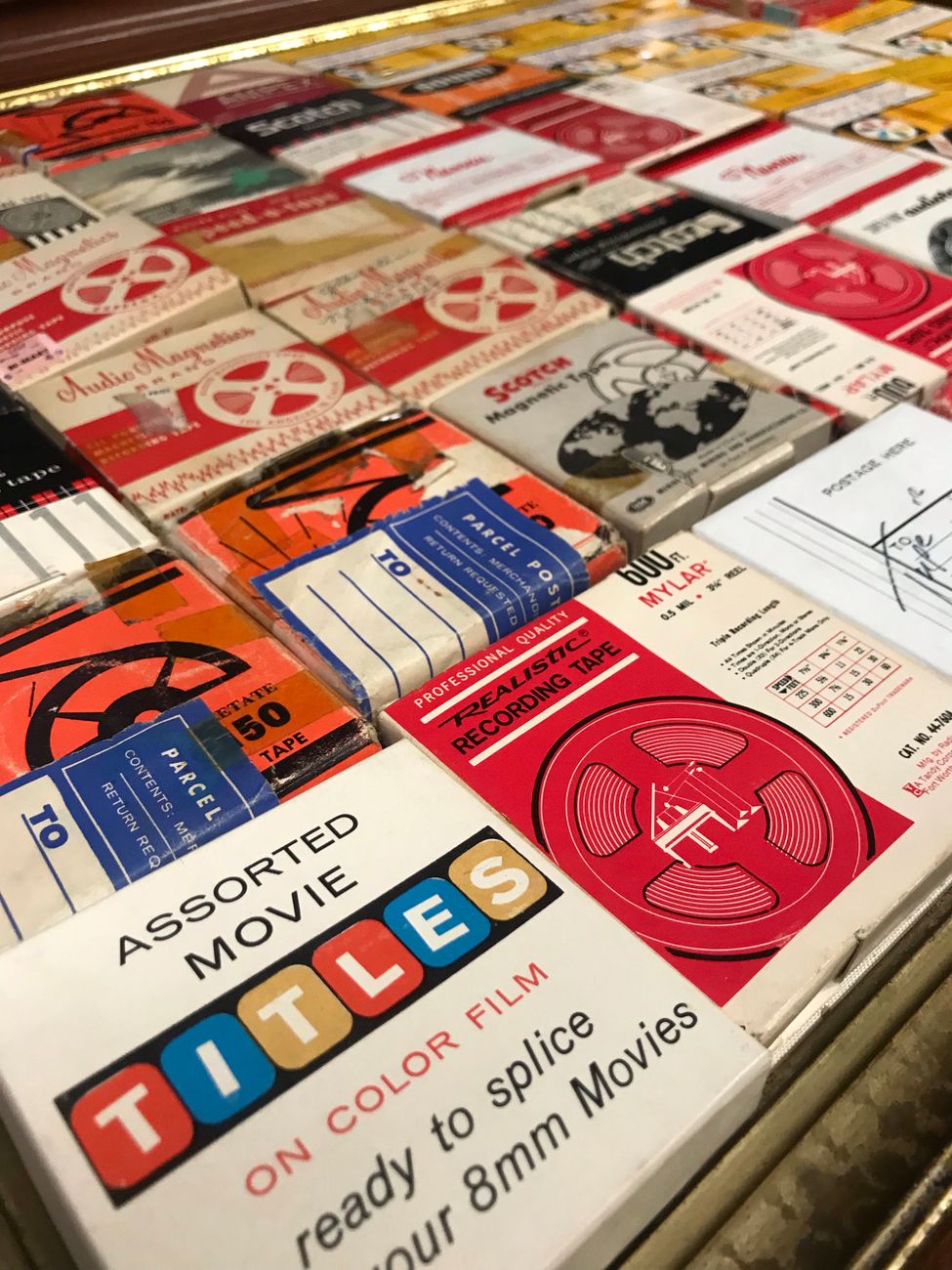
The power of cinema lies in its unique ability to function as a time capsule. When a film successfully recreates a bygone era, it does more than entertain; it provides a sensory experience that transports the audience to a different point in history. Capturing the essence of a lost era requires meticulous attention to detail, ranging from period-accurate costume design to the specific cultural anxieties of the time. These films serve as historical markers, allowing modern viewers to understand the social structures, technological limitations, and aesthetic trends that defined previous generations.
Table of Contents
The Art of Reconstructing the Past
Recreating a lost era is a complex undertaking that involves the intersection of production design, cinematography, and historical research. Filmmakers must balance visual accuracy with the narrative needs of the story. When a movie hits this balance, it provides an immersive window into history. The most effective period pieces utilize authentic set design to anchor the audience in a specific timeline. By focusing on the mundane details—such as the texture of clothing, the model of a car, or the specific slang used in dialogue—directors build a credible environment that feels lived-in rather than staged.
Essential Films That Define Historical Eras
Certain films have become benchmarks for their ability to transport viewers into the past. These movies are often cited for their commitment to authenticity and their success in capturing the spirit of the time.
The 1950s: Suburbia and Social Conformity
Films set in the 1950s often focus on the tension between post-war prosperity and the rigid social expectations of the era. The visual language of these films typically involves saturated colors, mid-century modern furniture, and the distinct fashion of the decade. These movies examine the underlying pressures of domestic life, showing how the promise of the “American Dream” often masked deeper societal frustrations.
The 1970s: Gritty Realism and Cultural Shift
The 1970s represent a distinct shift in cinematic tone. Films that capture this decade often emphasize a raw, unpolished aesthetic. The focus shifts from the clean lines of the 1950s to the chaotic, vibrant, and often cynical atmosphere of the post-Vietnam era. These narratives frequently explore themes of political distrust, economic uncertainty, and the rise of counterculture movements, reflecting the actual historical climate of the time.
The 1920s: Art Deco and Economic Excess
Representing the 1920s requires a focus on the opulence of the Jazz Age. The visual style is characterized by geometric patterns, metallic accents, and the transition from silent film technology to early sound. These movies highlight the rapid social changes occurring after the First World War, focusing on the liberation of fashion and the newfound independence of the youth, while simultaneously hinting at the volatility of the financial markets that would lead to the Great Depression.
Comparative Analysis of Period Cinema
| Era | Primary Visual Focus | Key Thematic Elements | Typical Color Palette |
|---|---|---|---|
| 1920s | Opulence, Jazz Age | Social liberation, excess | Gold, black, velvet |
| 1950s | Suburbia, Home | Conformity, post-war hope | Pastel, bright primary |
| 1970s | Urban decay, grit | Political distrust, change | Earth tones, muted hues |
| 1990s | Early digital, analog | Technological transition | Neon, cool blues |
The Role of Cultural Context in Nostalgia
Nostalgia in film is not merely about aesthetic beauty; it is about the preservation of cultural context. When a movie captures a lost era, it documents the way people interacted with their environment before the advent of modern technology. This includes the reliance on analog communication, the pace of daily life, and the specific limitations of the era’s infrastructure. By stripping away contemporary technology, these films force the characters—and the viewers—to engage with the world in a more tactile, immediate way.
Sensory Details and Immersion
The immersion factor of a period film relies heavily on sensory details. Sound design plays an essential role in this process. The absence of modern ambient noise, such as the hum of digital devices or the specific frequency of modern street traffic, allows the audience to focus on the period-accurate sounds of the setting. Whether it is the clatter of a typewriter or the specific engine noise of a vintage automobile, these audio cues act as psychological triggers that reinforce the sense of being in another time.
Fashion and Material Culture
Costume design serves as one of the most effective tools for establishing a period. It provides a visual shorthand for the socioeconomic status and political alignment of characters. When costume designers prioritize historical accuracy over modern trends, the film gains a level of credibility that resonates with audiences. This commitment to the material culture of the era ensures that the film does not feel like a modern interpretation, but rather a document of the time itself.
Challenges in Historical Representation
One of the primary challenges in filming a lost era is avoiding the “modern gaze.” This happens when contemporary values or sensibilities are unintentionally projected onto characters from the past. To maintain integrity, filmmakers must rely on historical records, contemporary literature, and archival footage to understand the mindset of the people living in that era. The goal is to present the past as it was, rather than how a modern audience expects it to have been. This objectivity is what separates high-quality historical cinema from mere costume dramas.
Frequently Asked Questions
How do filmmakers ensure historical accuracy in period films?
Production teams often work with historical consultants and conduct extensive research into primary sources like newspapers, photographs, and architectural records to ensure the set design and costumes reflect the reality of the time.
Why does cinema have such a strong connection to nostalgia?
Cinema provides a visual and auditory experience that engages memory in a way other media cannot. By recreating the specific aesthetics of a past decade, films trigger a sense of familiarity, even for viewers who did not live through that era.
Can a film be considered nostalgic if it depicts a difficult historical period?
Yes. Nostalgia in film is not necessarily about romanticizing the past. It is about the act of remembering and reflecting on a time that has passed, regardless of whether that time was positive or negative.
Does the use of CGI affect the quality of a period piece?
While CGI can enhance the scale of a production, the most successful period films often rely on practical effects and on-location shooting to maintain a grounded, authentic atmosphere that audiences find more believable.
Reflection on the Cinematic Legacy
The study of films that capture lost eras provides a roadmap for understanding the evolution of society. By analyzing how different decades have been portrayed on screen, one can observe the shifting priorities, fears, and aspirations of humanity. These films act as permanent records, ensuring that the nuances of a particular time are not lost to history. As technology continues to evolve, the methods for recreating these eras will become more sophisticated, yet the core requirement remains the same: a deep, respectful attention to the reality of the past. Engaging with these films allows for a broader perspective on the human condition and the way history shapes the present.
Frequently Asked Questions (FAQ)
Q: What characterizes classic Hollywood cinema?
A: Classic Hollywood cinema is characterized by narrative continuity, structured lighting (like three-point lighting), clear character motivations, and genre conventions established between the 1910s and 1960s.
Q: How did Film Noir get its name and aesthetic?
A: Film Noir, meaning “black film” in French, got its name from French critics describing American crime dramas of the 1940s. Its aesthetic is defined by low-key lighting, deep shadows, and cynical characters.
Q: Why do vintage movies feel more nostalgic to watch?
A: Vintage films capture the actual clothing, dialects, technologies, and social textures of their times, serving as authentic historical capsules that trigger deep feelings of cultural nostalgia.


1 Comment
Pingback: Beyond the Neon Horizon: Retro Science Fiction Movies Worth Watching Again – Anemoia