

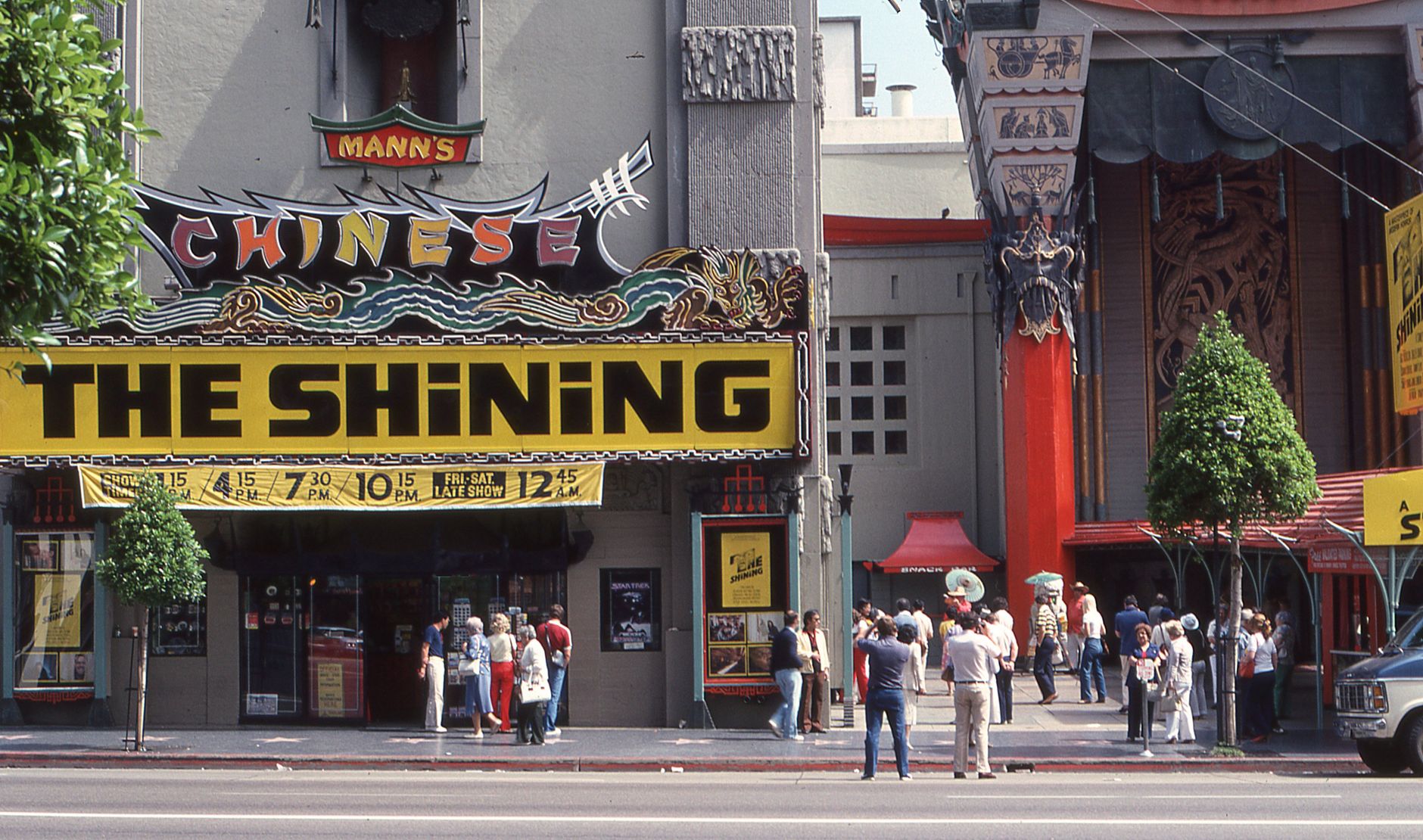
The magic of cinema often feels like a modern invention, yet the foundations of everything viewed on screens today were laid between the 1920s and the 1960s. This period, commonly referred to as the Golden Age of Hollywood, produced a body of work that continues to influence contemporary filmmakers, screenwriters, and audiences alike. Far from being mere relics of a bygone era, these films function as blueprints for visual storytelling, character development, and emotional resonance. Understanding why these movies maintain such a powerful grip on the modern imagination requires a look at the technical innovation, structural perfection, and thematic depth that defined the era.
Table of Contents
The Technical Foundations of Visual Storytelling
Before the advent of digital effects and computer-generated imagery, filmmakers had to rely on ingenuity, perspective, and lighting to create wonder. The cinematography of the 1940s and 50s, particularly within the genre of film noir, established a visual language that is still studied in film schools globally. High-contrast lighting, known as chiaroscuro, was used not just for aesthetic appeal, but to mirror the internal psychological states of characters.
Modern directors frequently cite these techniques when attempting to ground their stories in reality. When a contemporary thriller uses shadows to obscure a character’s face or to suggest hidden motives, it is directly channeling the influence of directors who mastered the art of the camera under the constraints of the studio system. This mastery of light and shadow remains the gold standard for creating tension without the need for excessive dialogue or exposition.
Narrative Structure and the Art of the Screenplay
Modern audiences often praise a film for its “tight” script, a quality that is essentially the hallmark of the classic Hollywood era. The studio system operated with a rigorous focus on efficiency and narrative clarity. Every scene had to serve a purpose, either by advancing the plot or deepening the understanding of a character’s motivations.
This structural discipline resulted in films that feel perfectly paced even by today’s standards. The economy of language in these scripts is a lesson in precision. By stripping away extraneous details, writers of the time ensured that the core conflict was always front and center, keeping viewers engaged from the opening frame to the final shot. This approach to screenwriting remains a primary reference point for anyone interested in the mechanics of effective storytelling.
Enduring Themes and Human Archetypes
While technology changes, the human condition remains remarkably consistent. The films of Old Hollywood excelled at exploring universal themes: ambition, betrayal, love, justice, and the struggle for personal identity. These stories utilized archetypes that are still prevalent in modern media.
- The Reluctant Hero: A character forced into a situation beyond their control who must rise to the occasion.
- The Femme Fatale: A figure of mystery and influence who challenges the protagonist’s moral compass.
- The Cynical Observer: A character who provides commentary on the absurdity of the world, often serving as the audience’s surrogate.
These archetypes allow films to transcend their specific time periods. Because the conflicts are rooted in fundamental human experiences, a viewer watching a film from 1945 can still find the motivations of the characters entirely relatable. This universality is the primary reason these movies continue to find new audiences on streaming platforms and at retrospective screenings.
Comparison of Classic vs. Modern Cinematic Approaches
| Feature | Classic Hollywood Approach | Modern Cinematic Approach |
|---|---|---|
| Pacing | Measured, focused on narrative beats | Often rapid, focused on sensory impact |
| Visuals | Practical effects, lighting-driven | Digital effects, color grading-driven |
| Dialogue | Economical, subtext-heavy | Naturalistic, sometimes improvisational |
| Resolution | Usually definitive, clear morality | Often ambiguous, shades of grey |
The Influence on Contemporary Directing Styles
Many of the most acclaimed directors working today began their careers as students of classic cinema. The way a scene is blocked—how actors move within a frame—is a direct descendant of the choreography utilized in classic musicals and dramas. By studying how directors of the past managed large-scale productions with limited technical support, modern filmmakers learn how to prioritize the performance over the spectacle.
Furthermore, the influence of Old Hollywood is visible in the revival of specific genres. The resurgence of the neo-noir genre, for instance, is a direct nod to the visual and thematic sensibilities of the 1940s. This cyclical nature of film history suggests that as technology advances, there is a recurring desire to return to the basics of human interaction and dramatic tension that defined the early years of the industry.
Frequently Asked Questions
Why do old films often feel more engaging than some modern blockbusters?
Many classic films prioritize character-driven narratives over spectacle. Because the technology was limited, the focus remained on the script and the performance, which often creates a more intimate connection with the viewer.
Is it difficult to get used to the black-and-white format?
Most viewers find that after a few minutes of watching, the brain adjusts to the lack of color. In fact, black-and-white cinematography often forces the viewer to focus more intently on the composition of the shot and the expressions of the actors.
How can I start exploring Old Hollywood films?
A good starting point is to look for films that won major awards during their time, or to explore specific genres like screwball comedies, film noir, or historical epics, which showcase the range of the studio era.
Do these films still hold up regarding social issues?
While some aspects of these films reflect the social norms of their time, many also contain subtle critiques of power, class, and gender dynamics that remain relevant for discussion and analysis today.
Reflections on Cinematic Legacy
The persistence of Old Hollywood in the modern cultural landscape is not an accident. It is the result of a period where the craft of filmmaking was refined to a high degree of precision. By studying these works, audiences gain a deeper appreciation for the art form, recognizing that today’s cinema is built upon a foundation that values clarity, performance, and the ability to tell a compelling story with minimal resources.
Engaging with these films offers more than just historical interest; it provides a way to see the evolution of language, fashion, and social values. It allows for a broader perspective on how stories are told and why certain narratives remain vital across generations. As the industry continues to move toward new horizons of virtual production and artificial intelligence, the lessons learned from the practitioners of the Golden Age remain as significant as ever. These films serve as a reminder that at the heart of every great cinematic experience, there is a human story waiting to be told.
Frequently Asked Questions (FAQ)
Q: What is film grain and why is it valued?
A: Film grain is the texture created by light-sensitive silver halide crystals on photographic film. Many photographers value it for its organic, tactile aesthetic that adds depth and nostalgia to images.
Q: Can I replicate a vintage film look with a modern digital camera?
A: Yes, you can replicate the film look by shooting in RAW, adding digital grain, adjusting color channels to match vintage emulsions (like warm yellows or faded blues), and using vintage lenses with adapters.
Q: What are the best film cameras for beginners?
A: Fully manual SLR cameras like the Canon AE-1, Pentax K1000, or Nikon FM10 are highly recommended for beginners because they teach the fundamentals of aperture, shutter speed, and manual focus.
