

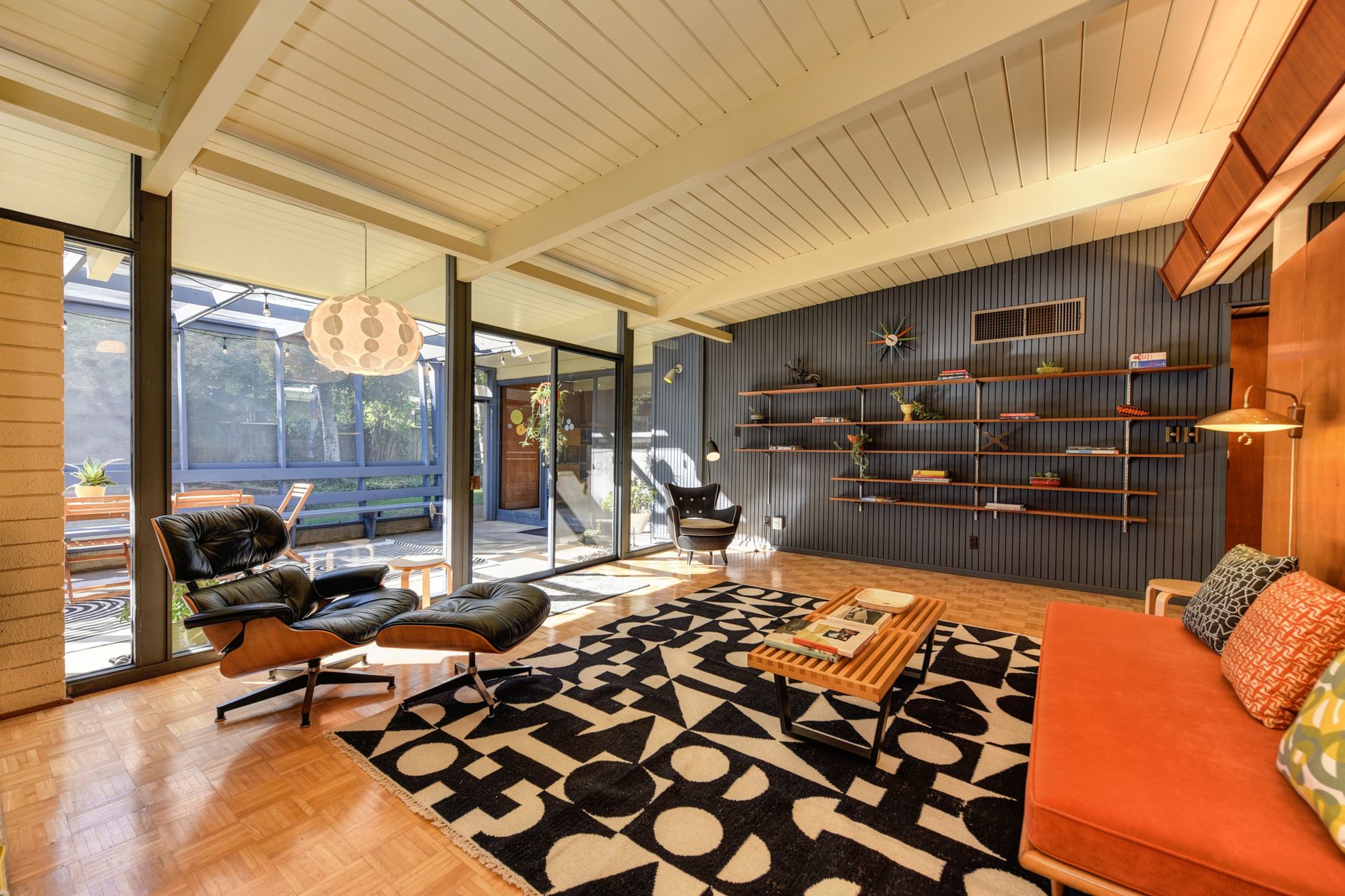
The Mid Century Modern (MCM) movement, which flourished roughly between 1945 and 1969, continues to exert a profound influence on contemporary interior design and daily living. Characterized by clean lines, organic shapes, and a seamless integration of indoor and outdoor spaces, this aesthetic offers more than just a visual style—it provides a blueprint for a balanced, functional, and uncluttered life. Adopting an MCM approach today means prioritizing quality over quantity and embracing architecture that serves the needs of the inhabitants.
Table of Contents
- The Philosophy of Functionality
- Bringing the Outdoors In
- Curating an Authentic Color Palette
- Comparison of Design Elements: Traditional vs. Mid Century Modern
- Lighting as a Functional Accessory
- Sustainable Consumption and Longevity
- Integrating Modern Technology
- Frequently Asked Questions
- Reflections on a Balanced Home
The Philosophy of Functionality
At the heart of the Mid Century Modern lifestyle is the principle that form follows function. Furniture and decor from this era were designed to be useful and accessible rather than purely ornamental. In today’s high-paced environment, this philosophy translates into a focus on multi-purpose furniture and minimalist layouts. By stripping away non-essential clutter, living spaces become more breathable and adaptable to various activities, such as remote work, relaxation, and social gatherings.
- Prioritize Open Floor Plans: Remove unnecessary partitions to improve natural light circulation.
- Invest in Modular Furniture: Use pieces that can be reconfigured based on immediate needs.
- Focus on Natural Materials: Incorporate walnut, teak, leather, and wool to ground the space in tactile, durable materials.
Bringing the Outdoors In
A hallmark of mid-century architecture is the intentional blurring of the boundary between the home and the surrounding landscape. Large floor-to-ceiling windows, sliding glass doors, and the use of indoor plants are essential components of this lifestyle. Creating a visual connection with nature has been shown to improve psychological well-being and reduce stress. To replicate this, place large, sculptural plants like the Fiddle Leaf Fig or Monstera Deliciosa in corners to draw the eye upward and mimic the lushness of a backyard environment.
Curating an Authentic Color Palette
While many associate the 1950s and 60s with vibrant, bold colors, the core of the style relies on a sophisticated balance. A neutral base of white, cream, or light gray provides a canvas for muted earth tones—mustard yellow, olive green, burnt orange, and deep navy. This palette prevents a home from feeling chaotic and ensures that furniture pieces, often crafted from rich, warm-toned woods, remain the focal point of the room. When choosing textiles, opt for solid colors or subtle, geometric patterns that reflect the era’s fascination with mathematical precision and abstract art.
Comparison of Design Elements: Traditional vs. Mid Century Modern
| Feature | Traditional Design | Mid Century Modern |
|---|---|---|
| Lines | Ornate, curved, and heavy | Clean, straight, and tapered |
| Material Usage | Dark woods, heavy upholstery | Teak, walnut, glass, and metal |
| Spatial Flow | Defined, separate rooms | Open and interconnected |
| Philosophy | Ornamental and status-driven | Functional and egalitarian |
| Color Palette | Rich, deep, and dramatic | Earthy, muted, and pops of primary |
Lighting as a Functional Accessory
Lighting in an MCM-inspired home serves a dual purpose: it illuminates the space while acting as a sculptural statement piece. Iconic designs, such as the sputnik chandelier or the arc floor lamp, prioritize geometric shapes and metallic finishes. Today, these pieces act as the jewelry of the room. When selecting lighting, ensure that the scale is proportional to the furniture underneath. Avoid overly complex fixtures that distract from the clean lines of the room; instead, choose pieces that reflect light effectively and maintain a sense of lightness and transparency.
Sustainable Consumption and Longevity
The Mid Century Modern movement preceded the modern focus on sustainability, yet its core values align perfectly with it. The emphasis on high-quality craftsmanship means that furniture was built to last for generations. Adopting this lifestyle today involves moving away from fast furniture and instead investing in vintage pieces or modern reproductions that use sustainable, responsibly sourced materials. This approach reduces waste and creates a home environment that gains character over time rather than losing value.
- Repair and Restore: Rather than discarding damaged wood furniture, refinish it to bring out the natural grain.
- Source Locally: Find vintage furniture from local antique shops to reduce the carbon footprint associated with shipping.
- Choose Versatility: Select pieces that can transition from a dining chair to an office chair, ensuring they remain useful regardless of how your living situation changes.
Integrating Modern Technology
A common challenge in achieving an MCM look is the presence of modern technology, which often feels at odds with the aesthetic. To maintain a mid-century vibe, integrate technology discreetly. Use media consoles with closed storage to hide cables and gaming consoles. Mount televisions on walls to reduce the visual weight of large entertainment centers, or incorporate smart home devices that have minimalist, unobtrusive designs. The goal is to ensure that modern convenience does not override the calm, curated atmosphere of the home.
Frequently Asked Questions
How can I incorporate Mid Century Modern style on a budget?
Focus on smaller accents like throw pillows, geometric art prints, or a single vintage lamp. You do not need to replace all your furniture; rather, introduce one or two key pieces that establish the aesthetic.
Is Mid Century Modern design still relevant?
Yes, because it prioritizes functionality and open space, which are highly compatible with modern urban living. Its focus on simplicity makes it an evergreen design choice.
What are the best woods to use for this look?
Teak and walnut are the most iconic choices due to their rich, warm hues and durability. Oak is also an acceptable choice if stained to match the desired warmth of the interior.
How do I keep the space from feeling like a museum?
Incorporate personal items, books, and varied textures to ensure the home feels lived-in. The goal is to create a functional space that reflects your personality while adhering to the design principles of the era.
Reflections on a Balanced Home
Adopting a Mid Century Modern lifestyle is an exercise in intentional living. By focusing on the structural integrity of furniture, the flow of the home, and a connection to the natural world, one can create a living environment that is both efficient and aesthetically pleasing. The style encourages a departure from excessive ornamentation, inviting occupants to find beauty in simplicity and purpose. Whether you are furnishing a small apartment or a large family home, the lessons of this era—prioritizing quality, celebrating natural materials, and maintaining an open, airy environment—remain highly effective strategies for modern living. By curating your space with these principles in mind, you create a home that is not only stylish but also fundamentally aligned with a purposeful and balanced way of life.
Frequently Asked Questions (FAQ)
Q: What is the psychological definition of nostalgia?
A: Nostalgia is a sentimental longing or wistful affection for the past, typically associated with personal memories, childhood experiences, or meaningful relationships.
Q: What is “Anemoia” and why do people feel it?
A: Anemoia is a unique psychological phenomenon defined as nostalgia for a time or place you have never personally lived. It is triggered by vintage media, historical stories, photos, and music.
Q: How does looking at vintage aesthetics affect mental health?
A: Interacting with vintage aesthetics can reduce current stress levels by providing a sense of stability, safety, and psychological comfort, linking the individual to a perceived simpler era.

