

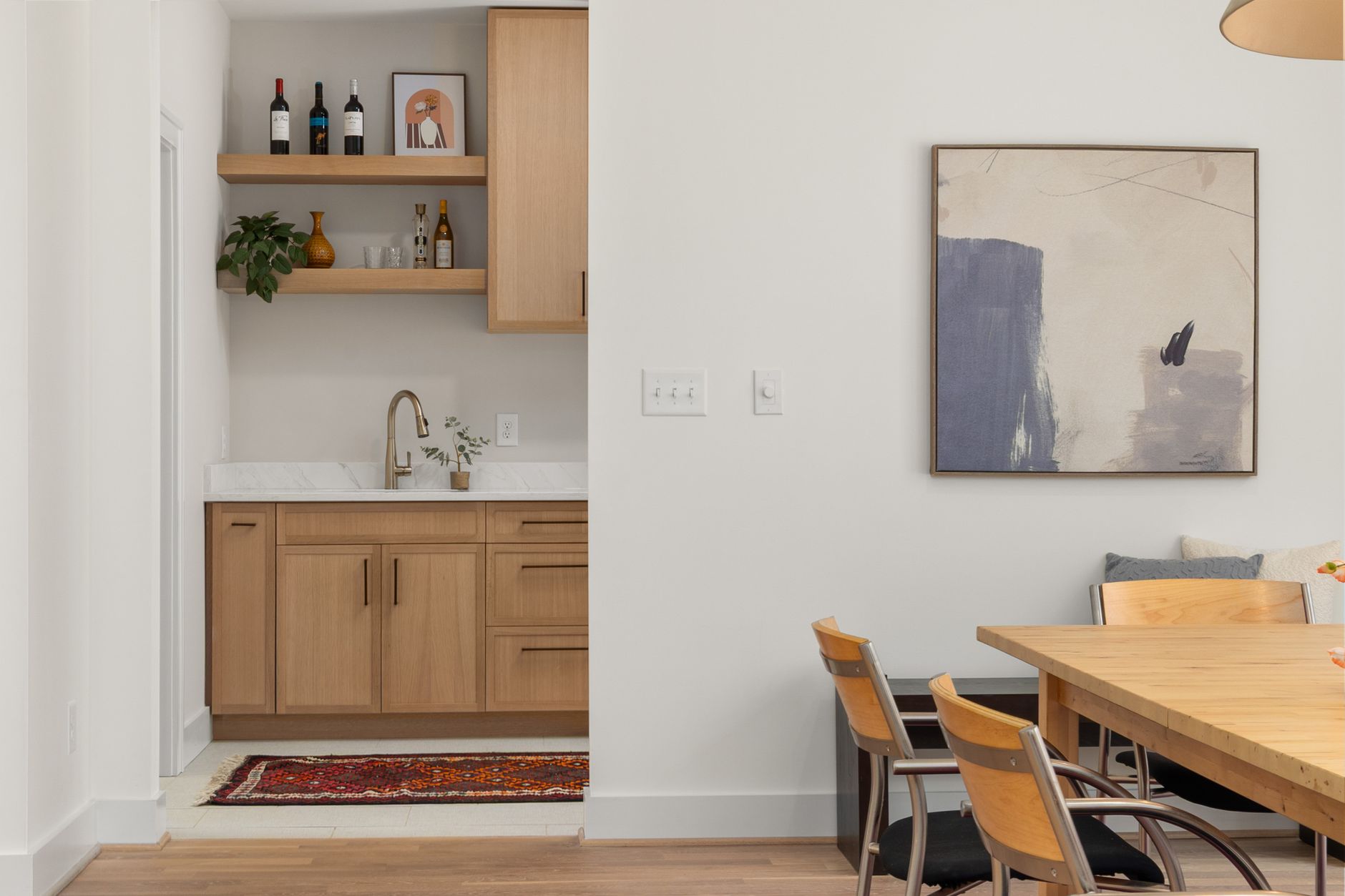
The 1970s represent a transformative era in interior design, characterized by a shift toward self-expression, organic forms, and a rejection of rigid mid-century minimalism. While the decade is often remembered for its polarizing shag carpets and neon-heavy color palettes, the underlying design language—warmth, texture, and comfort—remains highly relevant for modern homeowners. Adapting 1970s aesthetics for the twenty-first century requires a selective approach that prioritizes balance, ensuring that retro elements complement rather than overwhelm contemporary architecture.
Table of Contents
- The Foundations of 1970s Interior Design
- Curating a Modern Color Palette
- Furniture Selection and Spatial Arrangement
- Strategic Comparison: Retro Elements vs. Modern Integration
- Lighting as a Design Statement
- Integrating Natural Textures and Materials
- Avoiding Common Pitfalls
- Frequently Asked Questions
- Conclusion
The Foundations of 1970s Interior Design
Design in the 1970s was deeply influenced by a desire to reconnect with nature and human comfort. This period moved away from the sharp angles of the 1950s and 60s, favoring curves, sunken living spaces, and natural materials. Understanding these core elements is the first step toward incorporating them into a modern home.
- Warm Earth Tones: The iconic palette of the decade included burnt orange, mustard yellow, olive green, and chocolate brown.
- Natural Materials: Rattan, wicker, bamboo, and cork were staples, reflecting a growing interest in sustainable and raw textures.
- Textural Depth: Velvet, corduroy, and heavy wool added a tactile experience to furniture and decor.
- Curvilinear Forms: Rounded furniture, arched doorways, and circular mirrors became common, softening the overall look of residential spaces.
By focusing on these foundational pillars, it becomes possible to integrate vintage influences into a modern layout without losing the clean, functional appeal of current design standards.
Curating a Modern Color Palette
The most effective way to introduce 1970s style into a modern home is through a refined color approach. Rather than applying saturated, floor-to-ceiling avocado greens, modern design benefits from using these tones as accents.
When applying 1970s colors, consider the “60-30-10” rule. Use a neutral base—such as crisp white, warm cream, or soft gray—for 60% of the room. Utilize a secondary color, perhaps a muted terracotta or sage, for 30% of the space. Finally, reserve the boldest 1970s colors, such as deep mustard or burnt orange, for the remaining 10%. This creates a curated, sophisticated look that respects the historical inspiration while maintaining a contemporary feel.
Furniture Selection and Spatial Arrangement
The furniture of the 1970s was designed for lounging. Iconic pieces like the modular sofa or the low-slung lounge chair prioritize comfort. To modernize these shapes, focus on scale and material. A modular sofa upholstered in a high-performance linen or a textured bouclé fabric feels current, while the silhouette remains true to its retro roots.
Key Furniture Features to Incorporate
- Low Profiles: Low-slung seating encourages a relaxed atmosphere.
- Modular Units: These offer flexibility, allowing for configurations that suit modern open-concept floor plans.
- Organic Shapes: Incorporating kidney-shaped coffee tables or rounded ottomans breaks up the monotony of straight lines found in many modern homes.
- Mixed Materials: Combining chrome legs with velvet upholstery bridges the gap between industrial modernism and 1970s luxury.
Strategic Comparison: Retro Elements vs. Modern Integration
| Feature | 1970s Original | Modern Adaptation |
|---|---|---|
| Seating | Heavy, bulky modular sets | Sleek, low-profile modular units |
| Color Palette | Intense, high-contrast tones | Muted, earthy, and monochromatic |
| Lighting | Massive, colored plastic fixtures | Minimalist brass or matte black fixtures |
| Flooring | Wall-to-wall shag carpeting | Hardwood with textured area rugs |
| Wall Decor | Busy, dark patterned wallpaper | Large-scale art or subtle textures |
Lighting as a Design Statement
Lighting in the 1970s was often sculptural, serving as a focal point in the room. Large pendant lights, amber glass shades, and brass floor lamps defined the era’s aesthetic. In a modern context, these pieces should be used to provide warmth. Since modern homes often feature cooler LED lighting, incorporating 1970s-style lamps with warm-toned bulbs can significantly impact the mood of a room.
Avoid cluttering a space with too many vintage fixtures. Instead, choose one “hero” piece—perhaps a large, brass-domed pendant over a dining table or a statement floor lamp in a reading nook—and let it anchor the design. This approach ensures that the lighting serves as a functional design element rather than a museum-like display.
Integrating Natural Textures and Materials
The 1970s embraced the outdoors, bringing natural elements inside. This is highly compatible with the modern biophilic design trend, which emphasizes the human connection to nature.
- Rattan and Wicker: Use these materials in side chairs or storage baskets to add warmth to a room dominated by glass and steel.
- Cork: Once a flooring staple, cork is now an excellent choice for accent walls or high-quality coasters and desk accessories.
- Wood Paneling: While floor-to-ceiling dark wood paneling can feel dated, a single “feature wall” of light-toned, vertical slat wood provides a nod to the era while maintaining a clean, architectural look.
- Houseplants: The “jungle” aesthetic of the 1970s is a perfect match for modern interior styling. Grouping plants of varying heights in terracotta pots adds life and color to any corner.
Avoiding Common Pitfalls
When blending decades, the risk of a space feeling like a themed costume party is high. To maintain a professional and timeless aesthetic, avoid over-collecting. Focus on quality over quantity. If a room has a vintage, 1970s-style sofa, keep the surrounding tables and shelving units modern and minimalist to provide the necessary visual “breathing room.”
Furthermore, be mindful of proportions. 1970s furniture was often large and substantial. In a smaller modern apartment, oversized vintage furniture may overwhelm the space. Always measure carefully and ensure there is ample negative space to allow the design to feel intentional rather than cramped.
Frequently Asked Questions
How can I make a 1970s-inspired room look modern rather than dated?
The key is to use neutral colors as the foundation. By keeping walls and floors light and neutral, you allow the bold textures and shapes of the 1970s to stand out as intentional design choices rather than remnants of a past era.
Which 1970s materials are currently trending?
Bouclé fabric, rattan, chrome, and amber-tinted glass have seen a significant resurgence. These materials provide the tactile richness associated with the 1970s while fitting perfectly into modern design schemes.
Is it necessary to buy authentic vintage furniture?
Not necessarily. Many modern furniture manufacturers produce high-quality reproductions that mimic the silhouettes of the 1970s but utilize better construction techniques and more durable, sustainable materials.
Can I mix 1970s decor with other styles?
Yes, 1970s elements pair exceptionally well with Scandinavian minimalism. The warmth and texture of the 1970s help soften the occasional coolness of Scandinavian design, creating a balanced and comfortable home environment.
Conclusion
The revival of 1970s home decor is not about recreating the past, but rather reclaiming the comfort, warmth, and individuality that defined the era. By stripping away the excesses and focusing on the core design principles—natural materials, organic shapes, and a cozy color palette—it is possible to build a home that feels both nostalgic and forward-thinking.
The process of blending these styles is an exercise in restraint and balance. Start by identifying one or two elements that resonate with your personal aesthetic, whether that is a sculptural lamp, a piece of modular seating, or a collection of natural textures. From there, allow the space to evolve, ensuring that every vintage addition is anchored by modern functionality. By treating the 1970s as a source of inspiration rather than a strict template, you can cultivate a living space that feels curated, timeless, and deeply personal. As design continues to prioritize comfort and authenticity, the lessons learned from the 1970s will remain a vital component of the modern residential landscape.
Frequently Asked Questions (FAQ)
Q: What is the difference between vintage and retro design?
A: “Vintage” generally refers to authentic items that are at least 20 to 100 years old, representing the era they were made. “Retro” refers to modern designs that imitate styles of the past.
Q: Why is mid-century modern design still popular today?
A: Mid-century modern design remains highly popular due to its emphasis on clean lines, organic curves, structural functionality, and timeless integration of indoor and outdoor living spaces.
Q: How can I integrate vintage collectibles into a modern home?
A: You can integrate vintage items by using them as accent statement pieces, blending them with neutral modern palettes, or repurposing old items (like retro radios) as functional decor.


1 Comment
Pingback: The Savvy Investor’s Guide: Best Vintage Collectibles Worth Buying Today – Anemoia