

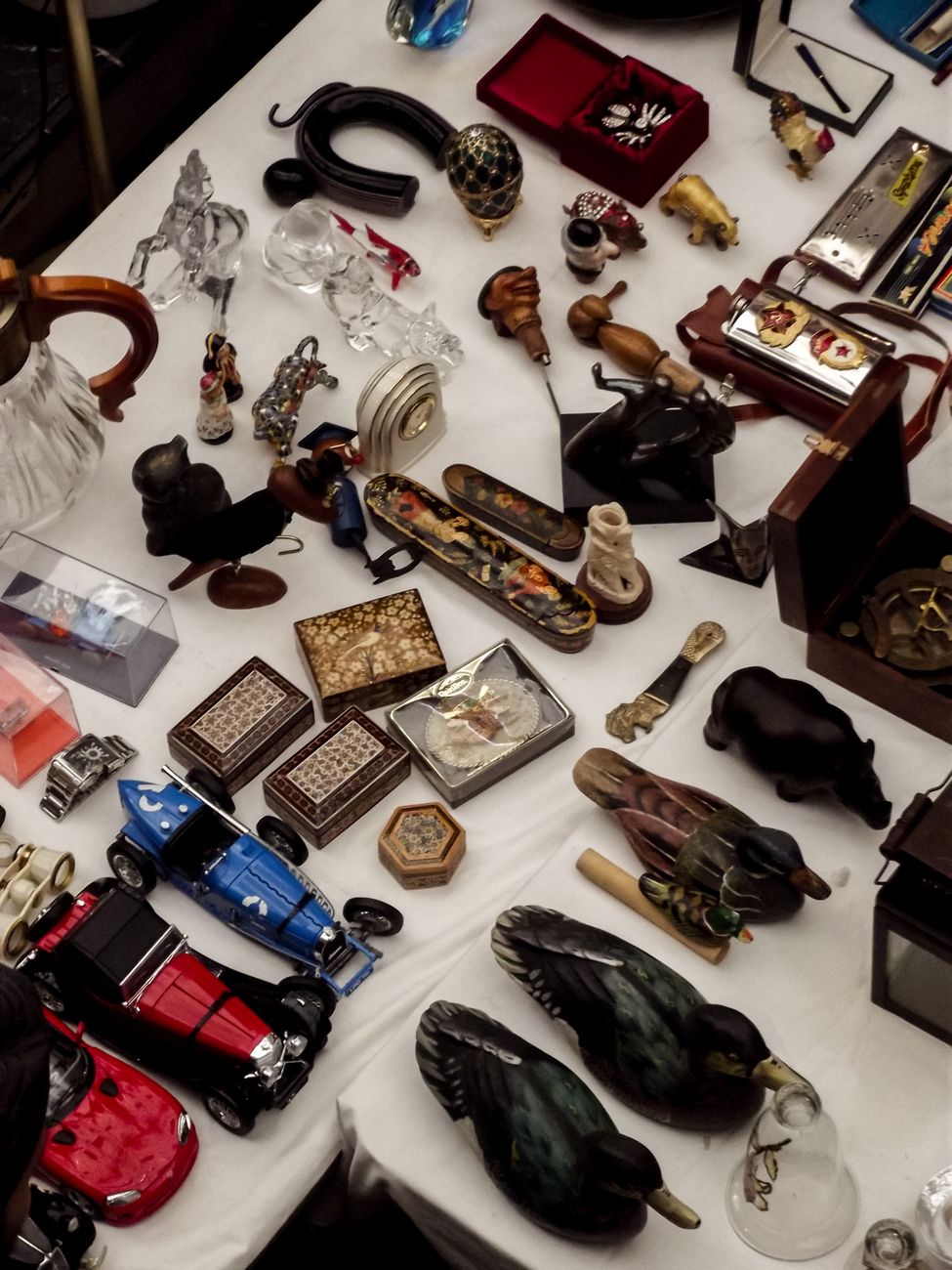
The world of vintage collecting has transitioned from a niche hobby into a sophisticated asset class. As traditional markets fluctuate, many investors are turning toward tangible goods that possess historical significance, scarcity, and enduring cultural appeal. Selecting the right vintage items requires a balance of market knowledge, historical context, and a keen eye for condition.
Table of Contents
Understanding the Fundamentals of Vintage Value
The value of a vintage collectible is rarely accidental. It is typically determined by a combination of rarity, condition, and provenance. Rarity is the most obvious driver; items produced in limited quantities or those that have survived in pristine state over several decades naturally command higher prices.
Provenance, or the documented history of an item, adds layers of value. An object with a verified history—such as being part of a well-known collection or featuring in a historical event—often experiences significant appreciation. Condition reports are equally vital. In the vintage market, minor repairs or signs of wear can drastically reduce the market value of an item, making the search for “new old stock” or museum-quality pieces a primary objective for serious collectors.
High-Potential Categories for Modern Collectors
Certain categories have demonstrated consistent growth due to their cultural resonance and the aging demographics of collectors who now have the disposable income to acquire items from their youth.
Rare Vinyl Records and Audio Equipment
The resurgence of analog audio has fueled a robust market for first-pressing vinyl records. Collectors specifically look for early pressings of iconic albums, particularly those in near-mint condition with original inserts. Beyond the records themselves, vintage high-fidelity audio equipment—such as tube amplifiers from the 1960s and 1970s—is highly sought after for both the aesthetic appeal and the warmth of the sound produced.
Mid-Century Modern Furniture
Design remains a pillar of the vintage market. Furniture produced between the 1940s and 1960s, characterized by clean lines and functionalism, continues to be a staple in high-end interior design. Pieces by renowned designers or manufactured by iconic firms carry a “brand” recognition that ensures liquidity in the secondary market. Authentication is critical here, as high-quality replicas can often deceive the untrained eye.
Vintage Timepieces
Mechanical watches remain one of the most reliable stores of value in the collectible world. Focus typically centers on brands with historical significance, specifically those with in-house movements and limited production runs. Factors such as the original dial, unpolished cases, and original paperwork can mean the difference between a standard vintage piece and a high-value investment grade watch.
Classic Video Games and Consoles
The gaming market has matured, with titles from the 8-bit and 16-bit eras reaching record-breaking prices at auction. Sealed, graded games in perfect physical condition are treated similarly to fine art. The key to this market is the “grading” process, where professional third-party services evaluate the state of the packaging, providing a standardized score that facilitates transparent trading.
Comparative Overview of Vintage Collectibles
| Category | Typical Appreciation Driver | Market Liquidity | Entry Barrier |
|---|---|---|---|
| Vinyl Records | Rarity of pressing | High | Low |
| Mid-Century Furniture | Designer provenance | Medium | High |
| Vintage Watches | Mechanical complexity | High | High |
| Video Games | Grading score | High | Medium |
| Fine Art Prints | Artist reputation | Medium | Medium |
Strategies for Assessing Authenticity and Condition
Before making a significant purchase, conducting due diligence is non-negotiable. The vintage market is prone to sophisticated forgeries, particularly in sectors like fine art, sports memorabilia, and high-end watches.
- Request Independent Appraisals: Never rely solely on the seller’s assessment. Utilize reputable third-party authenticators who specialize in the specific category.
- Study Market Trends: Use auction results databases to track the performance of specific items over time. Understanding the “hammer price” versus the “asking price” provides a realistic view of market demand.
- Prioritize Condition: When budget allows, always choose the best condition item available. A single perfect item is generally a better investment than three mediocre ones.
- Maintain Records: Create a comprehensive file for every acquisition, including receipts, certificates of authenticity, and any available historical documentation. This simplifies future sales and insurance appraisals.
The Role of Grading Services
In the modern vintage landscape, third-party grading has become the gold standard for many collectibles. These services provide an objective assessment of an item’s condition, which is then sealed in a tamper-evident holder. This process removes the subjectivity from the transaction, allowing buyers and sellers to trade based on a standardized grade rather than personal interpretation. For items like trading cards, comic books, and video games, having a professionally graded item is often a prerequisite for serious investment.
Frequently Asked Questions (FAQ)
What is the most important factor when starting a vintage collection?
Focus on quality over quantity. It is better to own one high-quality, authentic piece than a large volume of low-value items. Knowledge of the specific niche is the greatest tool for mitigating risk.
How do I protect my vintage investments?
Proper storage is essential. This includes climate control to prevent humidity damage, UV-protected lighting to prevent fading, and secure, insured storage solutions for high-value items.
Is it better to buy from auctions or private dealers?
Both have advantages. Auctions offer transparency and competitive pricing, while reputable private dealers often provide curated selections and personalized expertise. Beginners should explore both to understand the pricing structure of their chosen category.
How often should I have my collection appraised?
For insurance purposes, an appraisal every three to five years is recommended. If the market for a specific category experiences a sudden surge or shift, an interim appraisal may be necessary to ensure adequate coverage.
Conclusion and Next Steps
Building a portfolio of vintage collectibles is a long-term commitment that rewards patience and research. By focusing on categories with historical permanence, verifying authenticity through experts, and maintaining items in top-tier condition, collectors can secure assets that often outperform traditional financial vehicles.
The next step for any aspiring collector is to narrow the focus. Select one category that aligns with personal interest and begin by observing auction trends and reading specialized literature. Consistent monitoring of market shifts will develop the intuition required to spot undervalued items. Remember that the vintage market is global; digital platforms have made it easier than ever to access international auctions, increasing the opportunity to find rare pieces. With a structured approach, collecting vintage items serves as both a rewarding intellectual pursuit and a prudent strategy for wealth diversification.
Frequently Asked Questions (FAQ)
Q: What is the difference between vintage and retro design?
A: “Vintage” generally refers to authentic items that are at least 20 to 100 years old, representing the era they were made. “Retro” refers to modern designs that imitate styles of the past.
Q: Why is mid-century modern design still popular today?
A: Mid-century modern design remains highly popular due to its emphasis on clean lines, organic curves, structural functionality, and timeless integration of indoor and outdoor living spaces.
Q: How can I integrate vintage collectibles into a modern home?
A: You can integrate vintage items by using them as accent statement pieces, blending them with neutral modern palettes, or repurposing old items (like retro radios) as functional decor.


1 Comment
Pingback: The Revival of Style: Popular Vintage Fashion Trends Making a Comeback – Anemoia