

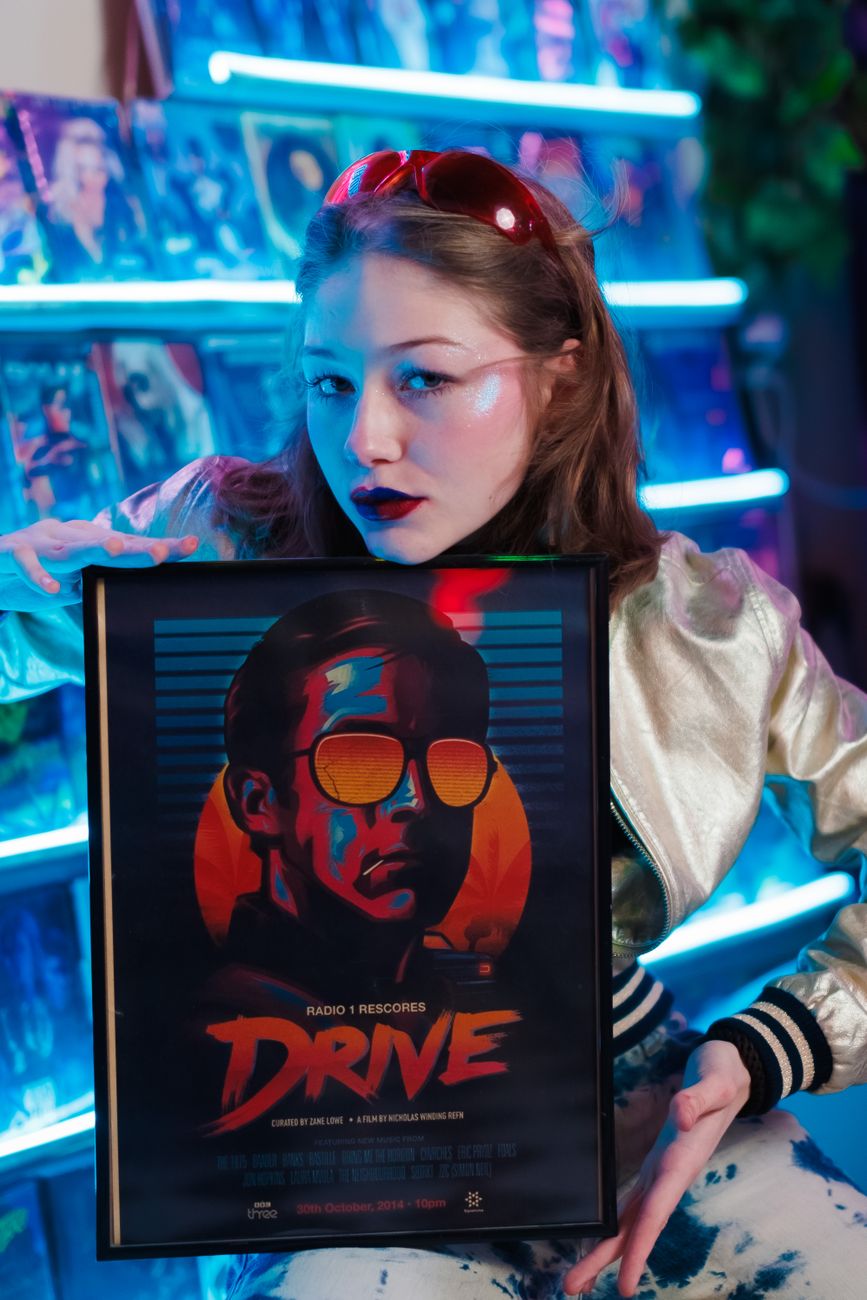
The landscape of science fiction cinema underwent a massive transformation during the mid-20th century. While modern films rely heavily on computer-generated imagery, retro science fiction focused on practical effects, philosophical inquiry, and the limitations of the era to build immersive worlds. Revisiting these films provides more than just a sense of nostalgia; it offers a look at how past generations envisioned the future, technology, and the ethical dilemmas of progress.
Table of Contents
- The Philosophical Weight of Classic Sci-Fi
- Essential Retro Masterpieces
- Comparison of Retro Sci-Fi Themes
- The Art of Practical Effects
- Analyzing Narrative Structure in Retro Films
- Evaluating the Impact of Retro Sci-Fi on Modern Culture
- Frequently Asked Questions
- Final Reflections on Cinematic History
The Philosophical Weight of Classic Sci-Fi
Early science fiction films often prioritized concepts over spectacle. When viewing movies from the 1950s through the 1980s, the focus remains on how humanity interacts with the unknown. These narratives often explore the fragility of human existence when confronted with alien intelligence or unchecked technological advancement.
- Existential Inquiry: Themes regarding the soul, consciousness, and what defines a human being are recurring motifs.
- Social Commentary: Many retro films utilized the genre to reflect contemporary anxieties regarding the Cold War, environmental degradation, and rapid industrialization.
- Pacing and Atmosphere: Unlike the rapid-fire editing styles of current blockbusters, older films allow for slower, more deliberate world-building that rewards attentive viewers.
Essential Retro Masterpieces
Selecting films for a second viewing requires looking for those that offer depth beyond their initial entertainment value. Certain movies hold up due to their visionary direction, groundbreaking production design, and thematic complexity.
The Visionary Scope of 2001: A Space Odyssey
Stanley Kubrick’s exploration of human evolution remains a benchmark for the genre. Its commitment to scientific accuracy—relative to the knowledge available in the late 1960s—and its minimal reliance on dialogue create an experience that changes upon every viewing. The film demands focus, inviting the viewer to interpret its abstract imagery and non-linear narrative progression.
The Urban Dystopia of Blade Runner
This film redefined the visual language of the future. By blending film noir aesthetics with high-concept science fiction, it created a blueprint for the cyberpunk genre. Its questions regarding artificial life and the nature of memories are just as relevant today as they were upon its release. The attention to detail in the set design continues to influence modern filmmakers.
The Psychological Horror of The Thing
John Carpenter’s masterpiece serves as a masterclass in practical special effects. By focusing on paranoia and isolation, the film creates a suffocating tension that digital effects often struggle to replicate. The practical creature designs have an organic, tactile quality that remains unsettling, demonstrating the effectiveness of physical artistry in film production.
Comparison of Retro Sci-Fi Themes
The following table highlights the distinct thematic focuses of influential retro science fiction films.
| Film Title | Primary Theme | Visual Style | Legacy Impact |
|---|---|---|---|
| 2001: A Space Odyssey | Human Evolution | Minimalist/Grand | Defined space realism |
| Blade Runner | Artificial Identity | Cyberpunk Noir | Established aesthetic trends |
| The Thing | Paranoia/Isolation | Practical Horror | Set standard for creature effects |
| Forbidden Planet | Scientific Hubris | Technicolor/Retro | Influenced modern space opera |
| Solaris | Human Memory | Melancholic/Slow | Explored psychological depth |
The Art of Practical Effects
One of the primary reasons to revisit retro science fiction is the craftsmanship involved in physical production. Before the digital era, filmmakers relied on matte paintings, miniature models, and intricate makeup effects. These techniques forced a level of creativity that often resulted in unique, tangible textures.
Miniature models, for instance, were often built with incredible precision to look like massive structures. When filmed with specific lighting and camera angles, these models possessed a weight and scale that grounded the films in a believable reality. This physical presence creates a distinct visual rhythm that modern viewers may find refreshing compared to the smooth, often glossy appearance of contemporary digital environments.
Analyzing Narrative Structure in Retro Films
Retro science fiction often utilized a “slow burn” approach to storytelling. Instead of front-loading the action, these films frequently dedicated significant time to establishing the environment and the internal logic of the world. This structure allows the audience to become accustomed to the rules of the universe before the central conflict reaches its peak.
- World-Building: Authors and directors spent time establishing the societal norms of the future.
- Character Development: Protagonists were often written as relatable figures caught in extraordinary circumstances, rather than invincible archetypes.
- Thematic Resolution: Many of these films opted for ambiguous or thought-provoking endings rather than tidy, action-oriented conclusions.
Evaluating the Impact of Retro Sci-Fi on Modern Culture
The influence of these films extends far beyond their initial release dates. Concepts introduced in retro cinema have become foundational elements of current scientific and sociological discussions. From the ethical implications of artificial intelligence to the exploration of deep space, these films acted as a sandbox for societal debate.
When watching these films again, it is useful to consider the historical context of their production. Understanding the limitations of the era highlights the ingenuity of the creative teams. They were forced to solve problems in ways that modern filmmakers, with infinite digital resources, rarely encounter. This constraint-driven innovation is a significant part of why these films maintain their status as classics.
Frequently Asked Questions
Why do retro science fiction movies often feel different from modern films?
Retro science fiction movies were generally produced with practical effects and a slower pacing style. The lack of digital intervention meant that every element on screen—from costumes to sets—had a physical presence, which gives them a distinct look and feel that differs from modern computer-generated imagery.
Are older science fiction films still relevant today?
Yes, the core themes of retro science fiction—such as the ethics of technology, the nature of consciousness, and the impact of environmental change—are arguably more relevant today than when the films were originally released.
What is the best way to approach a second viewing of a retro sci-fi film?
Approaching these films with an eye for the production design, the pacing, and the philosophical questions being asked can provide a richer experience. Rather than focusing on the action, pay attention to how the filmmaker uses the environment to tell the story.
How did retro filmmakers achieve realistic effects without computers?
Filmmakers used a variety of techniques, including forced perspective, high-quality miniature models, sophisticated makeup, and matte paintings. These methods required meticulous planning and coordination, often resulting in visuals that remain impressive even by modern standards.
Final Reflections on Cinematic History
Revisiting retro science fiction is an exercise in appreciating the evolution of storytelling. These films represent a period where curiosity about the future was matched only by the desire to push the boundaries of what could be shown on screen. By focusing on philosophical depth and the tangible beauty of practical artistry, these works continue to offer a profound viewing experience.
As technology continues to advance, the gap between the envisioned future of the past and the reality of the present provides a unique vantage point. Watching these films again allows for a deeper understanding of how humanity processes progress, fear, and wonder. Whether it is the cold, silent vacuum of space or the crowded, rain-slicked streets of a dystopian city, these retro classics serve as a mirror to our own aspirations and concerns. Engaging with them today is not merely an act of looking back; it is a way to better understand the trajectory of human imagination.
Frequently Asked Questions (FAQ)
Q: What is the difference between vintage and retro design?
A: “Vintage” generally refers to authentic items that are at least 20 to 100 years old, representing the era they were made. “Retro” refers to modern designs that imitate styles of the past.
Q: Why is mid-century modern design still popular today?
A: Mid-century modern design remains highly popular due to its emphasis on clean lines, organic curves, structural functionality, and timeless integration of indoor and outdoor living spaces.
Q: How can I integrate vintage collectibles into a modern home?
A: You can integrate vintage items by using them as accent statement pieces, blending them with neutral modern palettes, or repurposing old items (like retro radios) as functional decor.


1 Comment
Pingback: The Visual Language of Time: Vintage Cinema Aesthetics Every Film Lover Should Know – Anemoia