

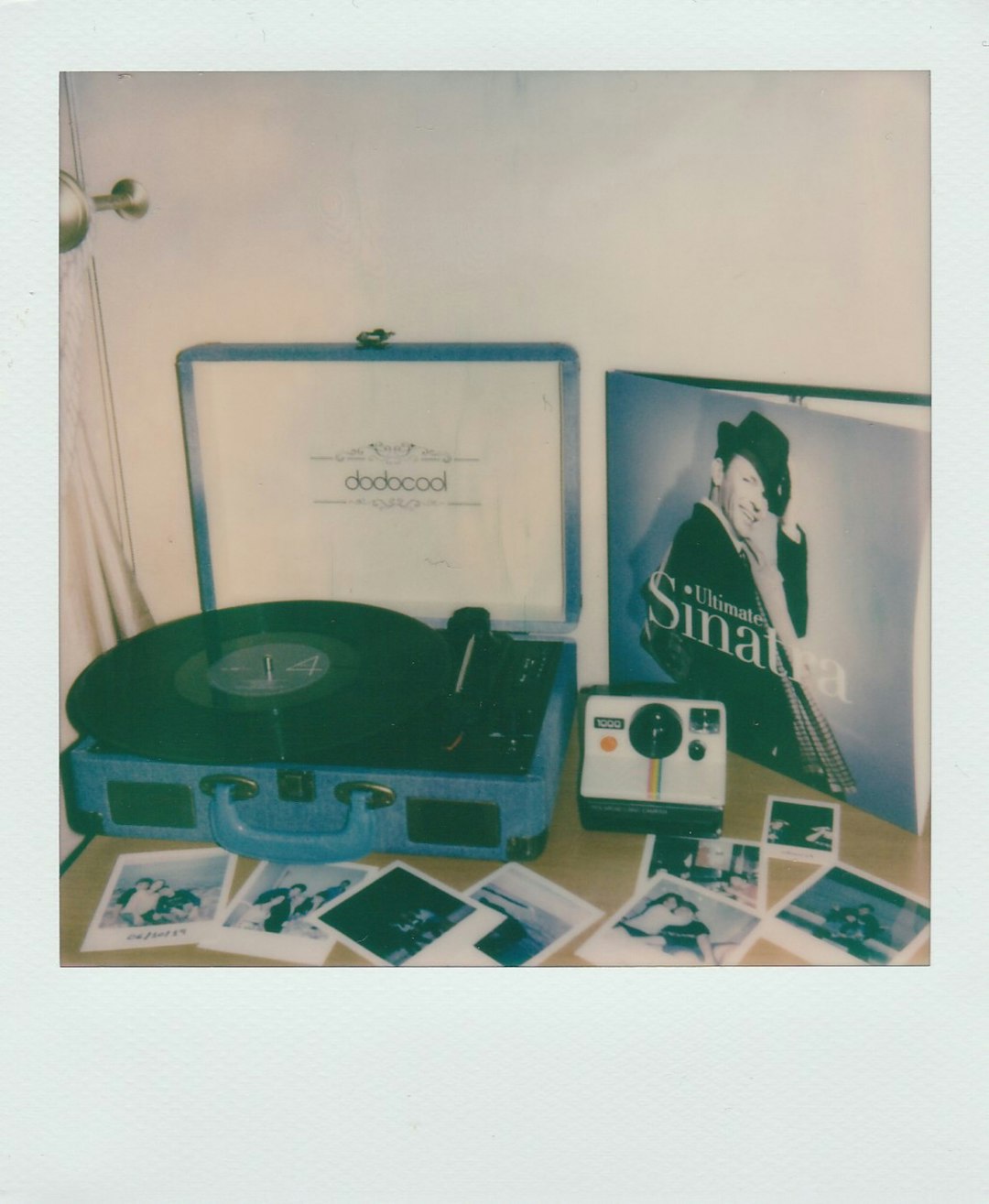
In 1688, a Swiss medical student named Johannes Hofer observed a mysterious, debilitating affliction among Swiss mercenaries stationed in foreign lands. Soldiers experienced relentless melancholia, irregular heart palpitations, weeping spells, and severe lethargy that often dissolved only upon returning to their native alpine valleys. Hofer coined a diagnostic medical term for this condition by fusing two Greek roots: nostos (homecoming) and algos (pain or grief). For nearly three centuries, nostalgia was classified as a pathological psychiatric illness. In our modern psychiatric landscape, however, nostalgia is recognized not as a disease, but as a vital psychological defense mechanism-an internal immunological buffer that stabilizes the human self in times of transition, loneliness, and societal upheaval.
Yet in our hyper-connected digital century, a fascinating evolutionary offshoot of this emotion has emerged: the sensation of aching homesickness for historical eras, places, and cultural moments that one has never personally lived through. This paradoxical phenomenon is known as Anemoia. From teenagers falling in love with 1970s Kodachrome snapshots to digital natives seeking solace in 1980s cassette tapes and 1940s film noir, anemoia reveals that human empathy and longing are not bounded by biological birthdates. In this technical inquiry, we dissect the neurological architecture, psychological theories, and cultural drivers that explain why we pine for lost eras we never witnessed.
Table of Contents
- 1. The Evolution of Nostalgia: From Military Pathology to Emotional Anchor
- 2. Defining Anemoia: The Physics of Vicarious Memory
- 3. Neurobiology of Longing: Hippocampal and Amygdala Circuitry
- 4. Typology of Nostalgic Emotion: A Comparative Matrix
- 5. The Psychological Threat Hypothesis and Modern Atomization
- 6. Sensory Archaeology: How Analog Imperfections Trigger Emotional Resonance
- 7. Frequently Asked Questions
- 8. Harnessing Anemoia as a Creative and Spiritual Sanctuary
1. The Evolution of Nostalgia: From Military Pathology to Emotional Anchor
Throughout the 18th and 19th centuries, European military physicians treated nostalgia with harsh medical therapies, including purges, bloodletting, and threats of court-martial. During the American Civil War, military doctors recorded hundreds of soldiers suffering from severe “nostalgic melancholy,” attributing the condition to physical weakness or atmospheric pressure.
The turning point arrived in the late 20th century through groundbreaking empirical investigations by social psychologists such as Constantine Sedikides and Tim Wildschut at the University of Southampton. Their studies revealed that nostalgia is an adaptive psychological resource. When humans experience loneliness, existential meaninglessness, or rapid cultural disruption, nostalgic reflection automatically deploys to restore self-continuity-the reassuring internal knowledge that one’s personal identity remains whole across the passage of time.
2. Defining Anemoia: The Physics of Vicarious Memory
The term Anemoia was coined by author John Koenig in The Dictionary of Obscure Sorrows, constructed from the Greek roots anemos (wind) and noia (mind or awareness)-evoking the sensation of ancestral memories blowing through the consciousness like wind. Unlike autobiographical nostalgia, which requires direct episodic memory of lived events, anemoia operates through vicarious cultural absorption.
When an individual absorbs historical photographs, vintage cinema, analog audio recordings, or period literature, the human brain reconstructs these narratives as if they were personal psychological coordinates. We project our contemporary emotional needs onto past eras-viewing the mid-20th century, for example, through an idealized lens of tactile simplicity, communal connection, and aesthetic warmth, while subconsciously filtering out historical hardships.
3. Neurobiology of Longing: Hippocampal and Amygdala Circuitry
Functional magnetic resonance imaging (fMRI) studies show that experiencing nostalgia activates an intricate neural network bridging memory, emotion, and physiological reward. Autobiographical recall engages the hippocampus (memory consolidation) and the parahippocampal gyrus. Simultaneously, emotional resonance is mediated by the basolateral amygdala, which evaluates emotional significance.
Crucially, nostalgic processing co-activates the brain’s reward centers: the ventral striatum and the medial prefrontal cortex. This triggers a release of dopamine and oxytocin, generating the signature bittersweet sensation-a tender fusion of joyful warmth and poignant melancholy. In the case of anemoia, the brain’s mirror neuron system and default mode network construct vivid empathetic simulations, allowing us to experience authentic emotional belonging within historical epochs we never physically inhabited.
4. Typology of Nostalgic Emotion: A Comparative Matrix
Nostalgia is not a monolithic psychological state; it manifests across distinct temporal and experiential dimensions.
| Emotional Concept | Direct Lived Experience? | Primary Cognitive Trigger | Dominant Emotional Tone | Evolutionary / Social Function |
|---|---|---|---|---|
| Personal Nostalgia | Yes (autobiographical) | Childhood scents, old home videos, old friends | Bittersweet warmth, tender longing | Maintains personal self-continuity & resilience |
| Anemoia | No (vicarious / cultural) | Vintage vinyl, 1940s noir, Kodachrome, ruins | Poignant, romantic, dreamy, wistful | Cultural empathy, aesthetic sanctuary, creative fuel |
| Historical Nostalgia | No (intellectual) | Political histories, national golden ages | Ideological reverence, solemnity | Forges collective cultural & civic identity |
| Solastalgia | Yes (environmental) | Ecological destruction of home landscape | Chronic grief, distress, mourning | Drives ecological preservation and grief processing |
5. The Psychological Threat Hypothesis and Modern Atomization
Why has anemoia reached unprecedented intensity among Generation Z and Millennials? Psychologist Clay Routledge’s “Psychological Threat Hypothesis” provides compelling answers. Whenever individuals encounter psychological threats-such as hyper-accelerated technological change, social isolation, economic uncertainty, or existential nihilism-the mind instinctively reaches backward for equilibrium.
Modern society is frictionless and digitally mediated; human connection occurs through flat glass screens, algorithms dictate attention spans, and physical spaces have become sterile and commodified. Anemoia functions as a psychological protest. pining for eras characterized by rotary telephones, vinyl records, hand-written letters, and walkable neighborhoods is a rebellion against the sensory starvation and loneliness of modern atomized life.
6. Sensory Archaeology: How Analog Imperfections Trigger Emotional Resonance
Anemoia is rarely awakened by pristine historical statistics; it is ignited by tactile, analog sensory markers. Optical and acoustic imperfections act as emotional shortcuts to authenticity:
- Analog Film Grain and Faded Dyes: The warm amber shifts of Kodachrome or the organic silver grain of 35mm photography communicate human presence, fragility, and the slow passage of time.
- Acoustic Warmth and Vinyl Dust: The mechanical surface noise of a 33 RPM record or the gentle saturation of magnetic tape reminds the subconscious mind that a physical physical object was struck to produce the sound.
- Patina and Tactile Wear: Scratched leather jackets, aged wooden furniture, and weathered architectural stone carry the physical imprint of human hands, grounding us in an enduring continuum of human craftsmanship.
7. Frequently Asked Questions
Is anemoia an officially recognized psychological diagnosis?
No. Anemoia is not a disorder in the DSM-5; it is a recognized emotional state and cultural phenomenon explored by social psychologists, sociologists, and aesthetic philosophers studying modern nostalgia.
Can anemoia be harmful to mental health?
Only if it descends into maladaptive escapism-where an individual completely rejects their contemporary reality, refuses to engage with modern responsibilities, or falls prey to reactionary political myths of a fictionalized past. Healthy anemoia, by contrast, serves as creative inspiration and emotional grounding.
Why are younger generations nostalgic for the 1980s and 1990s?
Sociologists note that the late 20th century represents the last era before the total ubiquity of smartphones and social media. Young people are drawn to a time when technology served human utility without surveilling human existence every second.
How does anemoia differ from simple historical interest?
Historical interest is intellectual, academic, and analytical. Anemoia is deeply visceral and emotional-it is the sensation of feeling a personal, heartfelt longing or homesickness for an era, rather than merely studying its dates and treaties.
What is transgenerational nostalgia?
Transgenerational nostalgia occurs when emotional associations and stories are passed down from parents and grandparents through oral storytelling, shared musical records, and family heirlooms, instilling deep fond feelings for an era the younger generation never saw firsthand.
Why does vintage media often feel more “human” than digital media?
Vintage media requires physical physical interaction-threading tape, focusing manual optical lenses, flipping record vinyl. The physical constraints and organic flaws reflect human imperfection, whereas digital algorithms often feel sterile, corporate, and over-optimized.
How can someone channel anemoia positively?
By translating that aesthetic longing into creative craftsmanship: collecting analog vinyl, practicing darkroom photography, restoring vintage architecture, or infusing modern work with the warmth, intention, and durability of bygone eras.
8. Harnessing Anemoia as a Creative and Spiritual Sanctuary
Ultimately, the anatomy of nostalgia reveals that the human mind does not live exclusively in the present. We are creatures of memory, myth, and imagination. Far from a retreat into the past, anemoia is an affirmation of what makes us profoundly human: our capacity to transcend our mortal lifespans and discover love, beauty, and emotional peace across the vast river of human history. By honoring the echoes of the past, we build a warmer, more soulful present.

