


The contemporary marketplace is saturated with sleek, mass-produced minimalism and ultra-modern digital interfaces. Yet, a counter-movement thrives quietly in homes, fashion districts, and specialty markets worldwide. People increasingly surround themselves with artifacts from decades or even centuries past. This persistent fascination with historical craftsmanship raises a compelling question regarding human consumer behavior. The enduring attraction toward vintage objects and old designs transcends mere nostalgic whim. It reflects a deeper cultural dialogue about durability, authenticity, and individuality in an era defined by rapid technological obsolescence and homogeneous manufacturing standards.
The Mechanics of Tactile Permanence in a Digital Age
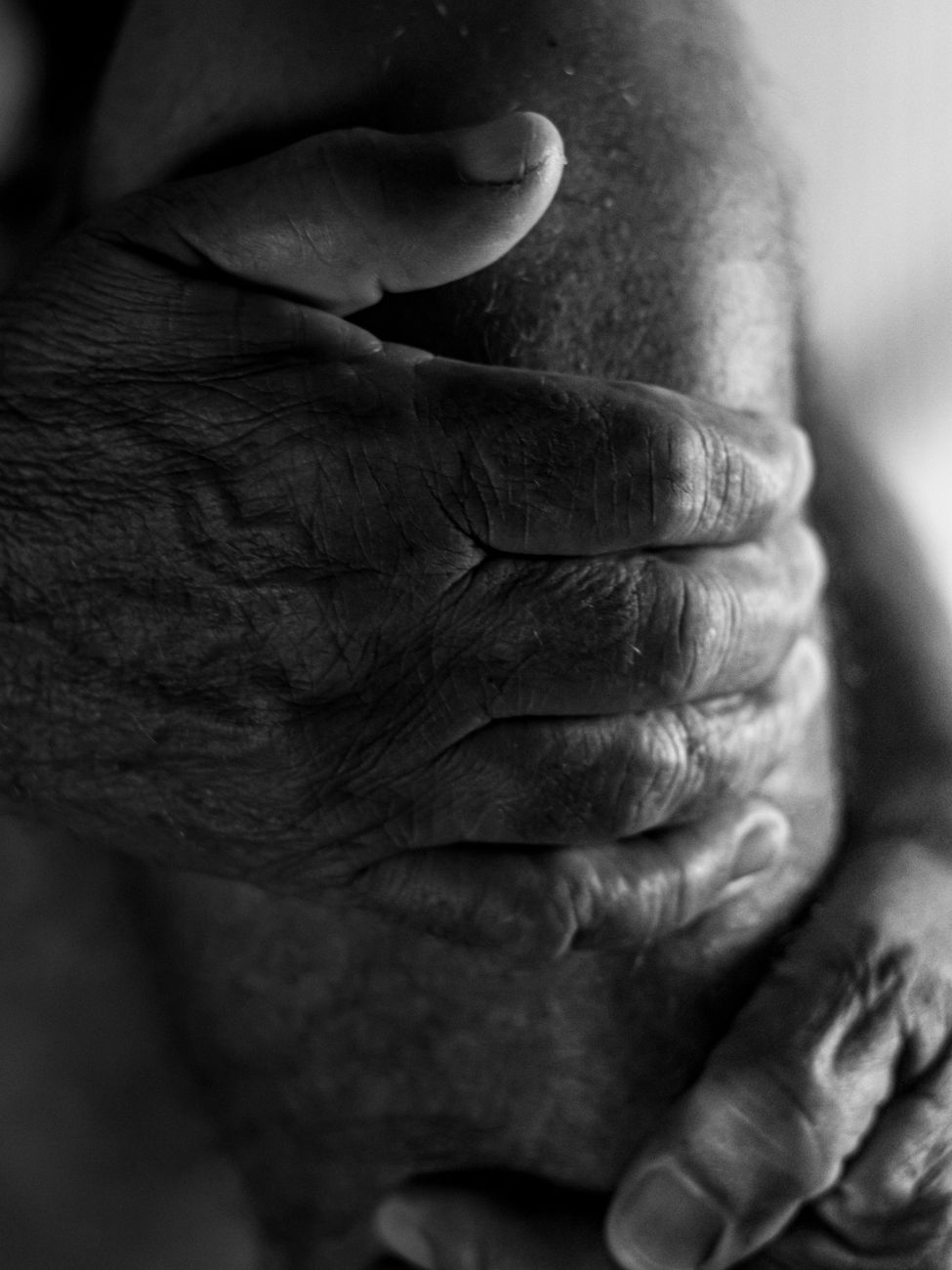
Human sensory processing relies heavily on physical interaction with the environment. Contemporary daily life revolves around smooth glass screens, algorithmic feeds, and lightweight plastics that offer identical tactile feedback regardless of the device. This sensory homogenization creates an underlying psychological fatigue. Vintage objects and old designs provide a necessary antidote through substantial weight, textured surfaces, and visible evidence of physical construction.
Consider the difference between typing on a modern membrane keyboard and operating a mid-century mechanical typewriter. The mechanical model demands deliberate physical force, rewards the user with a distinct auditory report, and exhibits mechanical complexity through exposed moving parts. This physical engagement anchors the user in the present moment, satisfying a cognitive need for tangible reality. Sociological research published by organizations studying consumer trends indicates that tactile fatigue directly correlates with the rising popularity of analog goods. When items possess heft, grain, and structural permanence, they signal reliability to the human brain, which evolved to evaluate physical safety and utility through sensory touchpoints.
Craftsmanship, Durability, and the Anti-Disposable Ethos
Modern retail models frequently rely on planned obsolescence, a manufacturing strategy where products are intentionally designed with a limited lifespan to encourage continuous repurchase cycles. In contrast, historical artifacts were built under different economic and material constraints. Furniture from the Victorian era, mid-century lighting fixtures, and cast-iron kitchenware from the early twentieth century were engineered to last across multiple generations.
Examining construction methodologies reveals why older goods retain structural integrity decades after production. Traditional joinery techniques, such as dovetail and mortise-and-tenon joints, distribute physical stress evenly across wooden frames without relying on synthetic adhesives or fragile metal brackets. Materials were selected for intrinsic quality rather than cost optimization. Solid hardwoods, heavy-gauge brass, and hand-blown glass develop a natural patina over time instead of deteriorating into unsightly wear.
This longevity fosters an alternative economic perspective. Acquiring durable historical items aligns with sustainability movements that reject single-use consumption. Consumers evaluate the lifecycle cost and environmental footprint of their purchases, finding that older goods offer superior long-term value. This shift represents a rejection of the landfill-bound culture promoted by fast-fashion and flat-pack furniture industries.
Visual Contrast and the Psychology of Eclectic Spaces
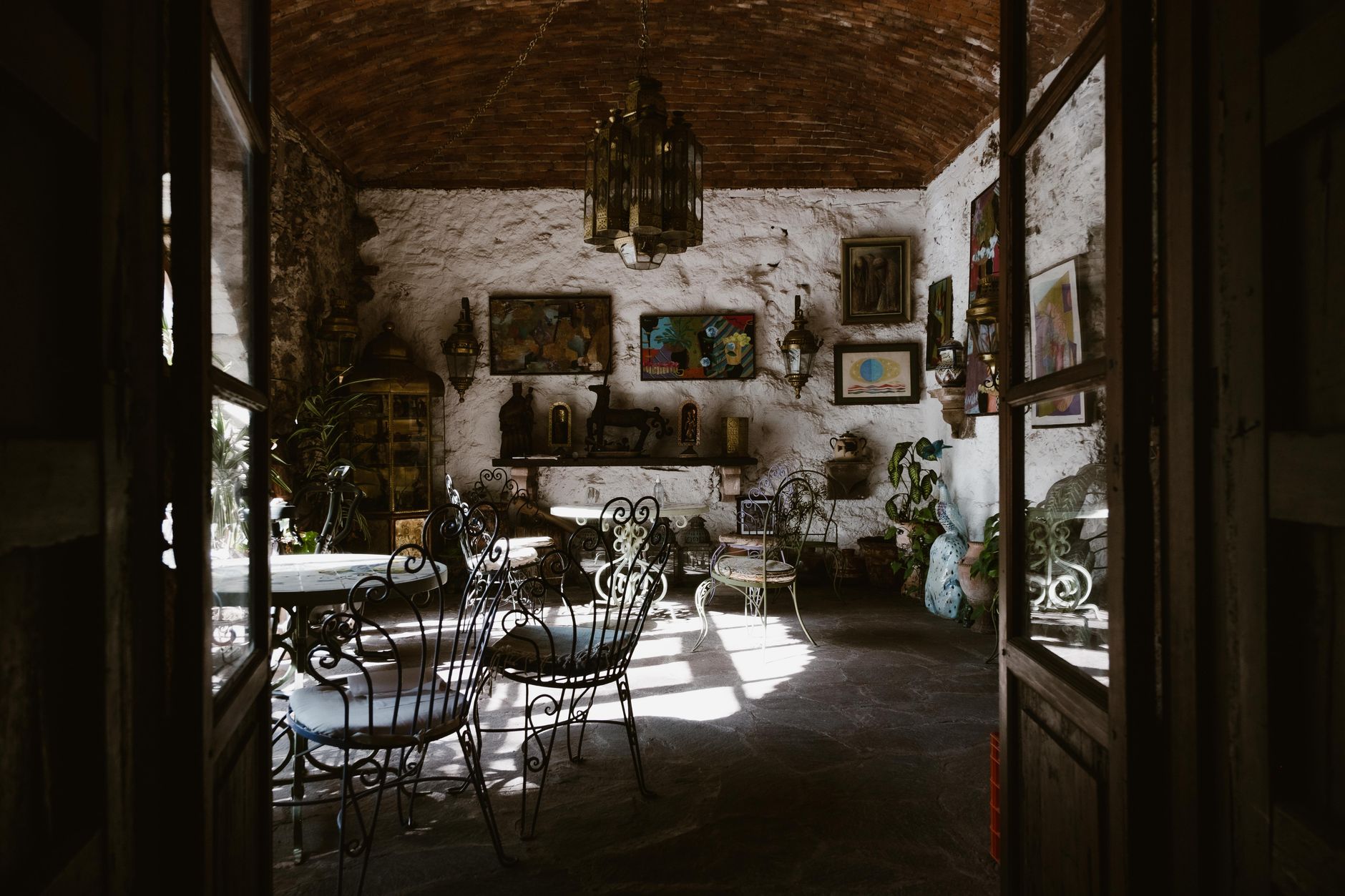
Interior design heavily influences psychological well-being by shaping the domestic environment. Uniformly modern interiors, characterized by stark white walls, minimalist metal frames, and identical modular seating, can inadvertently induce feelings of sterility or emotional detachment. Integrating vintage objects and old designs introduces necessary visual friction and historical depth into living spaces.
Design theorists frequently employ the concept of visual layering to explain the success of eclectic interiors. A room featuring a clean-lined contemporary sofa paired with an Edwardian walnut side table and a 1970s ceramic lamp creates a dynamic spatial dialogue. The juxtaposition prevents stagnation, allowing each item to stand out through contrast.
Furthermore, historical designs often incorporate organic ornamentation, asymmetrical motifs, and rich color palettes that mirror natural patterns. Biophilic design principles suggest that humans respond positively to forms found in nature, which traditional craftspeople frequently integrated into their work through floral carvings, hand-forged scrollwork, and earthy glazes. By incorporating these elements, interiors regain a sense of warmth and human scale that sleek industrial manufacturing occasionally overlooks.
Comparison of Design Eras: Modern vs. Vintage Characteristics
| Feature / Attribute | Contemporary Mass-Produced Design | Vintage and Historical Design |
|---|---|---|
| Primary Materials | Engineered woods, plastics, aluminum, synthetic laminates | Solid hardwoods, cast iron, brass, hand-blown glass |
| Construction Method | Cam-lock fasteners, automated assembly, glued joints | Dovetail joints, hand-riveting, mortise-and-tenon |
| Lifespan Expectancy | Short to medium (5 to 10 years) | Multi-generational (decades to centuries) |
| Production Scale | High-volume automated manufacturing | Limited batch, workshop-based, or artisanal creation |
| Aesthetic Evolution | Smooth, minimalist, homogeneous | Textured, patinated, culturally contextualized |
| Repairability | Low (components often sealed or proprietary) | High (standardized screws, accessible internal mechanics) |
The Role of Personal Identity and Narrative in Material Culture
Possessions function as external extensions of personal identity. In a globalized market where identical goods are accessible simultaneously across continents, acquiring mass-market items offers limited opportunities for self-expression. Vintage objects and old designs solve this dilemma by introducing rarity and narrative into personal collections.
Every historical artifact carries an implicit narrative shaped by its previous context of use, manufacturing origin, and signs of wear. When individuals integrate these items into their daily environments, they curate a distinct personal narrative that diverges from corporate marketing scripts. This behavior reflects psychological research on extended self-theory, which posits that people define their identity through the objects they collect and display.
Moreover, the search for unique historical items transforms consumption from a passive retail transaction into an active treasure hunt. Sifting through estate sales, specialized antique markets, and curated online archives requires specialized knowledge regarding historical periods, maker marks, and material identification. This investigative process transforms the final acquisition into a personal achievement, deepening the psychological attachment between the owner and the object.
Frequently Asked Questions
Why are younger demographics increasingly interested in vintage objects and old designs?
Younger consumers often experience digital saturation and economic volatility, making them value permanence, sustainability, and financial prudence. Vintage items offer high material quality at competitive price points while fulfilling a desire for distinctive personal expression that contrasts with uniform mass-market aesthetics.
Does incorporating vintage objects require a complete historical interior theme?
Effective interior design typically benefits from contrast rather than strict period replication. Combining historical accent pieces with contemporary architecture creates layered, visually dynamic spaces that feel curated rather than like a museum exhibit.
How can buyers determine the authenticity and quality of a vintage item?
Authenticity and quality assessment involve examining construction techniques, such as checking for traditional joinery in furniture, maker stamps on ceramics and silver, and the weight and composition of metal components. Evaluating the natural wear patterns also helps distinguish genuine historical items from contemporary reproductions.
Are vintage objects more environmentally sustainable than new purchases?
Acquiring pre-owned goods diverts items from waste streams and eliminates the resource extraction, manufacturing emissions, and global shipping impacts associated with producing new consumer goods. This circular economy model significantly reduces overall ecological footprints.
Conclusion
The enduring fascination with vintage objects and old designs is neither a passing aesthetic trend nor a superficial retreat into the past. It represents a rational, psychologically grounded response to the homogeneity, impermanence, and digital abstraction of contemporary life. By prioritizing tangible craftsmanship, structural durability, and narrative depth, historical artifacts fulfill fundamental human needs for connection, individuality, and environmental responsibility.
As material culture continues to evolve, the appreciation for objects that bear the marks of time and human labor remains steadfast. Integrating these enduring designs into modern spaces provides a vital bridge between historical wisdom and contemporary living, ensuring that past craftsmanship continues to shape the future of human habitation.

