


Historic spaces function as physical archives where communities anchor their collective narratives. When people walk through ancient cobblestone streets, stand inside centuries-old town halls, or view vernacular architecture, they engage with tangible evidence of past human experiences. These physical environments do more than provide aesthetic value; they act as spatial anchors for local cultural identity. Heritage conservation ensures that urban landscapes and rural landmarks retain the physical markers necessary for intergenerational storytelling. Without these persistent structures, community memories risk fading into abstract historical summaries rather than remaining lived, observable realities.
The Architecture of Collective Memory
The built environment serves as a primary canvas for the externalization of cultural memory. Architectural styles, urban layouts, and public monuments reflect the socioeconomic values, technological capacities, and artistic expressions of past eras. When municipal planners preserve historical districts, they maintain a visual dialogue between past occupants and contemporary residents. This continuity supports a sense of place, which environmental psychologists define as the emotional bond between people and their geographic settings. Urban conservation frameworks managed by organizations like the National Trust for Historic Preservation demonstrate that maintaining structural integrity safeguards the intangible heritage embedded within everyday streetscapes.
For example, the preservation of industrial heritage sites transforms abandoned factories and mills into museums or cultural centers. These transformations communicate the labor history, economic shifts, and working-class struggles that shaped specific regions. Visitors do not simply read about industrialization; they observe the scale of production spaces, the materials used in construction, and the spatial organization of labor. This observational depth reinforces historical literacy far more effectively than standard textbook narratives.
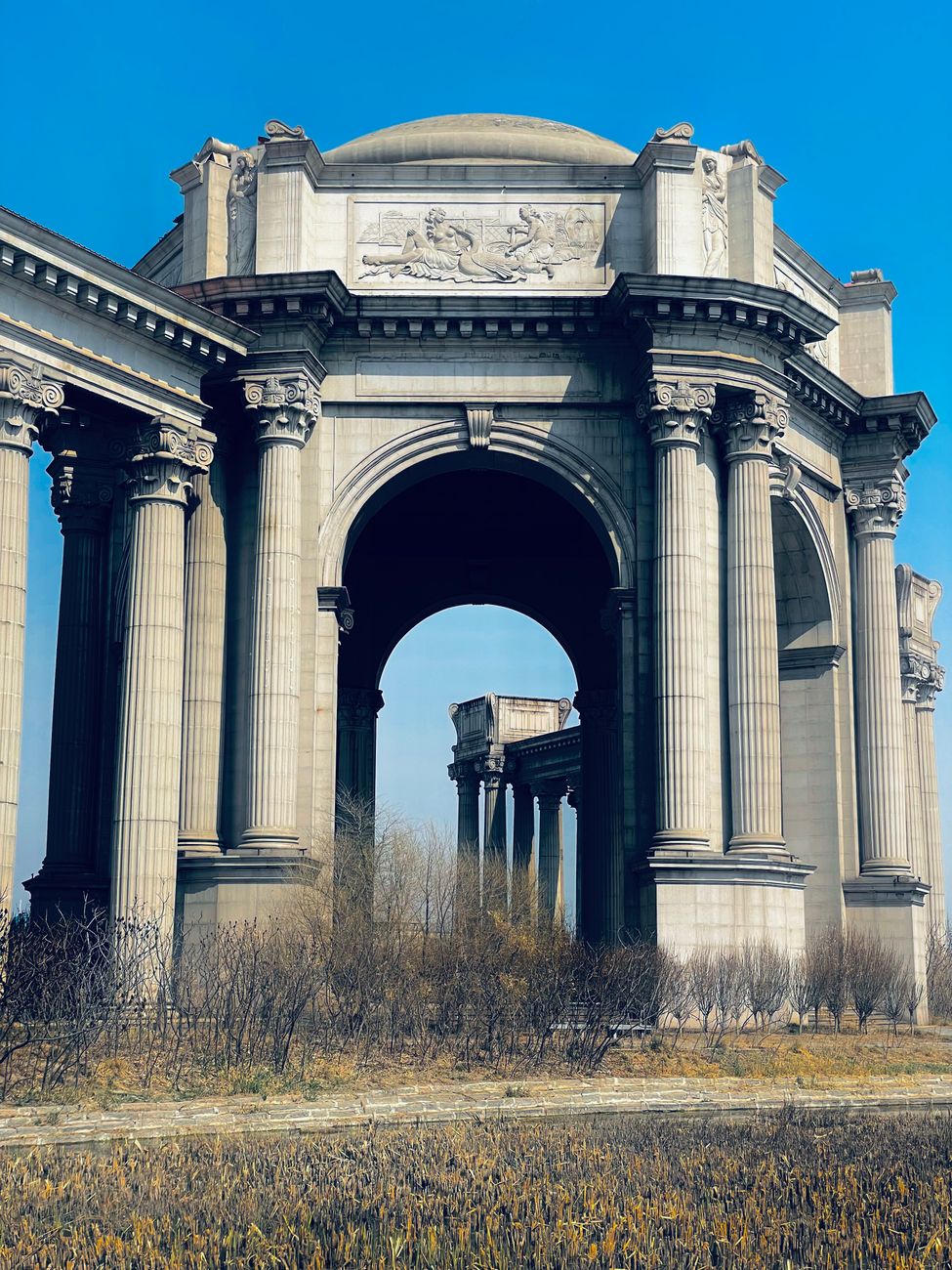
Cultural Landscapes and Vernacular Heritage
Cultural landscapes encompass spaces modified by human activity that reveal the relationship between communities and their natural surroundings. These landscapes include agricultural terraces, sacred groves, indigenous settlement patterns, and traditional market squares. UNESCO’s cultural landscape designations emphasize that these areas encapsulate the intangible traditions, folklore, and agricultural knowledge of regional populations.
When local authorities protect vernacular architecture—structures built using local materials and traditional techniques—they validate the ancestral knowledge of regional builders. This form of heritage conservation maintains ecological wisdom passed down through centuries. For instance, traditional dry-stone walling techniques found across various global regions provide structural durability while managing watershed runoff. Preserving these sites ensures that modern engineers and environmental scientists can study sustainable historical practices.
Community Rituals and Immersive Heritage Sites
Historic places derive a significant portion of their preservation value from their ongoing use as settings for communal rituals, festivals, and civic gatherings. A historic town square or temple courtyard facilitates collective participation in cultural traditions, binding current generations to historical predecessors. The intangible cultural heritage—such as oral histories, music, culinary practices, and festive events—relies heavily on spatial proximity to authentic heritage sites.

Comparative Analysis of Heritage Preservation Approaches
| Preservation Approach | Primary Focus | Main Benefit | Associated Challenge |
|---|---|---|---|
| Monument Restoration | Architectural integrity of single structures | High visual impact and tourism appeal | High maintenance costs and risk of sanitizing history |
| Cultural Landscape Management | Broad ecosystems shaped by human activity | Integrates ecological and social heritage | Complex coordination among multiple landowners |
| Living History Museums | Reconstructed environments with active interpretation | High educational engagement for diverse audiences | Potential for romanticized or inauthentic representation |
| Vernacular Preservation | Everyday traditional buildings and construction methods | Validates local craftsmanship and sustainable practices | Vulnerability to rapid urban real estate development |
This comparative framework illustrates that effective heritage management requires balancing structural preservation with community utility. When historical sites remain integrated into the daily economic and social fabric of a municipality, they maintain higher relevance than cordoned-off museum artifacts.
Economic and Social Impacts of Heritage Conservation
Investing in historic preservation yields measurable socioeconomic benefits for local communities. Heritage tourism revitalizes depressed downtown areas by attracting visitors interested in authentic cultural experiences. Furthermore, adaptive reuse projects—converting historic warehouses into residential lofts or old schools into community centers—reduce carbon footprints compared to demolition and new construction. These adaptive strategies retain the embodied energy of existing buildings while keeping local history physically present in the urban core.
Sociologically, historic neighborhoods foster social cohesion. Neighborhoods featuring diverse architectural epochs tend to exhibit higher pedestrian activity, stronger civic engagement, and increased neighborhood pride. Residents living near well-maintained historical landmarks report a deeper connection to civic life, as the visible markers of the past encourage active participation in neighborhood preservation committees and local cultural boards.
Frequently Asked Questions
How do historic places differ from standard museums in preserving memory?
Historic places preserve memories in situ, meaning the stories remain attached to the exact geographic coordinates where the events occurred. Museums typically relocate artifacts from their original contexts, whereas historic buildings and landscapes offer an immersive, spatial experience that connects physical reality directly to historical narratives.
What role does local community involvement play in heritage conservation?
Community involvement ensures that preservation efforts reflect authentic local priorities rather than top-down political agendas. Residents contribute oral histories, advocate for neighborhood zoning protections, and participate in cultural events that keep historic spaces active and relevant.
How does gentrification impact historic preservation?
Gentrification often presents a dual challenge for historic neighborhoods. While economic investment can fund much-needed structural restoration, rising property values can displace long-term residents whose families generated the very cultural memories that made the neighborhood desirable. Sustainable heritage policies must balance physical preservation with affordable housing initiatives.
Why is intangible heritage closely linked to tangible historic sites?
Intangible heritage—such as traditional music, craft techniques, and seasonal festivals—requires physical venues for transmission and practice. Historic sites provide the acoustical environments, spatial layouts, and symbolic backdrops necessary for these traditions to retain their original cultural meaning.
Conclusion
The preservation of historic places is fundamentally an act of safeguarding human continuity. By maintaining the architectural integrity of buildings, managing cultural landscapes, and supporting living traditions within historic settings, communities secure their collective memories against the erosion of time. These physical spaces provide essential educational resources, foster civic pride, and anchor local cultural identity in an increasingly globalized world. Ensuring the ongoing survival of these landmarks requires balanced conservation strategies, active community engagement, and rigorous policies that value historical depth alongside modern development. Protecting historic places guarantees that future generations retain access to the tangible roots of their cultural heritage.

