

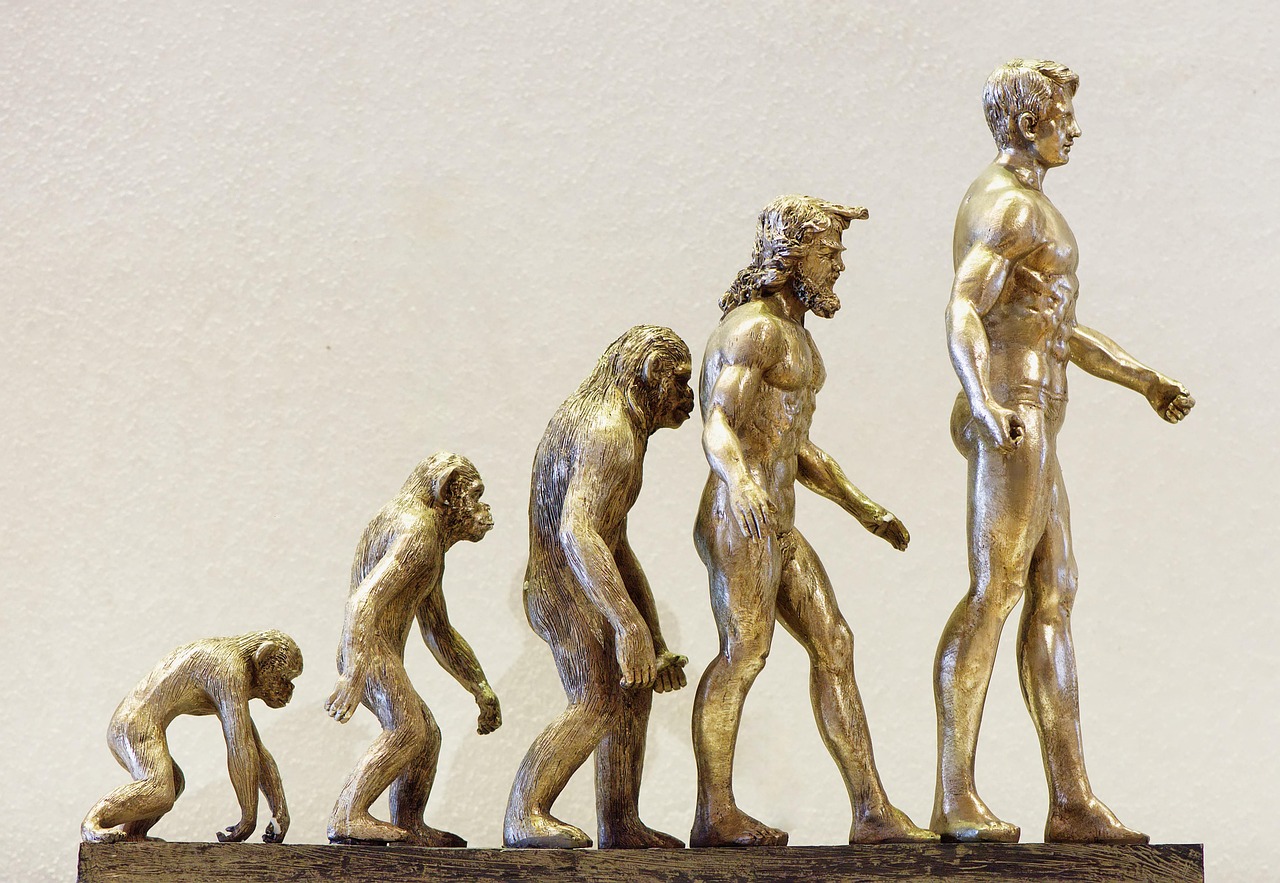
History often feels like a distant abstraction contained within the pages of heavy textbooks. Dates, names, and geopolitical borders blur together, turning monumental human events into mere memorization exercises. However, stepping foot onto actual historic locations shatters this academic detachment. When individuals stand within the Roman Colosseum, walk the quiet battlefields of Gettysburg, or observe the preserved stone foundations of Skara Brae, the past ceases to be a theoretical concept. It transforms into a physical, breathing reality. Experiencing these sites bridges the profound gap between cognitive awareness and true empathy, shifting how humanity perceives its collective timeline.
The Cognitive Shift from Text to Territory
Reading about an era provides the cognitive framework of events, but physical spaces supply the missing sensory dimensions that text fails to capture. When historical study is confined to the classroom, learners rely purely on abstract imagination. Physical immersion changes this dynamic entirely. For instance, studying medieval architecture in an illustrated manual conveys basic structural features, yet standing inside a Gothic cathedral reveals the deliberate interplay of light, height, and acoustic resonance designed to induce awe in medieval congregants.
This cognitive shift relies on spatial literacy. Architectural layouts, defensive fortifications, and urban planning offer silent testimony to the fears, ambitions, and daily routines of past populations. A military trench system viewed on a map appears as a simple geometric line, but walking its narrow, mud-lined corridors communicates the claustrophobia, tactical constraints, and psychological pressure experienced by soldiers. By engaging multiple senses—sight, sound, touch, and even smell—historic sites anchor historical data into long-term memory, converting flat narratives into multidimensional experiences.

Overcoming Presentism Through Spatial Context
A common cognitive bias in historical analysis is presentism: the tendency to judge past actions, beliefs, and societal norms through the lens of modern standards. Visiting well-preserved historical sites serves as a powerful corrective against this bias. When people explore ancient Roman aqueducts or Renaissance-era printing workshops, they confront the physical limitations and technological horizons of past eras.
Consider the logistical challenge of constructing the Great Pyramid of Giza. Reading statistics regarding block weights and labor forces provides scale, but observing the surrounding landscape, the quarry sites, and the sheer scale of the stone blocks illuminates the staggering human ingenuity and organizational capacity required. Observers realize that ancient societies were not primitive precursors waiting for modern enlightenment, but sophisticated problem-solvers operating within entirely different technological parameters. This realization fosters intellectual humility, allowing students and travelers to evaluate historical actors within their actual operational environments rather than modern expectations.
The Intersection of Memory, Material Culture, and Geography
History is fundamentally an interplay between geography and human choice. Geographic features—rivers, mountain passes, coastlines, and arable plains—have historically dictated trade routes, military campaigns, and cultural development. Traveling to historical locations demonstrates how geography acts as an active participant in historical outcomes.
The Strategic Value of Topography
Military history provides the clearest examples of geography dictating human destiny. The topography of Thermopylae, for instance, explains why a vastly outnumbered Greek force could successfully hold off the Persian army for days. Seeing the narrow coastal pass firsthand clarifies tactical decisions that seem suicidal on a flat tactical map. The physical cliff face on one side and the sea on the other created a natural bottleneck that neutralized numerical superiority.
Urban Evolution and Social Stratification
Cities themselves function as archaeological palimpsests. Walking through the historic quarters of cities like Edinburgh or Kyoto reveals how urban density, defensive walls, and zoning laws reflected social hierarchies and security concerns. Medieval streets were narrow and winding not merely due to lack of planning, but to maximize defensive viability and shelter residents from harsh winds. Analyzing these spatial arrangements helps researchers deduce economic priorities, public health challenges, and social dynamics without relying solely on written documents, which were often authored exclusively by the literate elite.
Comparative Analysis of Learning Environments
| Learning Medium | Primary Engagement Type | Strengths | Limitations |
|---|---|---|---|
| Traditional Textbooks | Cognitive, Linear | Comprehensive dates, broad chronological scope, policy overviews | Lacks sensory dimension, prone to abstract misinterpretation |
| Documentaries & Digital Media | Visual, Auditory | High production value, expert commentary, accessible archive footage | Passive consumption, lacks spatial context and scale |
| On-Site Historic Locations | Immersive, Multisensory | Tangible scale, spatial awareness, emotional connection, objective reality | Geographic barriers, preservation restrictions, variable interpretation quality |
Democratizing History Through Preservation
The democratization of historical tourism has fundamentally shifted whose stories are preserved and studied. Historically, monumental architecture—palaces, cathedrals, and fortresses—monopolized preservation efforts because they reflected the wealth and power of ruling classes. However, modern heritage management has expanded to encompass vernacular architecture, industrial work sites, and marginalized communities.
Visiting preserved working-class neighborhoods, immigrant tenements, or agricultural outposts broadens the historical narrative. When visitors tour preserved industrial revolution textile mills, they confront the harsh realities of early industrial labor, child employment, and urban overcrowding. This multi-perspective approach prevents history from becoming a selective highlight reel of kings and conquerors, ensuring that the daily struggles and contributions of ordinary people are recognized and honored.
Frequently Asked Questions
How does visiting historic locations reduce presentism in historical study?
Physical sites expose the technological limitations, environmental constraints, and material realities of past eras, helping observers understand why people made specific decisions based on their contemporary circumstances rather than modern hindsight.
Can virtual reality replace physical visits to historical sites for educational purposes?
While virtual reality and digital reconstructions offer valuable accessibility and visual engagement, they cannot fully replicate the multisensory experience, spatial scale, and emotional resonance of standing in an authentic historic environment.
Why is geography considered an active participant in history?
Natural features such as rivers, mountains, and coastlines directly influence trade routes, agricultural viability, and military strategy, often determining the success or failure of civilizations.
How has historical tourism changed in recent decades?
Modern heritage preservation has shifted away from focusing exclusively on royal palaces and elite architecture toward including working-class sites, industrial heritage, and diverse cultural narratives to provide a more inclusive historical record.
Conclusion
The pursuit of historical understanding extends far beyond academic research and classroom instruction. Visiting historic locations fundamentally alters how humanity interacts with the past, transforming abstract dates and distant events into tangible realities. By experiencing the spatial dimensions of ancient architecture, confronting the geographical constraints of past military campaigns, and engaging with the material culture of everyday people, individuals develop a deeper, more empathetic comprehension of human history. This direct engagement corrects presentist biases, bridges cultural divides, and anchors historical knowledge in sensory experience. As heritage preservation continues to evolve and embrace diverse narratives, exploring physical historical sites remains an irreplaceable method for uncovering the complexities of the human story and appreciating the foundations of the modern world.

