

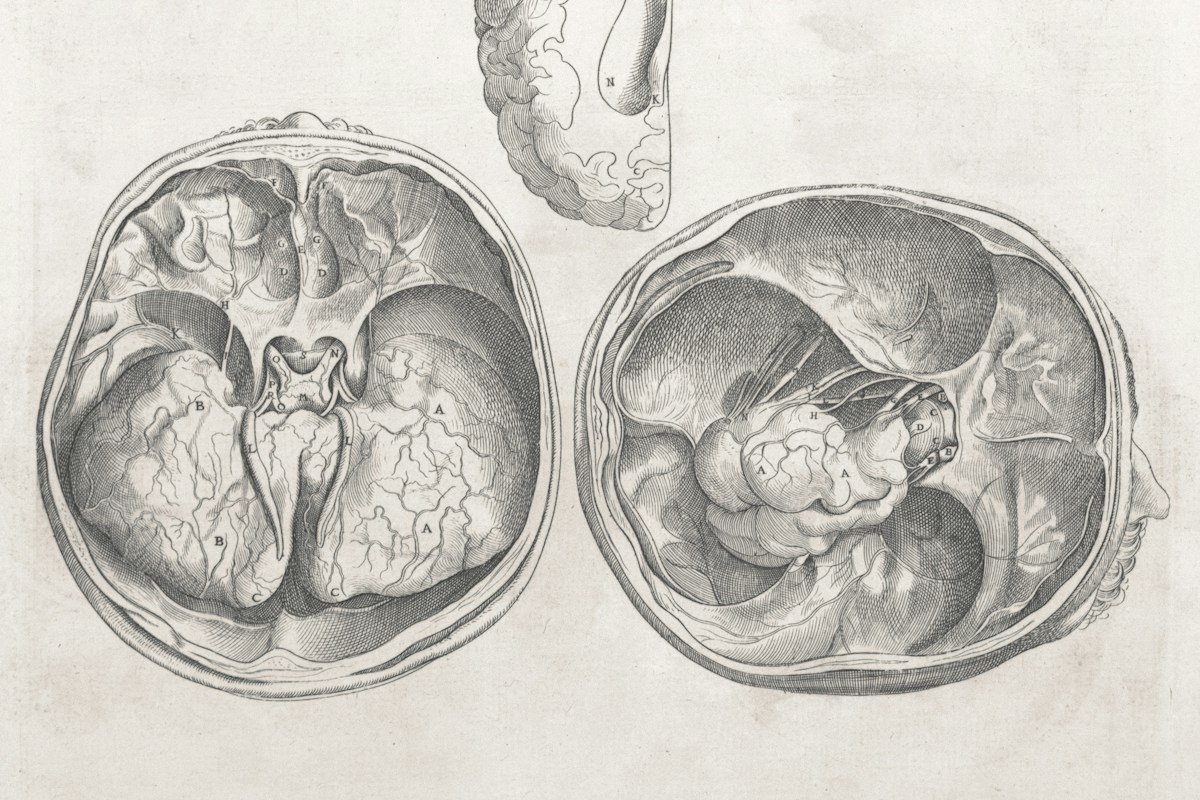
Human consciousness possesses an astonishing capacity to construct vivid emotional landscapes anchored in eras that precede biological existence. While classical psychopathology cataloged nostalgia as a homesickness tethered to lived biographical landmarks, contemporary neuroscience reveals a far more complex phenomenon known as anemoia. This distinct cognitive condition manifests as an overwhelming, bittersweet longing for a historical period one has never personally experienced. Far from being a mere whimsical daydream or romanticized fantasy, this phantom longing represents an intricate interplay of default mode network activation, autobiographical memory scaffolds, and semantic pattern synthesis. When an individual gazes at a grainy mid-century photograph or listens to the crackle of a vintage wax cylinder, specific cortical pathways ignite with the exact neural signatures typically reserved for authentic personal recollections.
The human brain is fundamentally a predictive modeling apparatus rather than a passive recording device. Rather than storing perfect reproductions of past events, our neural architecture reconstructs experiences dynamically each time a memory is recalled. When researchers at leading cognitive facilities examine these neural operations, they find that the hippocampus and parahippocampal gyrus draw from a vast distributed reservoir of semantic knowledge to assemble experiential simulations. According to clinical investigations conducted by the American Psychological Association, human recollection relies heavily on constructive episodic simulation networks that utilize semantic fragments, cultural narratives, and sensory cues to synthesize cohesive internal representations. In anemoic subjects, this synthetic mechanism operates with heightened fluency, seamlessly projecting the observer into imagined historical landscapes with remarkable sensory clarity.
To understand why the brain generates emotional attachment to times it never witnessed, one must investigate the architectural boundary where episodic memory collides with affective valuation. When sensory artifacts from bygone eras encounter the sensory cortices, they bypass conventional biographical validation filters. The brain does not simply register the historical object as an external curiosity. Instead, the ventromedial prefrontal cortex assigns profound subjective significance to the simulation, interpreting the aesthetic patterns of the past as meaningful personal resonance. This cognitive process explains why certain architectural styles, analogue sonic timbres, and photographic color temperatures produce an uncanny sense of homecoming, establishing an emotional reality that defies strict chronological constraints.
The implications of this neural mechanism extend across modern psychological research, challenging historical assumptions regarding the nature of identity and temporal perception. By examining the neurobiological underpinnings of anemoia, researchers uncover vital insights into how humans construct meaning in an increasingly detached, hyper-digital landscape. This investigation explores the structural circuits of phantom temporal yearning, mapping the neuroanatomy, neurochemistry, and psychodynamic forces that transform secondhand historical lore into profound internal experience.
Neuroanatomical Mapping of Default Mode Network and Temporal Simulation Circuits
The default mode network represents the baseline cognitive engine of internal narrative generation, active during introspection, autobiographical remembering, and prospective simulation. Comprising key hubs within the medial prefrontal cortex, posterior cingulate cortex, precuneus, and inferior parietal lobule, this integrated network coordinates the mental construction of alternate temporal frameworks. When a subject experiences anemoia, functional neuroimaging reveals synchronized blood-oxygen-level-dependent signaling across these exact nodes. The mind disengages from direct sensory processing of the immediate physical surroundings, allocating cognitive metabolic resources toward generating a deeply textured internal reality set decades or centuries prior to biological birth.
Within this simulation architecture, the posterior cingulate cortex acts as an experiential hub, binding disparate semantic concepts into a continuous narrative tapestry. In an authentic memory, the posterior cingulate interacts directly with sensory memory traces stored in the neocortex, verifying chronological placement through personal biographical anchors. In an anemoic state, however, the posterior cingulate accepts secondhand inputs derived from vintage cinema, literature, historical photography, and familial oral histories. Because the neurological currency of mental simulation relies on identical cellular signaling cascades regardless of biographical origin, the default mode network treats the synthesized historical environment with the subjective weight of a lived personal epoch.
Furthermore, the precuneus contributes essential visuospatial perspective to the temporal simulation, positioning the observer directly within the imagined historical milieu. Whether visualizing the cobblestone alleys of nineteenth-century Europe or the neon-drenched avenues of mid-century metropolitan centers, the precuneus maps spatial orientation, ambient lighting, and bodily awareness within the simulated scene. This spatial immersion is crucial for the affective resonance of anemoia. Without the active involvement of the precuneus, historical contemplation remains an academic exercise; with its participation, the phantom era assumes the visceral immediacy of a remembered space.
The medial prefrontal cortex subsequently evaluates the emotional relevance of this constructed reality. By communicating directly with limbic structures, the medial prefrontal hub translates the abstract historical imagery into felt emotional warmth, bittersweet longing, and profound contemplative solace. The resulting neural resonance demonstrates that the brain does not distinguish between authentic and synthesized temporal environments based on factual provenance alone, but rather evaluates the simulation based on its structural coherence and emotional utility.
Hippocampal Plasticity and the Constructive Episodic Simulation Hypothesis
The constructive episodic simulation hypothesis, pioneered by modern cognitive neuroscientists, posits that the memory system evolved primarily to envision future scenarios and novel environments rather than simply to store rigid logs of previous encounters. Central to this adaptive machinery is hippocampal plasticity, which allows the flexible recombining of modular memory components into infinite novel permutations. In the context of anemoia, the hippocampus draws from millions of discrete semantic units absorbed throughout an individual lifetime, weaving them into plausible historical reconstructions that possess the rich sensory texture of authentic experience.
When an individual encounters archival media, such as an early monochrome photograph or a piece of vintage linen, the dentate gyrus and CA3 subfields of the hippocampus perform pattern separation and pattern completion algorithms. If the incoming sensory pattern aligns with stored cultural archetypes of a previous historical era, the CA3 recurrent collateral network executes rapid pattern completion. It fills in the missing sensory dimensions, including the ambient aroma of coal smoke, the tactile resonance of hand-hewn wood, or the rhythmic clip-clop of horse hooves on wet stone, despite the physical absence of these sensory phenomena in the immediate environment.
This reconstructive capacity reveals the remarkable porousness of human memory architecture. Memory is not an immutable stone tablet, but a dynamic, fluid neural canvas constantly re-inscribed by imagination and cultural ingestion. Groundbreaking empirical studies coordinated through the University of Southampton demonstrate that nostalgia operates as a vital psychological stabilizer, mobilizing complex cognitive networks to counter existential alienation, restore emotional equilibrium, and foster a profound sense of continuity. When this adaptive system is directed backward toward eras preceding personal birth, hippocampal plasticity functions as a temporal bridge, synthesizing memories of unlived historical periods to fulfill an urgent need for psychological coherence and communal belonging.
The cellular substrates of this hippocampal synthesis involve long-term potentiation across synaptic circuits that bridge the entorhinal cortex and the hippocampal formation. Repeated exposure to historical motifs strengthens these associative pathways, allowing anemoic individuals to access complex historical simulations with increasing speed and sensory richness. The resulting neural constructs occupy a unique status within the cognitive landscape: they are recognized intellectually as secondhand representations, yet they resonate within the memory system as deeply familiar, cherished internal habitats.
Dopaminergic Craving and Serotonergic Signatures of Affective Yearning
The emotional signature of anemoia is fundamentally bittersweet, characterized by a simultaneous sensation of profound warmth and acute bereavement. This complex emotional duality is governed by precise neurochemical interactions within the mesolimbic reward system and ascending serotonergic pathways. Dopamine, the primary neurotransmitter of anticipatory craving, reward pursuit, and salience attribution, drives the intense longing for the phantom era. When an observer engages with vintage aesthetics, dopaminergic signaling originating in the ventral tegmental area projects directly to the nucleus accumbens, imbuing the imagined historical period with immense motivational value.
Crucially, dopamine does not signal contentment, but rather the pursuit of an idealized target. Because the phantom era is physically unattainable, permanently partitioned by the irreversible arrow of chronological time, the dopaminergic pursuit remains perpetually unsatisfied. This creates the poignant ache characteristic of anemoia: an intense neurochemical drive toward a destination that exists solely within the landscape of cognitive simulation. The individual experiences a magnetic attraction toward the aesthetic and social ideals of the past, fueled by sustained mesolimbic activation that continually elevates the perceived purity and emotional richness of the unlived era.
Counterbalancing this dopaminergic tension is the soothing, mood-stabilizing influence of serotonin. As the temporal simulation unfolds within the default mode network, serotonergic projections from the dorsal raphe nuclei bathe cortical regions in neuromodulatory signals that foster emotional tranquility, safety, and philosophical acceptance. The serene security associated with historical nostalgia arises largely from this serotonergic tone. Because the past is complete, historical narratives lack the existential uncertainty, acute anxiety, and unpredictable stressors of contemporary real-time existence. The individual can inhabit the phantom era knowing that its crises have already resolved, creating a tranquil psychological haven.
The interplay between dopaminergic yearning and serotonergic contentment produces the unique affective equilibrium of anemoia. It is an emotional state where sadness and joy become mutually reinforcing rather than contradictory. The brain derives profound pleasure from the act of longing itself, finding in the phantom era an emotional sanctuary where the relentless cognitive demands of modern hyper-connected life are momentarily suspended in favor of an idealized, stable temporal horizon.
Sensory Transduction and Material Ephemera in Temporal Perception
For an anemoic simulation to take root, the brain requires sensory triggers that disrupt immediate reality and anchor the constructive memory process. Sensory transduction plays a vital gatekeeping role in this dynamic. Human sensory receptors convert environmental physical stimuli into neural electrical signals that are routed through the thalamus before reaching specialized cortical processing zones. When these sensory signals carry specific material attributes associated with historical artifacts, they initiate rapid cognitive pivots away from the present environment.
Olfactory transduction provides one of the most potent triggers for temporal yearning. Because olfactory receptor neurons project directly to the piriform cortex and amygdalohippocampal complex without intermediate thalamic gating, scents possess unmediated access to emotional memory circuits. The distinctive scent of lignin degradation in aged paperback books, the metallic smell of vintage darkroom developing chemistry, or the smell of weathered oak floorboards bypass analytical evaluation. They ignite immediate, visceral neural cascades that transport the subject into an immersive mental simulation of past decades, evoking an intense sense of presence long before logical categorization occurs.
Auditory triggers operate through complementary mechanisms within the primary auditory cortex and superior temporal gyrus. The low-frequency rumble of a steam locomotive, the harmonic saturation of analogue vacuum tubes, or the high-frequency surface hiss of shellac 78 RPM records contain distinct psychoacoustic profiles. Modern high-fidelity digital audio strives for absolute sonic transparency, eliminating all physical imperfections. In contrast, historical recording media retain physical artifacts that the human brain interprets as tangible presence. The auditory cortex detects these micro-textural imperfections, using them as sensory scaffolding to infer an entire acoustic environment that feels warm, organic, and palpably authentic.
Visual transduction of historical media involves specialized pathways in the ventral visual stream, particularly the fusiform gyrus and lateral occipital complex. Archival media frequently exhibit muted color palettes, soft focus, photographic grain, and unique dynamic ranges characteristic of silver halide emulsions. When the visual cortex encounters these aesthetic qualities, it classifies the visual input not as contemporary real-time reality, but as historical testament. This visual classification immediately invites the higher-order association cortices to enrich the input with affective resonance, transforming a flat visual image into an open portal to an imagined historical reality.
Constructive Memory Consolidation and False Memory Genesis Mechanisms
The psychological architecture that enables anemoia is inextricably linked to the mechanisms of false memory synthesis and memory reconsolidation. Decades of empirical memory research demonstrate that human recollection is inherently reconstructive, susceptible to source misattribution, post-event misinformation, and schema-driven confabulation. When an individual absorbs detailed historical media, documentaries, novels, and generational memoirs throughout development, these narrative threads are stored within semantic memory networks as rich conceptual schema.
Source monitoring refers to the metacognitive process by which the brain identifies the origin of a particular mental event. When a memory surfaces, the anterior prefrontal cortex evaluates perceptual details, contextual information, and affective intensity to determine whether the event was personally experienced, imagined, dreamed, or acquired through external testimony. In typical circumstances, source monitoring successfully distinguishes between autobiographical memories and externally acquired historical knowledge. However, because anemoic individuals possess exceptionally high imaginative fluency and vivid mental imagery, the boundary between these cognitive categories can become remarkably permeable.
During memory reconsolidation, stored memories become transiently labile upon retrieval, requiring protein synthesis and cellular re-stabilization to persist over time. When an individual frequently reflects upon a specific historical era, integrating personal emotional needs with cultural imagery, the brain synthesizes hybrid cognitive representations. Semantic details regarding the era gradually assimilate into the individual autobiographical framework. While the person retains the intellectual knowledge that they did not physically live in the nineteenth century or the mid-twentieth century, the affective circuits of the brain treat the aesthetic memory with the protective fondness and emotional depth typically reserved for childhood recollections.
This process does not constitute a delusional breakdown of reality testing, but rather represents a sophisticated manifestation of human narrative identity. The brain utilizes historical periods as projective canvases, externalizing internal emotional needs and values onto eras perceived as simpler, more heroic, or aesthetically coherent. False memory synthesis in anemoia is an active, creative synthesis wherein historical knowledge is emotionally internalized to construct an expansive, deeply rooted sense of self that transcends biological longevity.
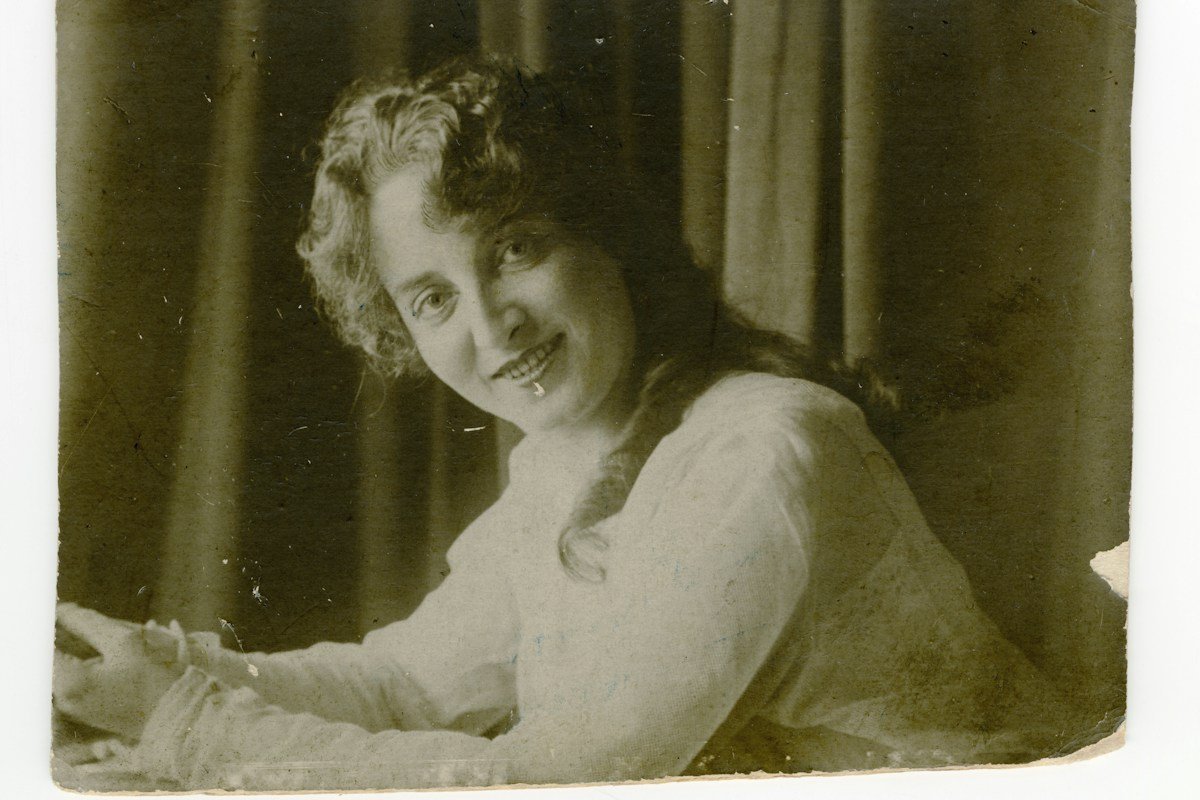
Psychodynamic Utility of Yearning for Unexperienced Centuries
From a psychodynamic perspective, anemoia serves essential protective functions within the psychic economy, operating as an adaptive defense against contemporary existential distress. Modern existence is characterized by relentless information saturation, rapid technological acceleration, hyper-specialization, and profound social fragmentation. The sheer velocity of contemporary living places unprecedented demands upon human executive function, often generating chronic low-grade anxiety, sensory exhaustion, and feelings of cultural rootlessness.
Anemoia functions as an emotional oasis, offering a structured psychological retreat from the chaotic unpredictability of the present. Because an unlived historical period is completely fixed and documented, it possesses an inherent psychological stability that real-time life cannot provide. The conflicts, aesthetic movements, and existential dilemmas of the past have already reached closure. By mentally inhabiting these finished epochs, the anemoic individual experiences a vicarious sense of structural resolution, immersion in a world where actions appear consequential and aesthetic forms feel deliberate and enduring.
Furthermore, anemoia provides a safe vehicle for experiencing profound grief and melancholy without personal trauma. The longing for a phantom era allows the individual to process universal feelings of loss, transience, and temporal finitude from a psychologically safe distance. Mourning an era one never knew enables the expression of tender, bittersweet emotions that contemporary culture often marginalizes in favor of relentless productivity and superficial positivity. In this context, anemoia represents a profound reclaiming of emotional depth, allowing the individual to experience authentic human sorrow and aesthetic elevation through the lens of historical empathy.
Psychodynamic theory also identifies anemoia as a manifestation of historical sublimation. The individual channels unmet relational, spiritual, or aesthetic cravings into the idealization of past societies. Whether yearning for the artisanal camaraderie of medieval guilds, the philosophical discourse of eighteenth-century salons, or the communal solidarity of vintage rural townships, the anemoic longing reveals what the individual perceives as tragically missing from their immediate contemporary environment. In this manner, anemoia acts as a sensitive diagnostic mirror, illuminating the spiritual and cultural deficiencies of modern life through the idealized reflection of bygone eras.
Cognitive Simulation Versus Authentic Recollection: Structural Divergence
To establish clinical clarity, cognitive neuroscientists must delineate the precise structural and functional boundaries that separate anemoic simulation from authentic autobiographical recollection. While both cognitive states engage overlapping circuits within the default mode network and hippocampal formation, high-resolution functional imaging and behavioral assays reveal distinct divergences in temporal dynamics, sensory granularity, and meta-awareness.
Authentic autobiographical recollection is fundamentally characterized by episodic granularity and self-referential temporal coordinates. When recalling an event from personal childhood, the brain retrieves specific, non-idealized sensory details: the precise temperature of a room, idiosyncratic bodily sensations, fragmented dialogue, and unpredictable emotional reactions. Furthermore, authentic memories contain episodic irregularities, awkward gaps, and mundane contextual noise that reflect the chaotic nature of lived human experience. The retrieval process exhibits rapid hippocampal-neocortical synchronization, with strong functional connectivity between the anterior insula and the somatosensory cortex reflecting somatic markers of past physical presence.
In contrast, anemoic simulation exhibits high aesthetic curation, narrative coherence, and semantic archetyping. Because the phantom era is reconstructed from cultural artifacts, artistic representations, and historical accounts, the simulation naturally filters out the mundane unpleasantries, physical discomforts, and monotonous downtime of actual day-to-day historical living. The imagined past appears through a lens of heightened narrative and visual purity. The neurobiological signature of anemoia reflects elevated coupling between semantic memory repositories in the lateral temporal cortex and affective hubs in the ventral striatum, with significantly reduced somatic marker reactivation compared to personal traumatic or joyous autobiographical memories.
A critical divergence lies in metacognitive monitoring. In healthy individuals experiencing anemoia, the frontal pole and dorsolateral prefrontal cortex maintain absolute meta-awareness regarding the counterfactual nature of the experience. The subject never genuinely believes they physically inhabited the historical period in a literal biological sense. The cognitive state is recognized as an affective simulation: an emotional and aesthetic alignment with a historical epoch that exists purely within the sovereign realm of consciousness.
Sociocultural Catalysts of Phantom Nostalgia in Hyper-Connected Societies
While the capacity for anemoia is rooted in universal human neuroanatomy, its prevalence and intensity are profoundly amplified by modern sociocultural conditions. The transition from industrial societies to hyper-digital, networked environments has radically altered human temporal perception, creating conditions uniquely fertile for phantom temporal yearning. As philosopher Zygmunt Bauman observed in his formulations of liquid modernity, contemporary human relationships, institutions, and aesthetic forms have become increasingly transient, liquid, and precarious.
The ubiquity of algorithmically curated media platforms saturates contemporary consciousness with endless fragments of past eras, divorced from their historical contexts and political complexities. Vintage fashion revivals, analogue synth waves, retro visual filters, and digitized archival repositories allow individuals to consume the aesthetic signifiers of past decades continuously. This constant exposure conditions the brain to treat historical aesthetics not as distant chronologies, but as readily accessible lifestyle palettes. The default mode network internalizes these ubiquitous aesthetic fragments, incorporating them into its baseline narrative modeling processes.
Moreover, the modern loss of shared communal rituals, enduring physical architecture, and generational rootedness creates an acute spiritual void. In previous centuries, individuals derived existential grounding from deep ancestral ties, local traditions, and permanent material environments that endured across generations. In the modern era of planned obsolescence, disposable architecture, and relentless digital churn, the material environment provides little sense of continuity. Anemoia arises as a profound compensatory response: an active cognitive effort to establish roots in a chosen historical past when the present fails to offer sufficient existential anchor points.
This sociocultural dynamic transforms anemoia from an isolated psychological curiosity into a widespread generational phenomenon. Entire subcultures coalesce around the reverent preservation and aesthetic resurrection of specific historical moments, whether analogue audio engineering, mechanical watch restoration, antique typography, or mid-century craft traditions. In these communities, anemoia ceases to be purely introspective yearning and transforms into tangible cultural practice, resurrecting forgotten physical techniques and values to enrich a flattened contemporary landscape.
Aesthetic Formalism and the Neurobiology of Vintage Sensory Cues
The neural mechanics of anemoia are deeply intertwined with aesthetic formalism, particularly the human visual and auditory system’s response to vintage material design. Unlike mass-manufactured contemporary items made from uniform synthetic polymers, historical artifacts embody tangible physical craftsmanship characterized by organic textures, subtle variations, and natural wear patterns. In cognitive neuroaesthetics, these material qualities activate specialized sub-regions within the ventral visual stream, including the lateral occipital complex and the parahippocampal place area, which process geometric harmony, tactile affordances, and spatial environments.
When the eye observes an aged wooden cabinet with dovetail joinery or a vintage camera with knurled brass control dials, the motor cortex engages in mirror-touch and somatic simulation. The brain mentally reenacts the physical touch, manual labor, and deliberate human intention embedded within the artifact. This involuntary motor simulation generates a visceral sense of intimacy, an intuitive recognition of human presence across decades or centuries. In contrast to modern touchscreens that offer flat, featureless glass surfaces, vintage physical interfaces stimulate rich somatosensory feedback, grounding consciousness in an embodied reality that feels grounded, authentic, and emotionally warm.
Auditory aesthetics function along parallel neural tracks. The mechanical clack of a manual typewriter carriage return, the gentle hum of a valve radio warming up, or the rhythmic oscillation of a grandfather clock pendulum operate as acoustic pacemakers. In a modern auditory environment saturated with harsh electronic alerts, algorithmic notification chimes, and compression-flattened digital streams, historical mechanical sounds introduce natural acoustic harmonics. The superior temporal gyrus processes these rhythmic analogue signals as soothing organic pulses, triggering mild vagal nerve stimulation and lowering autonomic sympathetic arousal. The brain responds to these acoustic qualities by shifting into a calm, contemplative state that naturally fosters anemoic reflection.
By studying how vintage sensory cues modulate neural oscillations, cognitive researchers discover that anemoia is not an abstract intellectual flight, but an embodied aesthetic encounter. The brain craves sensory friction, material permanence, and structural elegance. When contemporary environments fail to satisfy these aesthetic needs, the neural architecture seeks solace in the material culture of bygone eras, finding in vintage design an emotional resonance that nourishes both intellect and sensory perception.
Philosophical Foundations and the Reconstruction of Phantom Belonging
Examining anemoia through a neurobiological lens naturally opens profound philosophical inquiries regarding personal identity, temporal dislocation, and existential belonging. What does it mean for a conscious being to feel fundamentally foreign to their own biological birth era? Throughout philosophical history, thinkers from the German Romantic movement to twentieth-century phenomenologists have explored concepts of Sehnsucht, an incurable, deep-seated yearning for an elusive, idealized homeland that may never have existed in physical reality.
Phenomenology demonstrates that human consciousness is fundamentally intentional: it is always directed toward an object, a horizon, or a world. In anemoia, the intentional horizon is temporally dislocated. The individual does not simply experience passive nostalgia for a chronological timeline; they long for the ethos, value systems, and aesthetic coherence perceived to characterize that era. This phantom belonging represents an ethical and aesthetic choice. The individual identifies with the perceived virtues of a past epoch, whether the quiet contemplation of eighteenth-century scholarship, the bold romantic idealism of early twentieth-century avant-garde art, or the communal solidarity of vintage working-class neighborhoods.
Furthermore, anemoia challenges the strict linear concept of chronological time enforced by industrial modernity. While linear time dictates that yesterday is irrevocably vanished and tomorrow is yet to arrive, subjective consciousness experiences time as a multi-layered continuum. Through constructive memory simulation, art, and historical empathy, human beings possess the extraordinary ability to exist simultaneously across multiple temporal registers. The phantom era becomes an active component of the individual subjective present, informing their creative output, personal ethics, and worldview.
Ultimately, anemoia reveals that home is not merely a geographic coordinate or a biological birthdate, but an emotional and spiritual frequency. When an individual discovers an era whose aesthetics, rhythms, and ideals resonate perfectly with their internal cognitive architecture, they achieve a profound sense of recognition. Though separated by physical centuries, the mind builds an enduring temporal sanctuary, proving that the deepest yearnings of human consciousness transcend the temporary confines of mortal lifespans.
Methodological Protocols for Evaluating Temporal Yearning in Clinical Research
Developing standardized methodological protocols to assess anemoia and phantom temporal nostalgia represents a crucial frontier in contemporary cognitive psychometrics. Historically, clinical assessments of nostalgia, such as the Southampton Nostalgia Scale, focused primarily on personal autobiographical events, measuring the frequency with which individuals recall past vacations, childhood friends, or family gatherings. To accurately quantify anemoic phenomena, researchers have formulated specialized diagnostic paradigms that measure affective response to historical artifacts, cross-temporal empathy, and subjective temporal disorientation.
In high-resolution laboratory experiments, investigators employ multimodal neuroimaging protocols combining functional magnetic resonance imaging with high-density electroencephalography. Participants are exposed to carefully standardized blocks of stimuli, including authentic childhood photographs, neutral contemporary media, and evocative archival media from eras decades or centuries prior to their birth. By comparing neural activation profiles across these conditions, researchers can isolate the precise moment when semantic knowledge transitions into anemoic affective simulation, mapping the exact millisecond-level timecourse of default mode network synchronization and hippocampal pattern completion.
Psychometric batteries designed for anemoic evaluation incorporate detailed Likert-scale inventories measuring aesthetic sensitivity, narrative transportability, and existential dissatisfaction with contemporary culture. Longitudinal studies track how anemoic tendencies correlate with personality traits such as openness to experience, absorption, and high trait empathy. Clinical observations indicate that individuals with strong anemoic inclinations frequently display exceptional linguistic creativity, high visual imagination, and an intuitive capacity for deep historical contextualization, functioning as vital cultural archivists who preserve intangible heritage in modern society.
These rigorous methodological frameworks elevate the study of anemoia from speculative observation into empirical psychological science. By establishing clear biomarkers, psychometric metrics, and cognitive models, researchers can systematically examine how temporal yearning influences human well-being, creative problem-solving, and emotional resilience in an increasingly complex and rapidly shifting global landscape.
Comparative Diagnostic Matrix of Neural Correlates in Memory Systems
A rigorous scientific analysis of temporal consciousness requires formal comparison across neuroanatomical substrates, neurochemical profiles, sensory attributes, and psychological outcomes. The structural differences between authentic personal recollection and synthetic anemoic simulation reflect how the central nervous system processes biographical reality versus projective narrative architecture.
The comparative diagnostic matrix below illustrates the precise neurobiological, phenomenological, and clinical markers that distinguish genuine autobiographical memory retrieval from the constructive simulation networks engaged during anemoic experiences. This matrix synthesizes clinical fMRI findings, electrophysiological metrics, and psychometric profiles established across contemporary memory research laboratories.
| Diagnostic Dimension | Authentic Autobiographical Recollection | Synthetic Anemoic Temporal Simulation |
| Primary Cortical Hubs | Posterior hippocampus, anterior insula, somatosensory cortices, ventromedial prefrontal cortex. | Anterior hippocampus (CA3/dentate gyrus), precuneus, lateral temporal cortex, default mode network core. |
| Neurochemical Profile | Episodic acetylcholine release, somatic cortisol markers, targeted noradrenergic vigilance cues. | Ventral tegmental dopaminergic craving, dorsal raphe serotonergic stabilization, endogenous endorphin release. |
| Sensory Granularity | High idiosyncratic noise, mundane sensory gaps, visceral somatic markers of physical presence. | Aesthetically curated texture, heightened tonal coherence, idealized sensory motifs, low somatic strain. |
| Source Monitoring Origin | Internal biographical recording confirmed through continuous personal autobiographical timeline. | External cultural ingestion, archival media synthesis, semantic schema projection across temporal gap. |
| Psychodynamic Outcome | Consolidation of biographical identity, resolution of personal conflicts, biographical continuity. | Existential stabilization, aesthetic sanctuary, mitigation of contemporary alienation, cultural root-seeking. |
As demonstrated across these clinical dimensions, anemoia occupies a sophisticated functional niche that utilizes the evolutionary machinery of prospective simulation to navigate historical time. Rather than representing cognitive dysfunction, this dynamic reflects the exquisite flexibility of the human nervous system, repurposing memory circuits to generate meaning, emotional depth, and aesthetic fulfillment beyond the strict frontiers of physical lifespan.
Frequently Asked Questions Regarding Neural Resonance and Anemoia
What distinguishes clinical anemoia from ordinary nostalgic daydreaming?
Ordinary daydreaming is typically an unprompted, transient flight of fancy characterized by low emotional stakes and minimal sensory immersion. In contrast, anemoia is a distinct, sustained neuroaffective state characterized by an acute, bittersweet longing, complete with physiological markers of emotional arousal, deep default mode network engagement, and measurable changes in dopaminergic and serotonergic balance.
How does the human brain construct vivid memories of eras it never directly experienced?
The brain relies on the constructive episodic simulation hypothesis, utilizing hippocampal plasticity and semantic memory stores. By recombining cultural fragments, archival photographs, literature, recorded sound, and architectural forms, the hippocampus performs rapid pattern completion, synthesizing a rich internal landscape that mimics authentic autobiographical recall.
Does experiencing anemoia indicate a failure in cognitive reality monitoring?
No, healthy individuals experiencing anemoia retain full metacognitive awareness via the prefrontal cortex. They fully recognize that they did not live through the historical period in a biological sense. The phenomenon is an affective and aesthetic simulation, not a delusional misidentification of biographical reality.
What specific neurochemicals drive the bittersweet emotional profile of phantom nostalgia?
The bittersweet profile is produced by the simultaneous interplay of dopamine and serotonin. Dopamine originating from the ventral tegmental area generates intense anticipatory craving and yearning for the unattainable era, while serotonergic projections from the raphe nuclei provide emotional tranquility, stability, and peaceful acceptance.
Why are auditory and olfactory cues exceptionally powerful at triggering anemoic states?
Olfactory inputs bypass intermediate thalamic relays, projecting directly into the piriform cortex, amygdala, and hippocampus, sparking immediate emotional cascades. Similarly, analogue audio textures like vinyl surface hiss and magnetic tape flutter provide tactile acoustic micro-imperfections that the auditory cortex interprets as tangible physical presence.
Can anemoia function as an adaptive psychological defense mechanism?
Yes, anemoia provides an effective psychological haven against contemporary alienation, technological acceleration, and existential fragmentation. By offering a stable, aesthetically cohesive mental sanctuary where historical dilemmas have already resolved, it restores emotional balance and reinforces psychological resilience.
Is anemoia more prevalent in younger generations raised in digital environments?
Empirical evidence suggests higher incidence among digital natives. The relentless saturation of algorithmic media, rapid obsolescence of physical materials, and disconnection from ancestral physical traditions create an existential hunger for tangible historical continuity, making youth especially receptive to phantom temporal yearning.
How does source monitoring prevent anemoic simulations from becoming clinical confabulations?
The anterior prefrontal cortex continuously runs source monitoring algorithms, evaluating the perceptual attributes and contextual tags of emerging mental representations. It identifies that the imagery originated from external historical media rather than personal sensory experience, preserving clear cognitive boundaries.
Can intentional engagement with anemoic stimuli enhance creative cognitive performance?
Cognitive research indicates that mental time travel activates high-level divergent thinking and associative fluency. Immersing oneself in alternate historical aesthetics stimulates novel neural connections across semantic networks, frequently catalyzing innovative artistic expression, architectural design, and literary narrative construction.
Synthesis and the Horizons of Temporal Neuroscience
The study of neural resonance in anemoia transcends traditional boundaries between cognitive psychology, affective neuroscience, and cultural anthropology. Far from being a trivial sentimentality or an escapist aberration, the human capacity to yearn for unexperienced centuries illuminates the profound depth of our narrative consciousness. We are not merely prisoners of our biological chronological lifespans. Through the remarkable architecture of the default mode network, hippocampal plasticity, and affective neurochemistry, the human mind possesses the unique capability to expand its emotional home across historical time, forging profound connections with eras it never physically witnessed.
As cognitive research advances through high-resolution neuroimaging and computational modeling, scientists continue to decode how the brain transforms sensory fragments of the past into profound interior worlds. In an era marked by rapid technological transformation and acute cultural dislocation, anemoia reminds us that our deepest psychological needs for beauty, continuity, and belonging are timeless. By understanding the neural mechanics of this phantom longing, we gain invaluable insight not only into how the brain remembers and imagines, but into the enduring mystery of what it means to search for meaning in a constantly shifting universe.
