

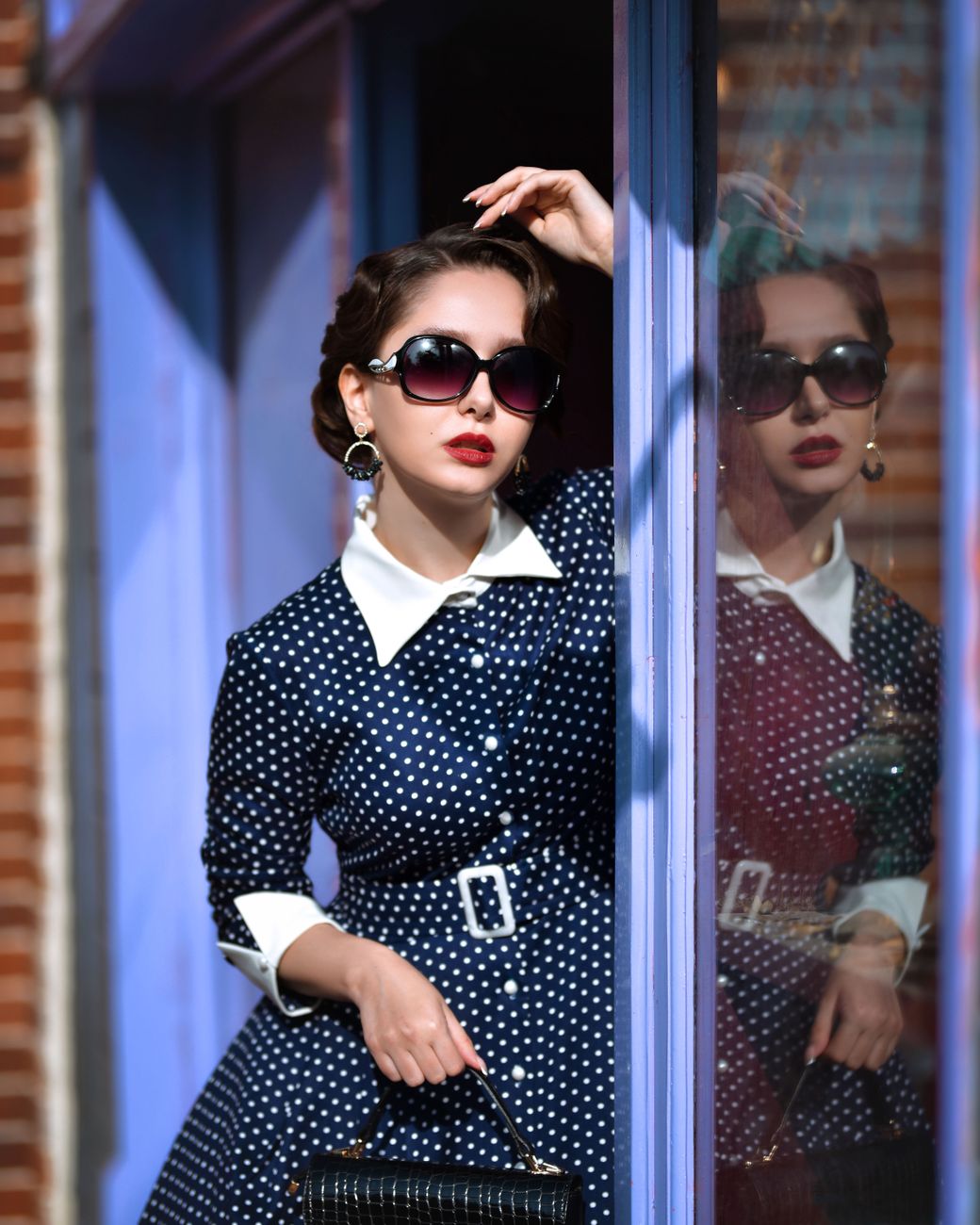
Fashion operates in a cyclical pattern where the past inevitably informs the future. The current landscape of style is heavily influenced by a return to classic aesthetics, ranging from the structured tailoring of the mid-century to the bold, experimental silhouettes of the late 1990s. This movement toward vintage-inspired dressing is not merely a nostalgic exercise; it is a calculated shift toward quality, individual expression, and a critique of the rapid consumption cycles inherent in modern retail.
Table of Contents
The Resurgence of Mid-Century Elegance
The 1950s and 1960s established a standard for silhouette-focused design. Contemporary runways and high-street collections have embraced the hourglass shape, high-waisted trousers, and structured blazers that defined the post-war era. This return to form emphasizes tailoring that honors the body’s natural lines rather than relying on the oversized, shapeless garments that dominated previous years.
Key elements of this revival include:
- A-line Skirts: These provide a timeless silhouette that balances proportions and offers versatility for both professional and casual environments.
- Structured Blazers: The focus has shifted back to sharp shoulders and cinched waists, moving away from the boxy, unstructured jackets of the early 2000s.
- High-Waisted Denim: By elevating the waistline, modern designers have successfully updated denim to reflect the polished look of 1950s casual wear.
The 1970s Bohemian and Tailored Blend
The 1970s remain a primary source of inspiration due to the decade’s unique duality: the earthy, relaxed bohemian aesthetic and the sharp, disco-influenced tailoring. The current interest in this era centers on textures like corduroy, suede, and intricate knitwear. The appeal lies in the tactile nature of these fabrics, which offer a departure from the synthetic materials often found in mass-produced clothing.
Wide-leg trousers and flared silhouettes have re-emerged as a staple for modern wardrobes. These cuts provide a sense of movement and length, effectively updating traditional trouser styles. Furthermore, the 1970s color palette—characterized by burnt orange, mustard yellow, and deep forest green—has become a standard feature in seasonal collections, offering a warmer, more grounded alternative to modern neon trends.
The 1990s Minimalist and Grunge Revival
Perhaps the most prominent influence on current fashion is the 1990s. This period offered two distinct directions that are both currently thriving: the sleek, minimalist aesthetic and the raw, anti-fashion stance of the grunge movement.
Minimalism from the 90s is reflected in the popularity of slip dresses, neutral color schemes, and clean lines. This style relies on the “less is more” philosophy, prioritizing high-quality fabrics and subtle cuts over loud branding. Simultaneously, the grunge influence has brought back flannel shirts, combat boots, and distressed denim. These pieces allow for a layered approach to dressing, which is highly practical for varying climates and provides a sense of comfort that remains central to contemporary fashion needs.
Comparison of Vintage Eras in Modern Fashion
| Era | Key Aesthetic | Primary Influence on Today |
|---|---|---|
| 1950s | Structured/Tailored | High-waisted pants, A-line skirts |
| 1970s | Bohemian/Textured | Flares, corduroy, earth tones |
| 1990s | Minimalist/Grunge | Slip dresses, combat boots, layers |
The Role of Quality and Sustainability
The shift toward vintage trends is closely tied to a broader interest in garment longevity. When consumers look to past decades for inspiration, they often encounter a standard of construction that predates the era of disposable clothing. Vintage-inspired fashion encourages a focus on natural fibers like cotton, wool, and silk, which are not only more durable but also offer better breathability and comfort.
By adopting vintage styles, one can curate a wardrobe that transcends seasonal trends. Investing in pieces that mimic the quality of past decades ensures that clothing remains relevant and functional for years. This approach to building a wardrobe is grounded in the understanding that the most sustainable garment is the one that lasts, both in terms of physical durability and aesthetic appeal.
Practical Advice for Integrating Vintage Styles
Incorporating vintage elements into a modern outfit requires a balance between historical accuracy and contemporary utility. The goal is to avoid looking like a costume while still capturing the essence of a specific era.
- Focus on One Statement Piece: If wearing a 1970s-inspired flared pant, pair it with a modern, slim-fitting top to keep the outfit grounded.
- Prioritize Fit: Vintage clothing often relies on precise tailoring. Whether purchasing authentic vintage or modern reproductions, the fit should be adjusted to modern standards to ensure comfort and functionality.
- Mix Eras Carefully: Combining pieces from different decades can create a unique, personal style. For example, a 1990s-style slip dress can be layered under a 1950s-inspired structured blazer, blending two distinct fashion philosophies into one cohesive look.
Frequently Asked Questions
How can one distinguish between a genuine vintage piece and a modern reproduction?
Authentic vintage items often feature unique construction details, such as metal zippers, hand-finished seams, and specific fabric compositions that are rare in modern manufacturing. Labels and tags can also provide information regarding the manufacturing location and era.
Why are vintage trends cycling back so quickly?
The speed of the current trend cycle is influenced by digital platforms that allow for the rapid dissemination of fashion imagery. When archival images of past styles reach a wide audience simultaneously, the demand for those aesthetics increases, leading to a faster return of those specific trends.
Is it necessary to wear an entire vintage outfit to follow these trends?
No, the most effective way to incorporate vintage trends is through individual pieces. Integrating one or two vintage-inspired items into a modern wardrobe creates a balanced look that feels current rather than dated.
What fabrics are most common in vintage-inspired fashion?
Natural fibers such as wool, silk, linen, and heavy-weight cotton are the hallmarks of vintage fashion. These materials were the standard before the widespread adoption of synthetic polyester blends in mass-market retail.
Conclusion
The revival of vintage fashion trends serves as a bridge between the craftsmanship of the past and the practical needs of the present. By drawing inspiration from the 1950s, 1970s, and 1990s, the fashion industry has demonstrated that style is not linear but circular. The current appreciation for structured tailoring, textured fabrics, and minimalist silhouettes reflects a collective desire for clothing that offers both aesthetic value and enduring quality.
Moving forward, the integration of these vintage elements will likely continue to evolve. As more individuals prioritize mindful consumption and the longevity of their garments, the influence of past decades will remain a foundational aspect of modern style. The key to successfully navigating these trends lies in selecting pieces that resonate with individual preferences while maintaining a focus on the quality and construction that made these eras iconic in the first place. By thoughtfully curating a wardrobe that honors the past while serving the present, one can achieve a look that is both timeless and relevant.
Frequently Asked Questions (FAQ)
Q: What is the difference between vintage and retro design?
A: “Vintage” generally refers to authentic items that are at least 20 to 100 years old, representing the era they were made. “Retro” refers to modern designs that imitate styles of the past.
Q: Why is mid-century modern design still popular today?
A: Mid-century modern design remains highly popular due to its emphasis on clean lines, organic curves, structural functionality, and timeless integration of indoor and outdoor living spaces.
Q: How can I integrate vintage collectibles into a modern home?
A: You can integrate vintage items by using them as accent statement pieces, blending them with neutral modern palettes, or repurposing old items (like retro radios) as functional decor.

