

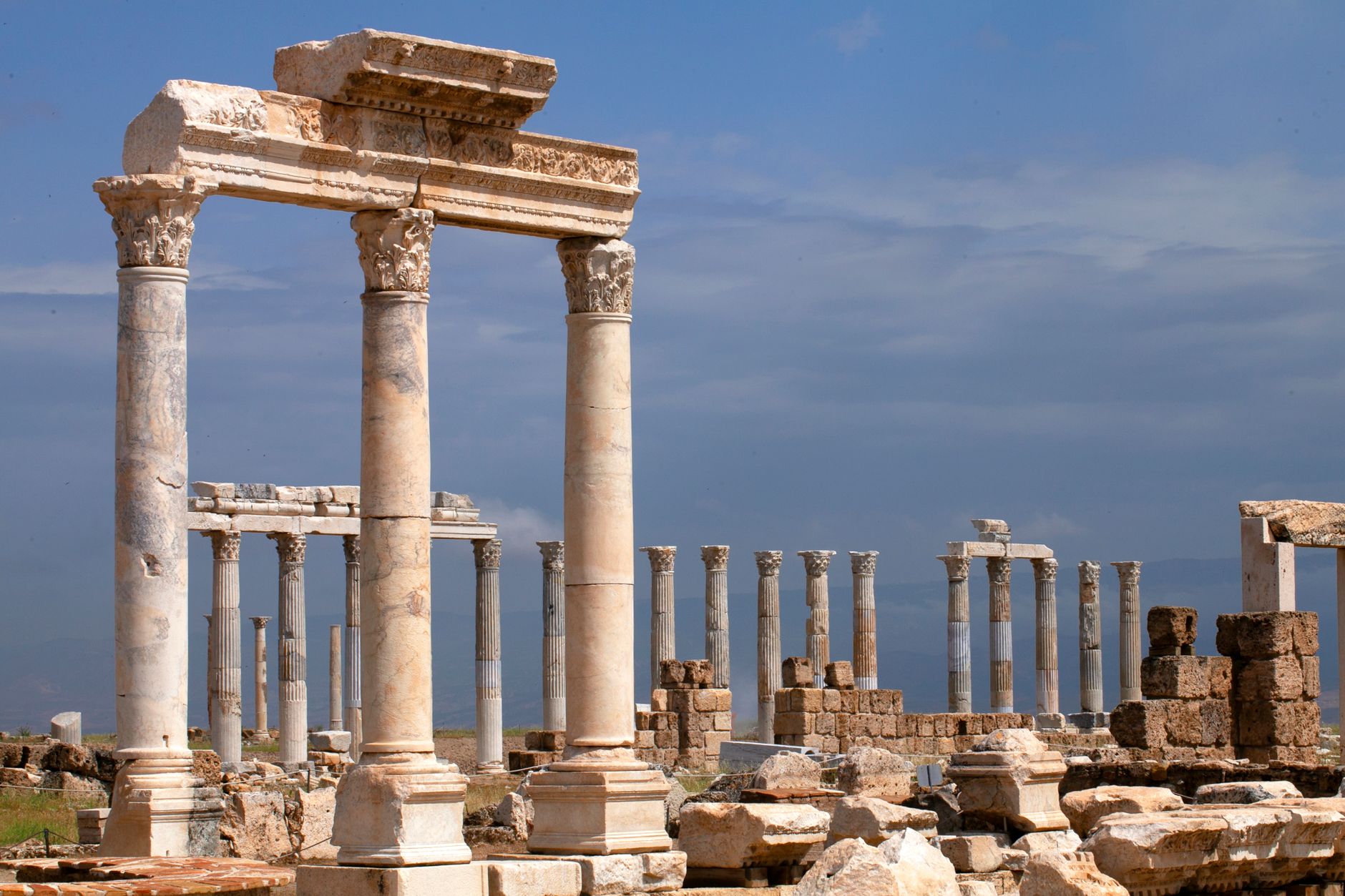
The study of urban centers that have vanished from the map provides a unique window into human ingenuity, environmental adaptation, and societal collapse. When a city is abandoned—whether by war, plague, climate shifts, or economic decline—it leaves behind a physical record that challenges modern understanding of the past. Historians and archaeologists spend decades piecing together these remnants, finding that the stories of these places are rarely simple tales of tragedy, but rather complex narratives of growth and eventual transition.
Table of Contents
The Enigma of Mohenjo-Daro
Located in modern-day Pakistan, Mohenjo-Daro remains one of the most significant urban settlements of the ancient Indus Valley Civilization. Flourishing around 2500 BCE, this city displayed a level of urban planning that was centuries ahead of its time. The site is characterized by a grid-like street layout, sophisticated drainage systems, and standardized brick construction.
What fascinates researchers most is the lack of evidence regarding centralized power structures. Unlike contemporary civilizations in Egypt or Mesopotamia, Mohenjo-Daro shows no clear indication of massive palaces or flamboyant royal tombs. The city functioned through a high degree of civic cooperation. The eventual decline of this metropolis is often attributed to the shifting courses of the Indus River, which likely disrupted the agricultural base required to sustain such a dense population.
The Stone Sentinels of Great Zimbabwe
Great Zimbabwe, a sprawling complex of dry-stone walls and towers in southeastern Africa, stands as a testament to the architectural sophistication of the Kingdom of Zimbabwe. Built between the 11th and 15th centuries, the city served as a major trading hub, connecting the African interior to the Indian Ocean trade network.
The structural integrity of the Great Enclosure, constructed without mortar, continues to be a subject of intense academic study. The site’s decline is generally linked to the depletion of local resources, such as gold and cattle grazing lands, which forced the population to migrate. Examining the site offers clear evidence of the complex economic systems that existed in sub-Saharan Africa long before the arrival of European explorers.
Petra: The Rose-Red City
Carved directly into the sandstone cliffs of southern Jordan, Petra functioned as the capital of the Nabataean Kingdom. Its strategic location at the crossroads of ancient spice routes allowed it to thrive as a center of commerce. The engineering feats required to sustain a population in an arid desert environment—specifically the intricate system of dams, cisterns, and water conduits—remain a marvel of ancient hydraulic engineering.
The city began to lose its prominence as maritime trade routes replaced overland paths. Furthermore, a series of catastrophic earthquakes in the 4th and 6th centuries severely damaged the infrastructure, eventually leading to its abandonment. Today, the site provides profound insights into how ancient societies managed scarce water resources to build thriving urban centers.
Comparison of Ancient Urban Centers
| City | Primary Era | Key Feature | Reason for Decline |
|---|---|---|---|
| Mohenjo-Daro | 2500 BCE | Advanced Drainage | Environmental/River Shift |
| Great Zimbabwe | 1100–1450 CE | Dry-Stone Architecture | Resource Depletion |
| Petra | 400 BCE–600 CE | Rock-Cut Architecture | Trade Route Shifts/Earthquakes |
| Tikal | 600 BCE–900 CE | Monumental Pyramids | Drought/Deforestation |
The Mayan Complexity of Tikal
Tikal, situated in the rainforests of Guatemala, serves as a primary example of a dominant Mayan political and economic center. At its peak, the city supported tens of thousands of people, supported by an intensive agricultural system. The monumental architecture, including massive limestone temples, reflects the intersection of religious devotion and political authority.
Historians highlight Tikal as a case study in systemic fragility. The city’s collapse, occurring around the 9th century, is currently viewed as the result of a “perfect storm”: prolonged drought, soil exhaustion, and internal social unrest. The study of Tikal is vital for understanding how high-density civilizations respond to sudden environmental stressors.
The Submerged Mystery of Heracleion
Off the coast of Egypt, the city of Thonis-Heracleion lay hidden beneath the Mediterranean Sea for over a millennium. Once the primary port for trade entering Egypt, the city suffered a series of geological disasters, including soil liquefaction and rising sea levels, which eventually claimed the entire urban center.
The rediscovery of Heracleion has provided archaeologists with an unprecedented look at ancient maritime life. Because the city was submerged, the artifacts—statues, jewelry, and ships—remained largely undisturbed by the passage of time. This site serves as a vital resource for studying the transition between Egyptian and Greek cultural influences in the late ancient period.
Patterns of Abandonment
Research into these sites reveals that few cities disappear overnight. Instead, the process is typically a gradual erosion of the factors that allowed the city to prosper in the first place. Several recurring patterns emerge:
- Environmental Overextension: When a city’s population exceeds the carrying capacity of its local ecosystem, the society becomes highly vulnerable to climate fluctuations.
- Economic Obsolescence: Changes in trade networks, such as the emergence of sea routes over land routes, can strip a city of its economic purpose.
- Infrastructure Failure: The loss of essential systems, such as water management or food distribution, often triggers a rapid migration of the populace.
- Sociopolitical Instability: High levels of inequality or weak governance can render a city unable to respond effectively to external threats or internal crises.
Advancing Archaeological Methods
The study of lost cities has been revolutionized by modern technology. Remote sensing, particularly LiDAR (Light Detection and Ranging), has allowed researchers to map vast areas of dense vegetation, revealing structures that were previously invisible. This technology has fundamentally changed the understanding of city density in regions like the Amazon and the Mayan lowlands, proving that these landscapes were far more transformed by human activity than previously believed.
By combining traditional excavation with geochemical analysis of soil and ice cores, historians can now reconstruct the climate patterns that these ancient inhabitants faced. This interdisciplinary approach ensures that the study of lost cities remains grounded in empirical data rather than speculation.
Frequently Asked Questions
Why do some cities disappear while others endure?
Longevity is often determined by a city’s ability to adapt to environmental changes and its integration into wider economic networks. Cities that diversify their resources and maintain sustainable infrastructure tend to withstand pressures better than those that rely on a single commodity or source of water.
How do archaeologists find cities that have been lost for centuries?
Modern discovery relies on satellite imagery, ground-penetrating radar, and oral histories. Local knowledge often provides the first clues, which are then verified through rigorous surveying and site excavation.
What can lost cities teach us about the future?
These sites serve as historical warnings. By analyzing the causes of their decline, such as deforestation or water mismanagement, modern societies can identify similar vulnerabilities in contemporary urban planning.
Is it possible that more major cities remain undiscovered?
Yes. Large portions of the Earth, particularly in deep jungle, desert, and underwater environments, remain largely unexplored. As technology improves, the likelihood of finding significant new sites increases.
Reflections on the Past
The fascination with lost cities is not merely an interest in the exotic or the ruins themselves; it is a pursuit of understanding the limits of human civilization. These sites act as mirrors, reflecting the fragility of the systems that define modern life. Whether it is the sophisticated water management of Petra or the cooperative urbanism of Mohenjo-Daro, the lessons preserved in these ruins are as relevant today as they were when these cities were at their zenith.
The study of these places will continue to evolve, moving away from simple treasure hunting toward a nuanced analysis of human resilience. As new technologies allow for a deeper understanding of these landscapes, the narratives surrounding these ancient centers will continue to be refined. The legacy of these cities remains in the questions they continue to pose, serving as a reminder that the endurance of any society is a continuous process of adaptation, management, and collective effort.
Frequently Asked Questions (FAQ)
Q: Why are historical places often abandoned?
A: Historical locations are typically abandoned due to economic shifts, resource depletion, changes in trade routes, natural disasters, or geopolitical conflicts that render maintaining the site unsustainable.
Q: What is the importance of preserving abandoned historical sites?
A: Preserving these sites provides crucial physical evidence of architectural techniques, cultural practices, and historical socio-economic conditions that help us understand how past societies evolved.
Q: Is it safe to visit abandoned historical ruins?
A: Safety varies. Many historic ruins are managed by heritage organizations and are safe for visitors, while unmanaged sites pose risks like structural decay, hazardous terrain, or legal trespassing restrictions.


1 Comment
Pingback: Echoes of the Past: Exploring Forgotten Historical Places with Amazing Stories – Anemoia