

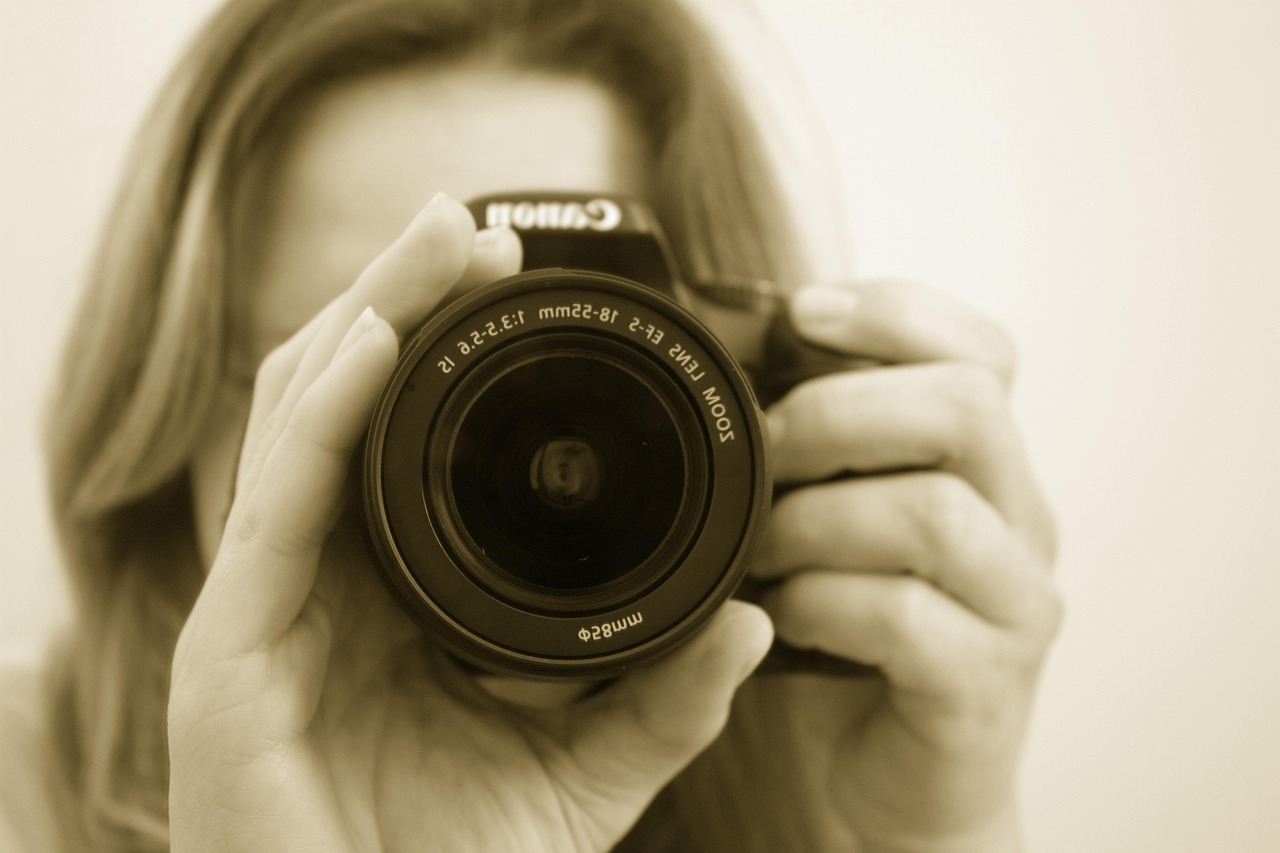
The pursuit of visual storytelling often leads practitioners down a complicated path of heavy gear investments, complex lighting setups, and post-processing software suites. However, the most compelling photographic archives frequently originate from the most unassuming equipment. Understanding how to capture meaningful everyday moments with a simple camera shifts the focus from technical perfection to genuine observational awareness. Everyday life moves at a rapid pace, filled with fleeting interactions, changing light patterns, and subtle domestic rhythms that often go unnoticed. A basic photographic device—whether an entry-level compact digital camera, an older smartphone, or a rudimentary film point-and-shoot—removes the friction of manual settings, allowing the observer to react purely to the unfolding environment.
The Psychology of Minimalist Photography
Mastering everyday documentation requires stripping away the distractions inherent in advanced technology. When photographers rely on minimalist equipment, cognitive load decreases significantly. Instead of calculating aperture values, shutter speeds, and white balance settings, the focus shifts entirely to composition, timing, and human interaction. Observational research in visual psychology indicates that constraints often foster heightened creativity. By limiting gear choices to a single fixed lens and a basic body, creators develop a stronger sense of spatial awareness and visual instinct.
This approach encourages a meditative state while navigating routine environments. Kitchen tables during morning routines, quiet street corners during lunch breaks, and ambient shadows cast through living room windows transform into primary subjects. The simple camera acts not as a mechanical barrier, but as an extension of sight. Eliminating technical anxiety allows for genuine engagement with the immediate surroundings, resulting in frames that feel authentic rather than staged or overly calculated.

Technical Advantages of Basic Equipment
Simplicity in hardware offers distinct operational advantages that high-end mirrorless or DSLR systems frequently compromise. Lightweight bodies encourage constant carriage, ensuring the device remains accessible when unscripted scenarios occur. Furthermore, fixed lenses compel the photographer to utilize physical movement—zooming with one’s feet—which inherently changes perspective and engagement levels with the subject.
| Feature / Aspect | Complex Professional Gear | Simple Everyday Camera |
|---|---|---|
| Portability | Heavy, bulky, often requires a dedicated bag | Lightweight, pocket-friendly, carried effortlessly |
| Setup Time | High; requires lens changes and parameter adjustments | Instantaneous; point, frame, and shoot |
| Social Impact | Intimidating to subjects; draws unwanted attention | Discreet, non-intrusive, natural candid results |
| Creative Focus | Technical settings, sharpness, dynamic range | Composition, timing, narrative, and light |
Operating with basic equipment also shifts post-production workflows. With fewer raw megapixels and simpler color science, images often retain a natural, organic aesthetic straight out of the device. This reduces hours spent behind editing monitors and encourages a prolific shooting habit where the volume of captured memories outweighs the pursuit of technical flawlessness.
Cultivating Visual Awareness in Daily Routines
Routine environments often breed visual blindness; individuals grow accustomed to their living spaces, workspaces, and commuting routes, missing the subtle shifts in atmosphere that occur throughout the day. Documenting daily life with a basic tool demands intentional observation. Notice how afternoon sunlight filters through dust motes in a hallway, or how steam rises from a coffee mug against a dark kitchen backdrop. These micro-events form the backbone of a rich visual diary.

Developing this habit involves carrying the device consistently without the pressure of producing a masterpiece. Treat the camera as a notebook rather than an artistic paintbrush. Shoot mundane objects, routine chores, and unposed family members engaged in quiet concentration. The objective is to record existence as it happens, honoring the ordinary rather than waiting for extraordinary milestones like weddings, vacations, or holidays.
Compositional Principles for Simple Setups
When working with basic gear, strong composition becomes the primary vehicle for elevating a photograph from a mere snapshot to a meaningful visual record. Without the luxury of shallow depth of field from expensive telephoto lenses, reliance shifts to foundational design elements.
- Rule of Thirds and Negative Space: Placing subjects off-center creates dynamic tension, while utilizing large areas of empty wall, sky, or shadow emphasizes scale and isolation.
- Leading Lines: Utilizing architectural elements, hallways, or furniture edges to guide the viewer’s eye directly toward the focal point of the frame.
- Layering: Incorporating foreground elements—such as a blurred houseplant leaf or the back of a chair—adds depth to two-dimensional images captured with simple wide-angle lenses.
- Natural Framing: Utilizing doorways, windows, or tree branches to enclose the subject naturally, creating an intimate portal into the scene.
Documenting Human Interaction and Candid Motion
Capturing authentic human emotion requires discretion. Bulky camera bodies equipped with large zoom lenses often alter the behavior of people in the room, causing them to stiffen, pose, or look directly at the lens. A simple, unassuming camera allows the photographer to blend into the background.
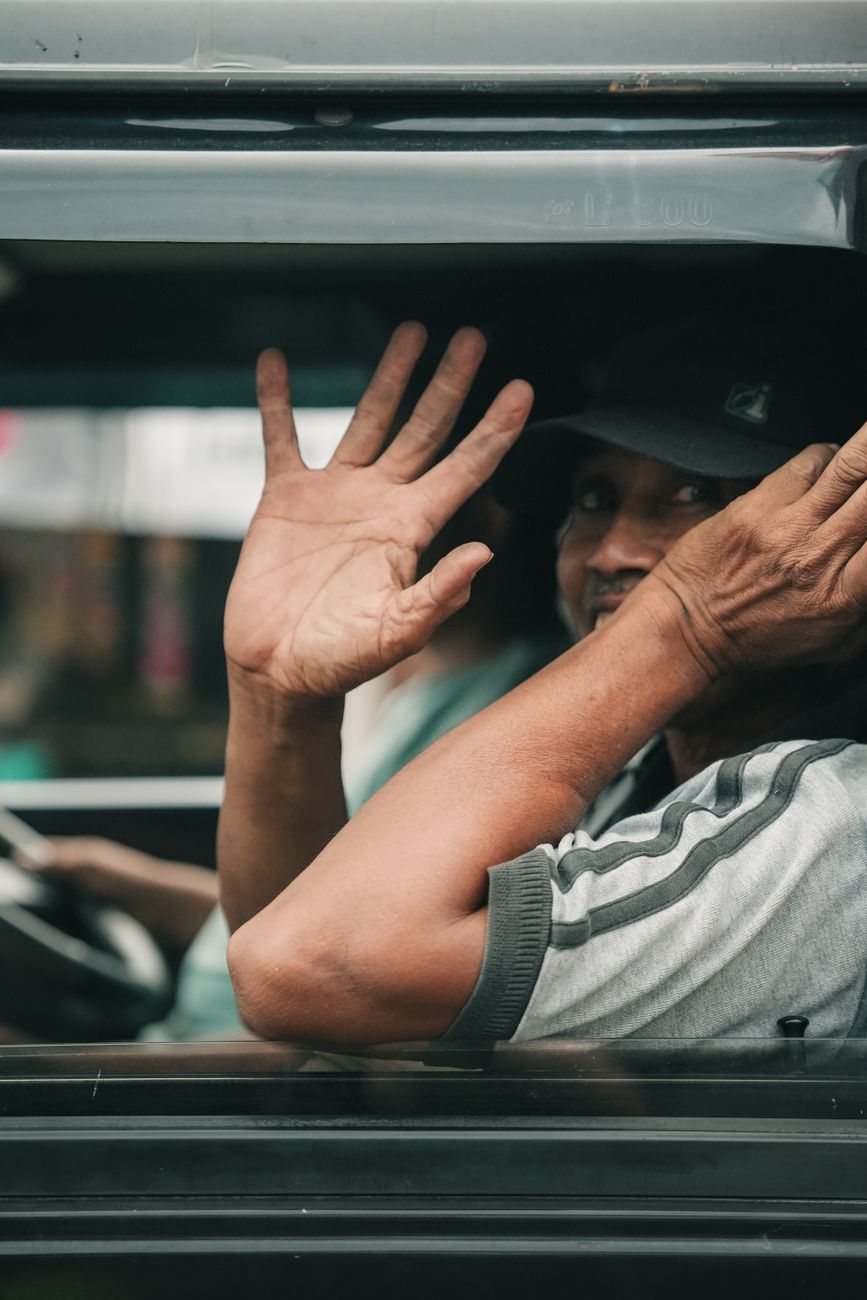
When documenting family members, roommates, or colleagues, patience is the ultimate tool. Sit quietly in a room without raising the camera immediately. Allow individuals to acclimate to your presence until the device becomes an unremarkable fixture. When the moment of genuine laughter, deep concentration, or spontaneous conversation arises, raise the camera smoothly and capture the interaction without directing or interrupting the flow of life.
Frequently Asked Questions
What is the best type of simple camera for everyday carry?
Compact digital cameras with fixed lenses, older model consumer-grade mirrorless bodies paired with a small pancake lens, or functional film point-and-shoot cameras work exceptionally well. The primary criteria are weight, physical size, and ease of operation.
How do I overcome the hesitation of taking photos in public spaces?
Start in comfortable, familiar environments like your home or backyard. Gradually transition to quiet public spaces like local parks or cafes. Using a small, unassuming device reduces self-consciousness because onlookers rarely perceive it as professional equipment.
Should I shoot in RAW or JPEG with a simple camera?
Shooting in JPEG is often recommended for everyday documentary photography to maintain a fast workflow and embrace the camera’s native color profile. However, if the device offers a hybrid workflow, testing both helps determine which format better suits personal archiving preferences.
How can I keep my everyday photography interesting over time?
Impose creative constraints, such as limiting yourself to photographing only shadows for a week, or documenting a single room from different angles over the course of a month. These exercises retrain the brain to notice overlooked details.
Conclusion
Embracing the practice of how to capture meaningful everyday moments with a simple camera ultimately transforms how one experiences daily life. By stripping away technical complexity and gear-acquisition syndrome, attention returns to what truly matters: light, time, human connection, and observational presence. Every routine interaction, quiet corner, and passing hour holds visual weight when viewed through an intentional lens. Committing to this minimalist approach builds a rich, honest archive of personal history, proving that depth in photography stems from the observer’s perspective rather than the sophistication of the tool.

