

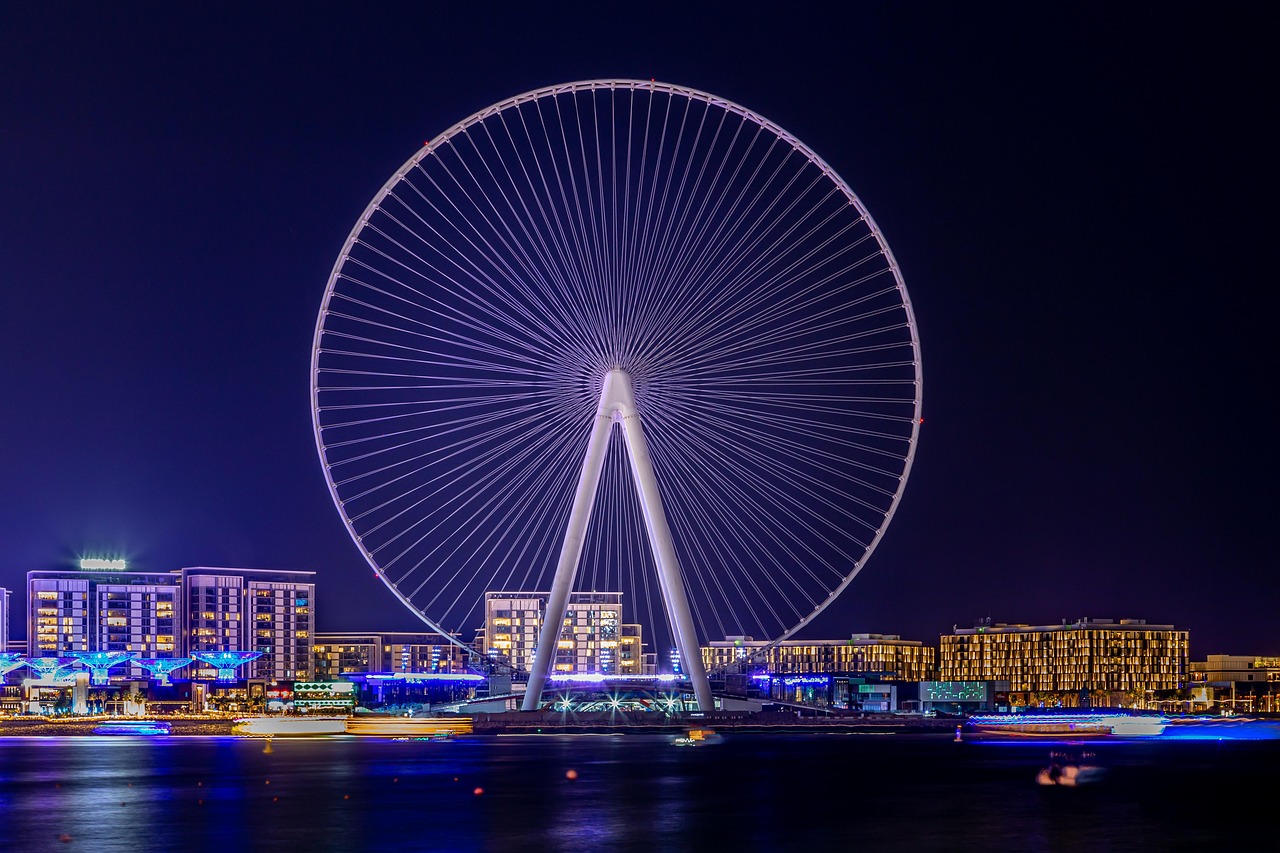
Photography functions as a visual language where technical elements translate directly into emotional resonance. Every frame communicates a distinct mood long before the viewer registers the actual subject matter. Two fundamental pillars govern this visual communication: the arrangement of light and the choice of perspective. Mastering how lighting composition and perspective change the feeling of a photograph allows creators to move beyond mere documentation and enter the realm of evocative storytelling. The interplay between shadows, highlights, horizon placement, and camera angles dictates whether an image feels triumphant, eerie, tranquil, or oppressive. Understanding these mechanisms requires analyzing how the human eye and brain process visual stimuli, translating geometric and luminous arrangements into visceral emotional responses.
The Psychology of Light: Hard, Soft, and Directional Illumination
Light serves as the primary brush of the visual artist, carving shapes out of darkness and establishing the foundational emotional tone of an image. The physical quality of light—its hardness, softness, and angle—triggers immediate psychological reactions rooted in human evolution and cultural conditioning. Hard light, characterized by intense, direct rays and sharply defined shadows, creates high-contrast environments that heighten tension and drama. When harsh sunlight strikes a subject from the side, surface textures become prominent, emphasizing ruggedness, age, or grit. This technique is frequently studied in specialized analysis on visual tension in photography, where experts note that abrupt transitions between light and dark force the viewer’s eye to navigate a scene with heightened alertness.
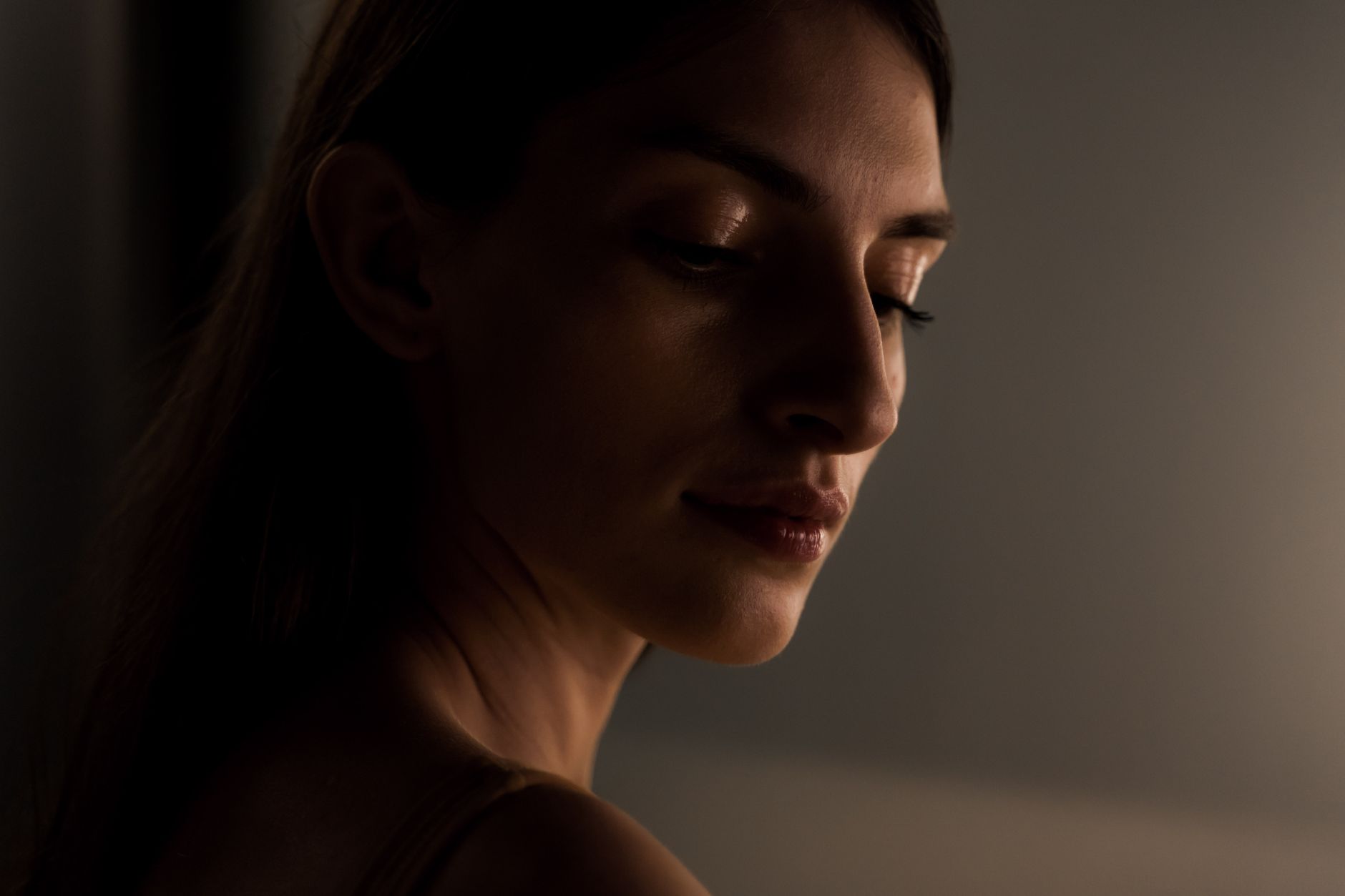
Conversely, soft light wraps around the subject, diffusing shadows and creating gentle gradients. Overcast skies or large studio softboxes produce this effect, which naturally evokes feelings of serenity, intimacy, and melancholy. The absence of aggressive contrast allows the viewer to relax, making soft light the preferred choice for portraits that aim to convey vulnerability or warmth. Beyond hardness, the direction of light completely alters context. Front lighting flattens dimensions and minimizes texture, often rendering a subject cheerful or straightforward. Side lighting introduces depth, drama, and mystery by plunging half the subject into shadow. Backlighting, or silhouette lighting, creates a sense of isolation, grandeur, or existential reflection by obscuring facial features while outlining the subject against a glowing background.
Compositional Geometry: Guiding the Eye and Evoking Mood
Composition goes far beyond the basic rule of thirds; it represents the structural blueprint of visual psychology. How elements within a frame relate to one another establishes balance, instability, harmony, or chaos. When lines converge toward a single vanishing point, the viewer experiences a powerful sense of depth and forward momentum, drawing them psychologically into the scene. This geometric arrangement can transform a static landscape into an immersive journey. Conversely, breaking established compositional rules introduces deliberate discomfort. Utilizing negative space effectively can isolate a subject, evoking profound loneliness or quiet contemplation, a technique extensively covered in academic studies on spatial psychology in visual arts.
Framing within a frame—using natural elements like doorways, tree branches, or windows—creates a voyeuristic feeling, as though the viewer is observing a private moment from a hidden vantage point. The weight distribution of subjects within the frame also dictates emotional gravity. Placing a subject at the very bottom of a massive, dark frame makes them appear small, vulnerable, and overwhelmed by their environment. Placing that same subject centrally with symmetrical balance conveys stability, authority, and calm. Photographers manipulate these geometric variables deliberately to ensure that the emotional subtext of the image aligns precisely with the intended message, bypassing the need for explicit verbal explanation.
Perspective and Angle: Shifting Power Dynamics Through the Lens
The physical positioning of the camera relative to the subject alters the power dynamics of the photograph. Perspective is not merely a matter of distance; it is a psychological lever that dictates how the viewer relates to the subject matter. Eye-level perspectives foster a sense of equality and neutrality, inviting the viewer to engage with the subject as an equal peer. This neutral vantage point creates documentary-style honesty, allowing the subject to speak for itself without artistic manipulation of scale.
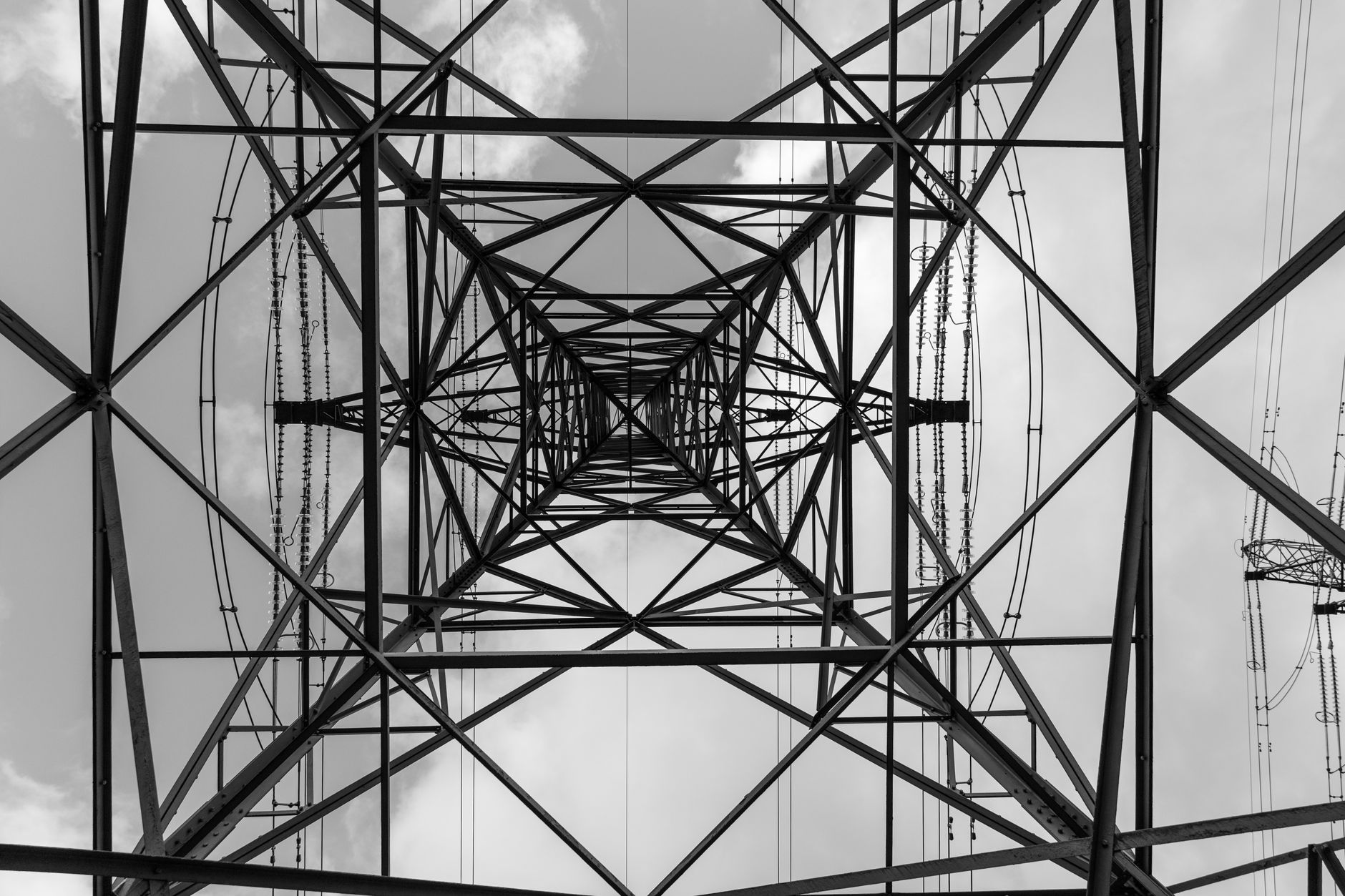
Shooting from a low angle, looking upward at the subject, immediately imbues that subject with power, dominance, and monumental scale. Even ordinary architectural elements or everyday objects assume a heroic or intimidating presence when viewed from below. This technique is routinely analyzed in discourse regarding cinematic framing and camera angles, where low angles consistently signal strength and threat. Conversely, a high angle—looking down upon the subject—diminishes their presence, making them appear vulnerable, insignificant, or trapped. Bird’s-eye views abstract the world into geometric patterns, detaching the viewer from the emotional weight of individual subjects and presenting a God-like perspective of systemic order or chaos.
The Intersection of Light and Perspective
The true mastery of visual storytelling emerges when lighting and perspective work in tandem to reinforce a singular emotional theme. Consider a solitary figure standing in a vast, desolate landscape under a low-hanging overcast sky. If the photographer employs a high-angle wide shot, the combination of soft, melancholic light, expansive negative space, and a downward perspective creates an overwhelming feeling of isolation and existential smallness. If that same figure is captured from a low angle with dramatic backlighting at sunset, the emotional tone shifts entirely into one of resilience, triumph, and defiant endurance against the elements.
This synergistic effect requires meticulous planning. The angle of the camera must complement the direction of the light source to avoid visual contradiction. For instance, placing hard front lighting on a low-angle shot creates a jarring mismatch where the heroic perspective conflicts with the flat, uninspired illumination. Advanced practitioners often reference resources on advanced lighting techniques to ensure that shadow falloff aligns logically with spatial depth. When these elements synchronize, the photograph transcends its physical boundaries, communicating a complex emotional narrative instantly and universally.

Comparison of Visual Techniques and Emotional Impacts
| Technique Component | Specific Variation | Primary Emotional Impact | Best Suited For |
|---|---|---|---|
| Lighting Quality | Hard, Direct Light | Tension, grit, high drama | Street photography, industrial scenes |
| Lighting Quality | Soft, Diffused Light | Serenity, intimacy, vulnerability | Portraiture, misty landscapes |
| Lighting Direction | Backlighting / Silhouette | Mystery, isolation, grandeur | Dramatic sunsets, heroic profiles |
| Composition | High Negative Space | Loneliness, contemplation, minimalism | Fine art photography, conceptual work |
| Perspective | Low Angle (Looking Up) | Power, dominance, intimidation | Architecture, heroic portraits |
| Perspective | High Angle (Looking Down) | Vulnerability, smallness, abstraction | Narrative storytelling, landscape overviews |
Navigating Common Challenges in Emotional Photography
Translating an intangible emotion into a tangible photograph presents significant technical hurdles. One of the most frequent challenges involves managing high-contrast lighting situations where the emotional intent is lost due to blown highlights or crushed shadows. Maintaining tonal range without sacrificing mood requires an understanding of sensor capabilities and exposure blending. Technical guides provided by organizations such as Digital Photography School offer practical frameworks for balancing exposure while preserving the dramatic contrast essential for moody compositions.
Another common obstacle is perspective fatigue, where photographers default to standard eye-level shots out of habit. Overcoming this requires deliberate physical movement—kneeling, climbing, stepping back, or pressing close to the subject. Changing the focal length inherently alters perspective compression, shifting the relationship between the foreground and background. Wide-angle lenses exaggerate spatial distances, making backgrounds feel miles away and amplifying feelings of isolation. Telephoto lenses compress space, stacking background elements tightly behind the subject to create a sense of claustrophobia or intense intimacy. Intentional selection of focal length, paired with deliberate lighting and physical angles, resolves these creative roadblocks and ensures the final image resonates with the intended emotional frequency.
Frequently Asked Questions
How does lighting direction change the mood of a portrait?
Lighting direction dictates where shadows fall on the human face, altering perceived character and emotion. Front lighting minimizes flaws and feels open and honest. Side lighting emphasizes texture and creates mystery, while backlighting creates a dramatic, silhouetted effect that feels distant or heroic.
Why does a low camera angle make a subject look powerful?
A low camera angle forces the viewer to look upward, mimicking the physical posture of a child looking at an adult. This perspective triggers psychological associations of authority, dominance, and scale, making the subject appear larger-than-life.
Can composition alone create an emotional response without dramatic lighting?
Yes, composition relying on geometry, leading lines, and negative space can evoke strong feelings of calm, chaos, or loneliness. However, combining strong composition with deliberate lighting amplifies the emotional impact exponentially.
What is the difference between soft light and hard light in storytelling?
Soft light features gradual transitions between light and shadow, evoking gentle, calm, or melancholic moods. Hard light creates sharp, high-contrast edges that communicate tension, energy, and harsh realism.
How does focal length affect perspective and emotion?
Wide-angle lenses expand perceived distances, creating a sense of vastness or distortion that can feel alienating. Telephoto lenses compress space, bringing the background closer to the subject, which can induce feelings of intimacy or claustrophobia.
Conclusion
The transformation of a simple scene into a resonant visual experience relies entirely on the deliberate control of illumination, spatial arrangement, and physical vantage points. How lighting composition and perspective change the feeling of a photograph is not a matter of rigid formulas, but of understanding the deep psychological bridges connecting geometry, luminosity, and human emotion. By consciously selecting whether to embrace soft or hard light, central symmetry or asymmetric negative space, and towering low angles or detached high perspectives, creators dictate the exact emotional journey of the viewer. Refining this craft demands continuous experimentation, critical observation of natural light patterns, and a willingness to move the camera away from standard eye-level habits. Embracing these principles elevates photography from a mechanical recording process into a profound medium of emotional expression and enduring visual art.
