

The magic of cinema often feels like an invisible alchemy. Viewers sit in darkened theaters or watch screens at home, yet they find themselves weeping during a tragic farewell, gripping their armrests during a chase, or smiling at a quiet romantic reconciliation. This emotional transference does not happen by accident. Behind every powerful cinematic moment lies a precise, collaborative orchestration of three core elements: the auditory architecture of the score, the psychological framing of illumination, and the visual storytelling of the camera. When these components synchronize, they transform standard dramatic writing into an enduring cultural experience. Analyzing how filmmakers use music lighting and cinematography reveals the rigorous technical and artistic frameworks required to manipulate audience perception and evoke deep psychological responses.
The Psychology of Visual Framing in Cinematography
Cinematography functions as the primary visual language of film, dictating not only what the audience sees but also how they are meant to feel about it. Every lens choice, camera movement, and composition acts as a psychological filter. When directors collaborate with directors of photography, they establish a visual grammar that mirrors the internal state of the characters or sets a specific thematic tone for the narrative.
Consider the deliberate use of focal lengths. Wide lenses, such as 18mm or 24mm, distort space slightly and expand the background, which directors frequently use to isolate a character within a hostile or overwhelming environment. Conversely, telephoto lenses compress space, often employed in thrillers to create a sense of claustrophobia or to trap a subject between layers of out-of-focus foreground and background elements.
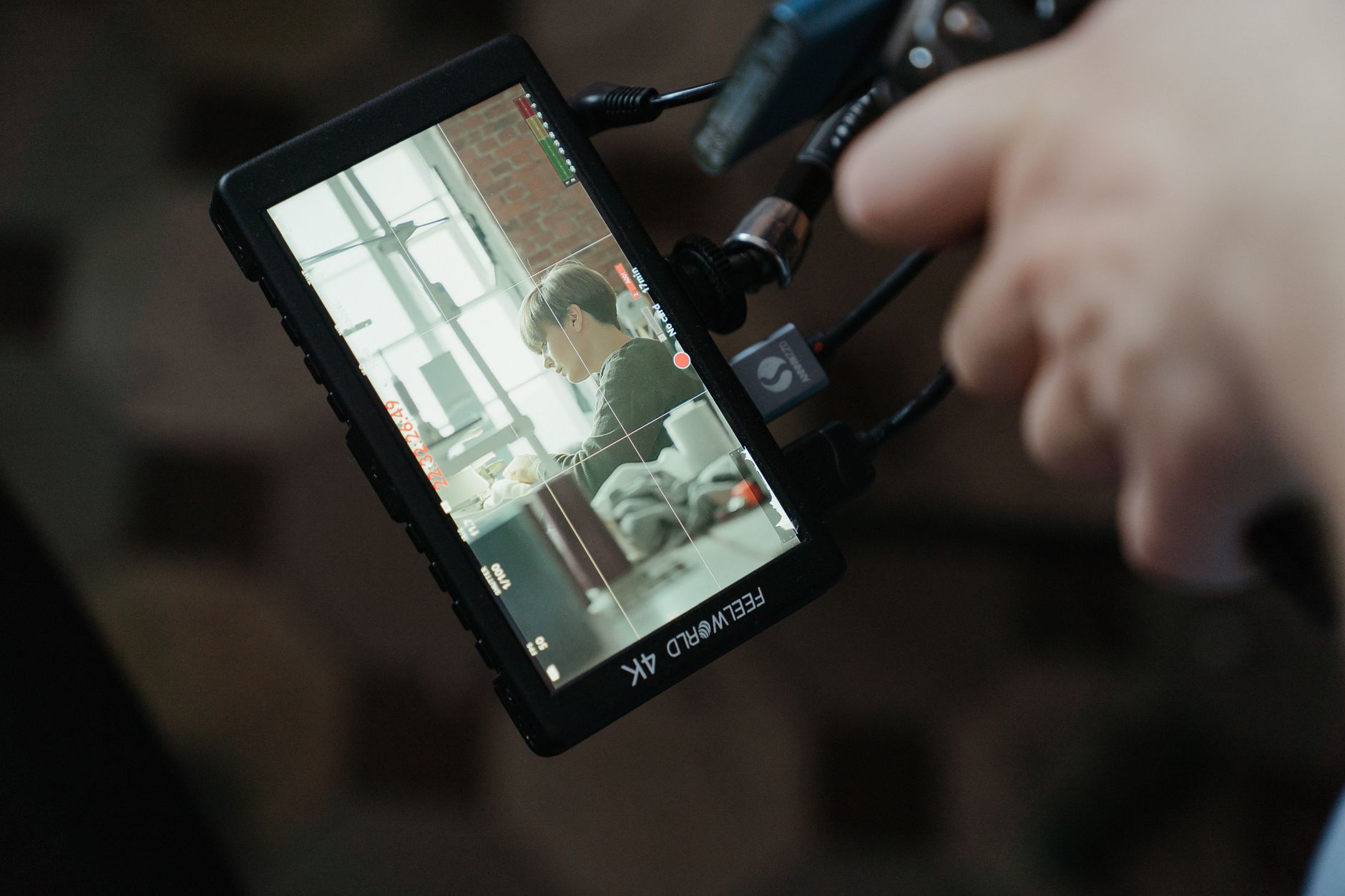
Camera movement further deepens this connection. A static tripod shot establishes stability, objectivity, and formal distance, whereas handheld camera work introduces subtle kinetic energy that conveys anxiety, documentary-style realism, or visceral chaos. Steadicam shots allow the camera to glide fluidly through physical spaces, placing the viewer directly in the footsteps of the moving subject without the jarring instability of a purely handheld rig. Through these deliberate choices in framing and movement, visual storytelling establishes a subconscious foundation long before a single line of dialogue is spoken.
Painting with Shadows: The Role of Lighting in Mood Construction
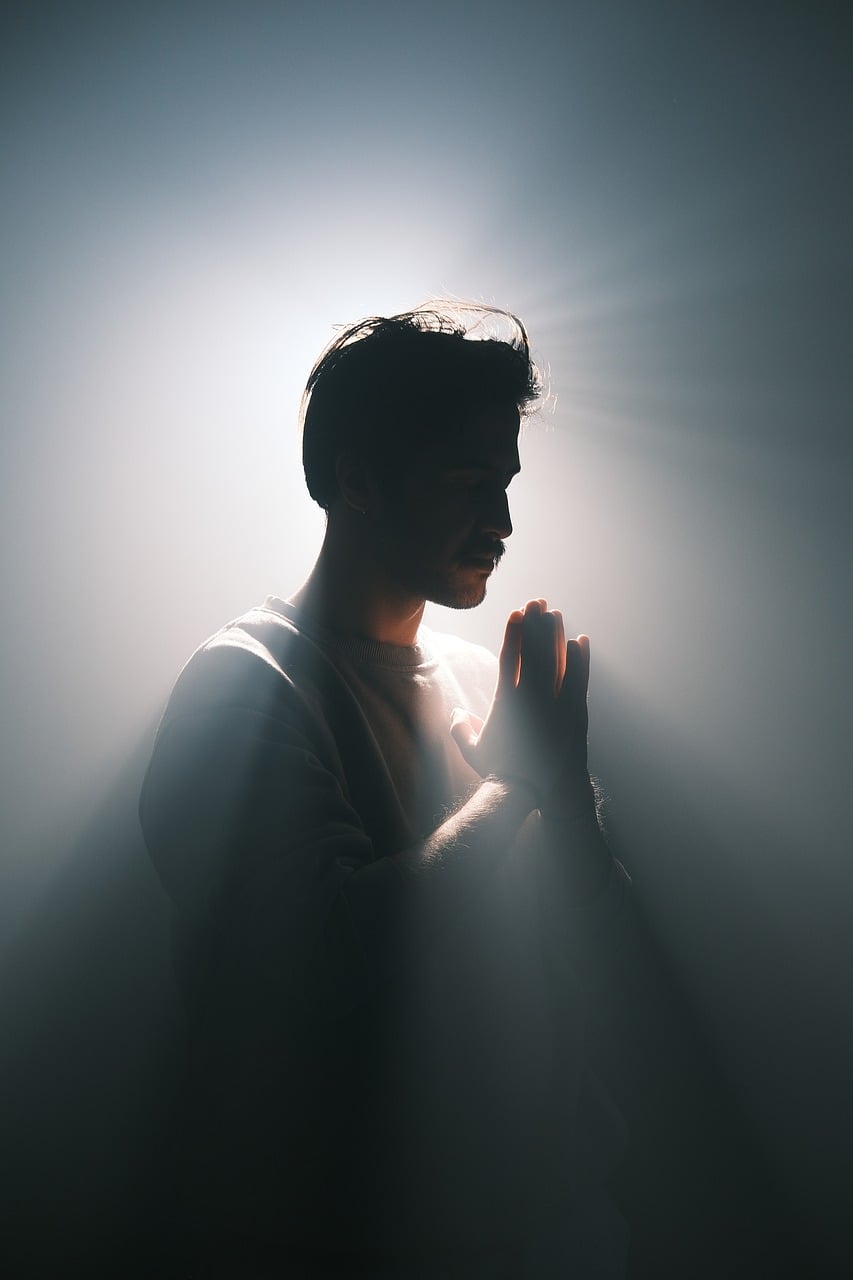
While cinematography structures the physical space, lighting breathes life, texture, and psychological depth into that space. Lighting design is far more than mere illumination; it is a calculated manipulation of exposure, shadow, and color temperature designed to guide the viewer’s eye and evoke distinct emotional states.
Low-key lighting—characterized by stark contrasts, deep shadows, and minimal fill light—is the cornerstone of suspenseful and dramatic genres like film noir and psychological thrillers. By obscuring portions of the frame, filmmakers utilize the psychological power of the unknown, forcing the audience to project their fears into the shadows. High-key lighting, on the other hand, floods the set with bright, even illumination, minimizing shadows to create upbeat, optimistic, or sterile atmospheres commonly found in comedies and commercials.

Color temperature plays an equally vital role in narrative construction. Warm amber and orange tones frequently signal safety, nostalgia, or intimacy, while cold cyan and blue hues evoke isolation, clinical detachment, or danger. By shifting these color palettes across different acts of a film, directors chart a character’s emotional trajectory, signaling subtle shifts in allegiance, mental stability, or environmental safety without relying on explicit exposition.
The Auditory Canvas: How Musical Scores Elevate Visuals
Sound design and musical scoring operate in the temporal realm, driving the rhythm of a scene and dictating its emotional heartbeat. A masterful musical score does not merely duplicate what is happening on screen; it comments on the action, provides subtext, and bridges the gap between the character’s internal experience and the audience’s empathy.
Leitmotifs—recurring musical themes associated with specific characters, places, or ideas—serve as powerful narrative anchors. When a character undergoes a moral transformation, the orchestral arrangement of their leitmotif often shifts in instrumentation, tempo, or harmonic structure to reflect that evolution. A theme initially played softly on a solitary piano might later return as a triumphant brass fanfare or a dissonant, distorted string arrangement, instantly communicating the character’s descent or triumph.

Rhythm and tempo are equally critical. Fast, percussive tempos accelerate heart rates during action sequences, while sustained, ambient drone notes create dread in horror films. Silence, too, functions as a potent musical tool. By dropping the musical score entirely at a critical narrative juncture, filmmakers strip away the emotional safety net, leaving viewers face-to-face with raw, unfiltered reality.
Comparative Analysis of Technical Execution
| Element | Primary Objective | Key Technical Tools | Psychological Impact |
|---|---|---|---|
| Cinematography | Spatial orientation and visual perspective | Focal lengths, camera movement, framing | Establishes objectivity, intimacy, or alienation |
| Lighting | Mood generation and visual hierarchy | Low-key/high-key ratios, color temperature | Induces suspense, warmth, dread, or clarity |
| Music | Emotional resonance and temporal pacing | Leitmotifs, tempo, instrumentation, silence | Directs empathy, accelerates tension, or highlights irony |
The Synthesis of Sight and Sound in Climax Construction
The true mastery of filmmaking emerges when these three pillars—music, lighting, and cinematography—converge during pivotal narrative sequences. A climax fails or succeeds based on the synchronization of these elements. If the camera movement contradicts the tempo of the music, or if the lighting style undermines the emotional intent of the scene, the illusion shatters, pulling the audience out of the narrative.
When successfully executed, this convergence creates a sensory feedback loop. For example, during a tense negotiation scene, the cinematography might slowly push in on a character’s face via a gradual zoom, narrowing the visual field. Simultaneously, the lighting design might subtly increase the shadow ratio on one side of the face as the dialogue grows hostile. Underneath these visual cues, a low-frequency string drone slowly builds in volume and pitch, creating cumulative pressure. When the scene reaches its breaking point, the sudden cut to a wide angle, paired with a drop in music and a burst of harsh light, mimics psychological shock, ensuring the audience feels the trauma or realization alongside the protagonist.
Frequently Asked Questions
What is the most important element in creating a memorable movie scene?
No single element operates in isolation. Memorable scenes rely on the seamless integration of cinematography, lighting, and music. If one element dominates or contradicts the others without narrative justification, the impact is diminished.
How does lighting influence audience perception in film?
Lighting directs visual attention, establishes time and place, and sets the emotional tone. Shadows evoke uncertainty and fear, while bright, diffused light conveys safety, openness, or artificiality.
Why are leitmotifs used in film scores?
Leitmotifs provide immediate subconscious recognition. When audiences hear a specific musical theme, it triggers memories of previous scenes, character motivations, and thematic associations, enriching the current narrative moment.
Can a scene succeed without music?
Yes. Many directors utilize absolute silence or natural ambient sound to create realism, heighten tension, or emphasize stark isolation. Removing music forces the audience to focus entirely on visual cues and dialogue performance.
Conclusion
The creation of unforgettable cinema requires an intricate mastery of audiovisual craft. By understanding how filmmakers use music lighting and cinematography, analysts and aspiring creators alike gain a deeper appreciation for the rigorous discipline behind the art form. These elements do not merely decorate a story; they construct its reality, dictating how humanity perceives conflict, beauty, tension, and resolution on the silver screen. Through the calculated interplay of shadow, lens, and score, movies transcend mere projection to become enduring cultural touchstones. As technology evolves and new storytelling mediums emerge, the fundamental principles of visual framing, purposeful illumination, and emotional orchestration remain the definitive bedrock of compelling narrative art.

