

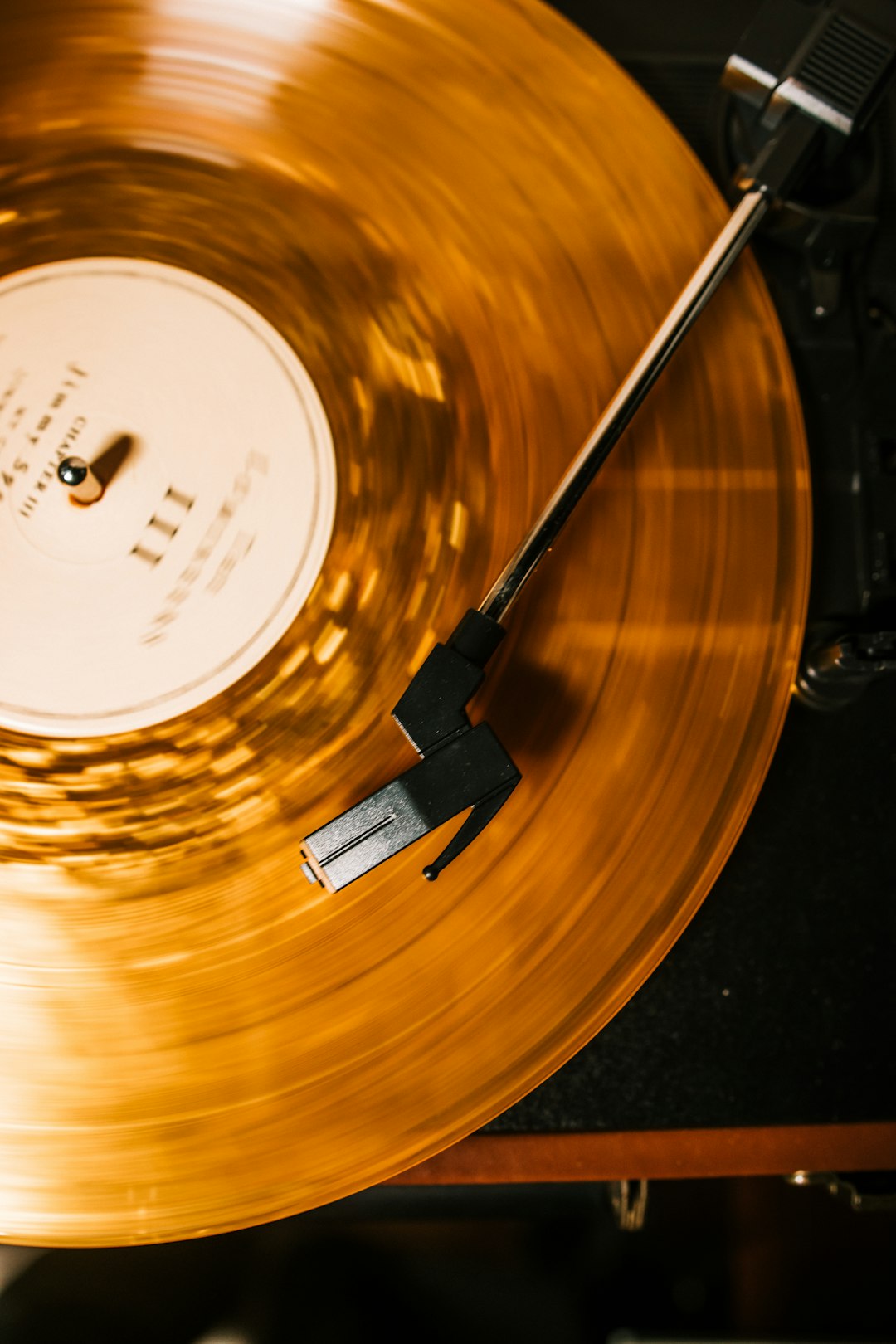
In an era defined by compressed digital streams, ephemeral algorithmic recommendations, and smartphone speakers, the global resurgence of vinyl records stands as a profound cultural counter-revolution. Music consumers are actively turning away from invisible audio files in search of physical permanence, album artwork you can hold in both hands, and the warm, uncompressed acoustic fidelity of analog sound. Listening to a vinyl record is not a passive background activity; it is an immersive, sensory ritual. Sliding a 12-inch disc from its inner sleeve, inspecting the microgrooves beneath warm light, gently lowering the cueing lever, and watching the diamond stylus drop into the lead-in groove creates an emotional communion with the artist that streaming algorithms simply cannot deliver. Whether you inherited a stack of vintage rock albums or are building your setup from scratch, this comprehensive master guide provides the technical knowledge, equipment recommendations, and maintenance protocols required to start and protect a world-class vinyl collection.
Table of Contents
- 1. Mechanical Anatomy: How a Turntable Extracts Sound
- 2. Belt-Drive vs. Direct-Drive: Choosing Your Deck
- 3. Phono Cartridges and the RIAA Equalization Curve
- 4. Beginner Turntable Gear Comparison
- 5. Mastering the Goldmine Record Grading System
- 6. Vinyl Care, Archival Sleeves, and Wet Cleaning Rituals
- 7. Frequently Asked Questions
- 8. Curating a Collection That Stands the Test of Time
1. Mechanical Anatomy: How a Turntable Extracts Sound
To appreciate vinyl playback, one must grasp its mechanical precision. A vinyl record’s spiral groove contains microscopic physical undulations cut at 45-degree angles, representing left and right stereo audio channels. As the platter rotates at 33 1/3 or 45 revolutions per minute (RPM), a microscopic diamond stylus tracing this groove vibrates back and forth.
These mechanical vibrations travel up an aluminum or boron cantilever to the phono cartridge. Inside the cartridge, tiny magnets vibrating near copper coils (or vice versa) generate a microscopic electromagnetic current through Faraday’s Law of Induction. This tiny electrical signal-measuring mere millivolts-is the raw musical waveform that will eventually fill your listening room.
2. Belt-Drive vs. Direct-Drive: Choosing Your Deck
When selecting your initial turntable, avoid cheap, novelty all-in-one suitcase players equipped with red ceramic styluses. These units lack counterweights, exerting excessive tracking force (often exceeding 5 to 6 grams) that permanently gouges vinyl grooves and degrades sound quality. Instead, choose a component turntable offering either of two drive designs:
- Belt-Drive Turntables: The electric motor is physically decoupled from the platter, driving it via an elastic rubber belt. This isolates mechanical motor rumble and electrical hum, yielding a quieter background noise floor favored by hi-fi audiophiles.
- Direct-Drive Turntables: The platter sits directly atop a multi-pole electric motor. Pioneered by Technics (e.g., the legendary SL-1200), direct-drive decks provide instantaneous start/stop torque, rock-solid pitch stability (zero belt stretch), and the ability to spin backward for DJ beat-matching and scratching.
3. Phono Cartridges and the RIAA Equalization Curve
A turntable cannot simply be plugged into standard AUX or 3.5mm speaker inputs without dedicated amplification. This is due to two critical acoustic realities:
- Signal Amplification: A Moving Magnet (MM) cartridge produces an electrical output of only 3 to 5 millivolts. A specialized phono preamplifier must boost this signal by roughly 40 to 45 decibels to achieve standard 1-volt “line level.”
- The RIAA Equalization Curve: Because low-frequency bass notes produce large, wide groove excursions that would cause the needle to skip out of the track, recording engineers cut vinyl records with significantly reduced bass (-20 dB) and boosted treble (+20 dB) according to the Recording Industry Association of America (RIAA) curve. The phono pre-amp applies the exact reciprocal curve during playback-boosting bass back to full richness and attenuating treble back to natural balance while suppressing high-frequency groove hiss.
4. Beginner Turntable Gear Comparison
Evaluating standard beginner audio configurations ensures you invest your budget into components that maximize audio quality and record longevity.
| Setup Hierarchy | Key Hardware Components | Tracking Force Adjustment | Sound Quality & Fidelity | Groove Safety Rating |
|---|---|---|---|---|
| Suitcase All-in-One | Plastic chassis, tiny built-in speakers | None (fixed 5-7g ceramic stylus) | Extremely poor, distorted, tinny | Hazardous (accelerated record wear) |
| Entry Hi-Fi (Powered) | Belt deck with built-in preamp + powered monitors | Adjustable counterweight (1.5 – 2.5g) | Warm, clean, clear stereo imaging | Excellent (protective diamond stylus) |
| Audiophile Modular | Audiophile deck + outboard preamp + integrated amp | Precision counterweight & anti-skate dial | Exceptional dynamic range & detail | Flawless (negligible groove friction) |
| DJ Direct-Drive | High-torque direct motor + DJ mixer + PA/monitors | Heavy-duty tonearm & tracking dials | Punchy, rhythmic, robust low-end | Very Good (when aligned properly) |
5. Mastering the Goldmine Record Grading System
When hunting for vintage vinyl in physical crates or online marketplaces like Discogs, understanding the industry-standard Goldmine Grading System is essential to avoid overpaying for damaged discs:
- Mint (M): Absolutely flawless in every dimension. Typically factory sealed. Used very sparingly by reputable dealers.
- Near Mint (NM): An open record that appears virtually unplayed. Glossy vinyl surface with zero visible paper scuffs, scratches, or spindle marks.
- Very Good Plus (VG+): The collector’s sweet spot. May exhibit minor cosmetic sleeve scuffs or faint hairlines that do not affect playback. Surface noise is minimal and confined to quiet lead-in grooves.
- Very Good (VG): Visibly played with light scratches that can be felt with a fingernail. Surface noise, pops, and clicks will be audible during quiet acoustic passages, but the record will not skip.
- Good (G) / Good Plus (G+): Severe surface wear, groove wear distortion, significant noise, potential skips. Only valuable as a placeholder for ultra-rare collector pressings.
6. Vinyl Care, Archival Sleeves, and Wet Cleaning Rituals
Unlike digital files, vinyl records require intentional maintenance to preserve acoustic clarity:
- Dry Cleaning Before Every Spin: Hold a carbon fiber anti-static brush lightly against the rotating record for 3 to 4 revolutions, sweeping gently off the edge to lift airborne lint and discharge static electricity.
- Archival Inner Sleeves: Discard rough paper inner sleeves, which shed wood pulp dust and cause micro-scratches during removal. Replace them with anti-static, high-density polyethylene (HDPE) rice-paper sleeves (such as MoFi Original Master Sleeves).
- Deep Wet Cleaning: Over decades, oils and microscopic dust cement inside deep groove valleys. Use a specialized record-cleaning fluid (distilled water, isopropyl alcohol, and surfactant wetting agent) paired with a microfiber wand or an ultrasonic bath to restore dead-silent backgrounds.
- Vertical Storage Only: Never store vinyl records horizontally stacked on top of one another. The immense collective weight will warp lower records, crush jackets, and induce ring wear. Always store jackets upright in a cool, dry environment.
7. Frequently Asked Questions
What is the difference between 33 1/3, 45, and 78 RPM records?
33 1/3 RPM is standard for 12-inch Long Play (LP) albums, holding roughly 22 minutes of music per side. 45 RPM is used for 7-inch singles and high-fidelity audiophile pressings, where faster rotation spreads audio data over more groove length, improving high-frequency dynamics. 78 RPM records are antique shellac discs from the pre-1950s requiring specialized wide styluses.
How often should I replace my turntable needle (stylus)?
A standard elliptical diamond stylus lasts approximately 800 to 1,000 hours of active playback. Playing records with a worn stylus will permanently chisel high frequencies out of your vinyl grooves. Replace your stylus promptly if you detect distortion or sibilance.
What does “180g vinyl” mean and does it sound better?
“180-gram” refers to the physical weight of the pressed vinyl puck. While heavier vinyl does not inherently improve audio fidelity (the sound quality depends on the mastering and source tapes), 180g discs are more resistant to warping and provide a more stable platform on the platter.
Why do I hear a loud humming noise through my speakers?
A continuous 50Hz/60Hz ground hum indicates that your turntable’s grounding wire is not connected to the grounding terminal on your phono pre-amp or receiver. Securing this spade connector eliminates grounding loops.
What is anti-skate and how do I adjust it?
As a tonearm plays across a rotating record, centripetal friction pulls the stylus toward the center spindle. Anti-skate applies a gentle outward magnetic or spring force, ensuring the diamond applies equal pressure against both inner and outer groove walls.
What are runout matrix numbers?
Matrix numbers are alphanumeric codes hand-etched or stamped into the blank vinyl groove dead-wax between the music tracks and paper center label. Collectors use matrix codes to identify the specific pressing plant, lacquer cutting engineer, and edition history of a record.
Is vinyl truly better than lossless digital streaming?
Digital audio offers superior technical dynamic range and zero signal-to-noise distortion. However, vinyl provides continuous analog waveforms without digital brickwall filtering, mastered specifically for dynamic breathing room. Above all, vinyl delivers a physical, emotional, and intentional listening experience that digital streaming cannot duplicate.
8. Curating a Collection That Stands the Test of Time
Starting a vinyl collection is far more than an audiophile hobby; it is a declaration that art and music deserve dedicated attention and physical reverence. By investing in quality playback components, mastering the art of crate digging, and caring for your physical records with archival precision, you cultivate a living cultural archive that can be cherished for a lifetime and passed down to future generations.


1 Comment
Pingback: The Resonance of Tape: Why Analog Cassette Culture is Making a Comeback – Anemoia