


The modern cultural landscape is deeply fascinated by aesthetic echoes from previous decades. Contemporary media, high-fashion runways, and mainstream consumer markets continually borrow from historical eras, bridging the gap between past craftsmanship and current trends. This phenomenon is not merely a passing phase of nostalgia; it represents a fundamental shift in how society consumes culture. By examining how vintage fashion, music, and physical products interact, observers can understand the continuous loop of inspiration that defines modern entertainment, design, and lifestyle choices. Historical revivals manifest across diverse mediums, proving that cultural artifacts hold enduring value long after their initial commercial peak.
The Mechanics of Retro Revival in Modern Media
Cultural trends rarely emerge in a vacuum. Instead, they rely on cyclical revivals where historical aesthetics are reintroduced to younger generations through contemporary platforms. The resurgence of 1990s and Y2K fashion aesthetics on social media highlights how digital algorithms accelerate the adoption of past styles. When legacy musicians sample disco records from the 1970s or adopt the synthesizer-heavy sounds of the 1980s, they trigger a cascade of visual and auditory nostalgia. This cross-pollination between audio and visual mediums creates immersive cultural moments that resonate deeply with audiences seeking authenticity in an increasingly digital world.
Media production houses capitalize on this dynamic by setting contemporary television series and films in past decades, which subsequently dictates current retail demands. Costume designers working on period dramas often collaborate with major fashion houses to recreate archival looks, sparking immediate consumer interest in vintage silhouettes. Consequently, high-street retailers rapidly manufacture affordable interpretations of these historical garments, bridging the gap between elite runway collections and everyday wardrobes. This systemic recycling of culture demonstrates that public fascination with previous eras is carefully sustained by interconnected creative industries.
Soundscapes of Yesterday Shaping Today’s Charts
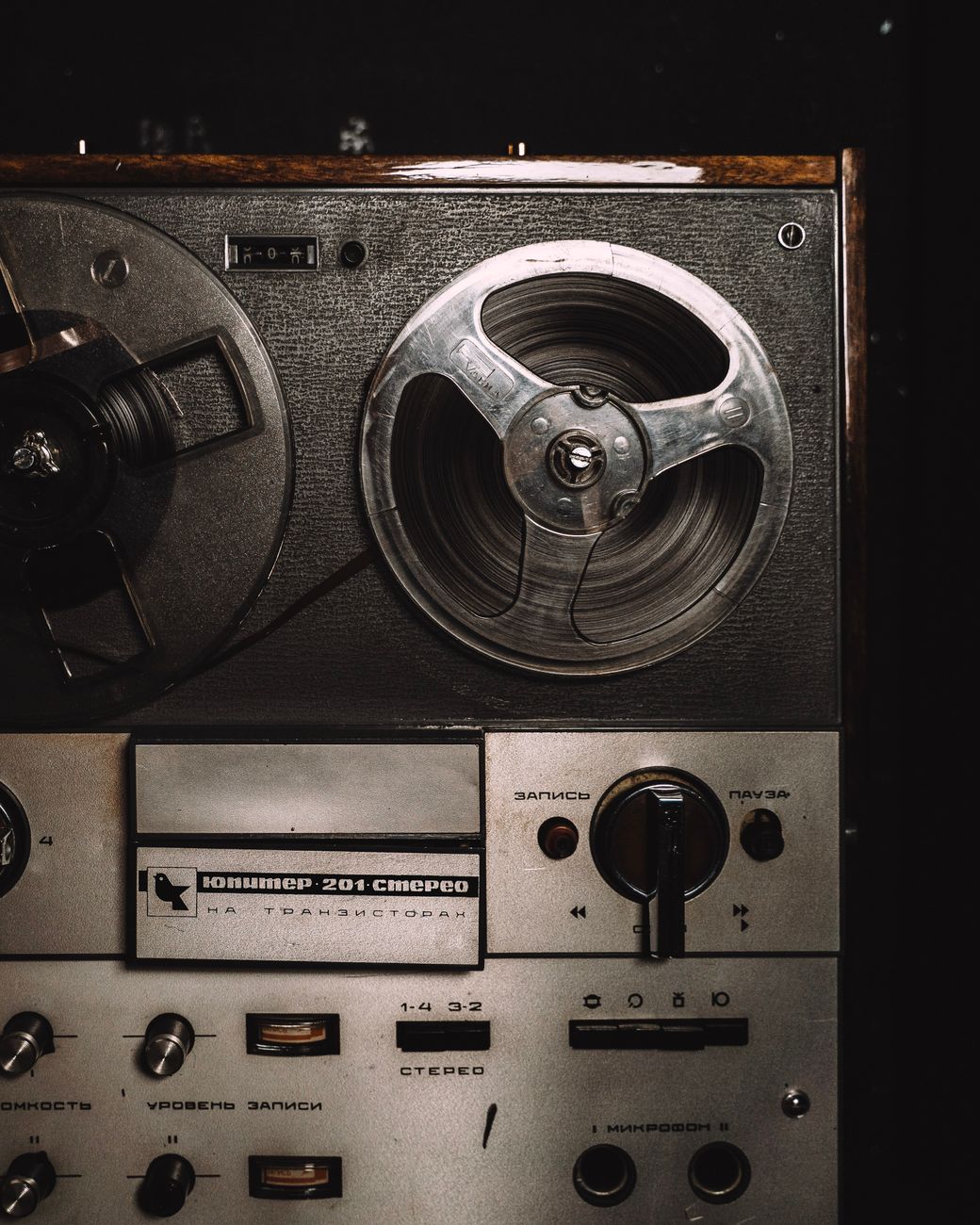
Music serves as a powerful anchor for historical aesthetics, often dictating the mood and visual identity of a generation. The contemporary music industry relies heavily on sonic signatures from the past, blending vintage analog recording techniques with modern digital production. Artists frequently utilize authentic vintage synthesizers, drum machines, and reel-to-reel tape recorders to replicate the warm, textured sound of mid-century recordings. This deliberate choice appeals to listeners fatigued by the hyper-compressed, sterile sound of modern digital-only production.
Beyond production techniques, music genres from the 1960s, 70s, and 80s heavily influence current fashion subcultures. The revival of vinyl record culture correlates directly with the popularity of retro clothing styles among Gen Z and millennial demographics. Record stores and vintage boutiques often share physical or digital retail spaces, reinforcing the symbiotic relationship between historical music consumption and aesthetic identity. Music festivals further amplify this trend, functioning as open-air museums where attendees curate outfits inspired by Woodstock, 1990s grunge, or early electronic dance music scenes.
Material Culture: The Enduring Appeal of Vintage Products
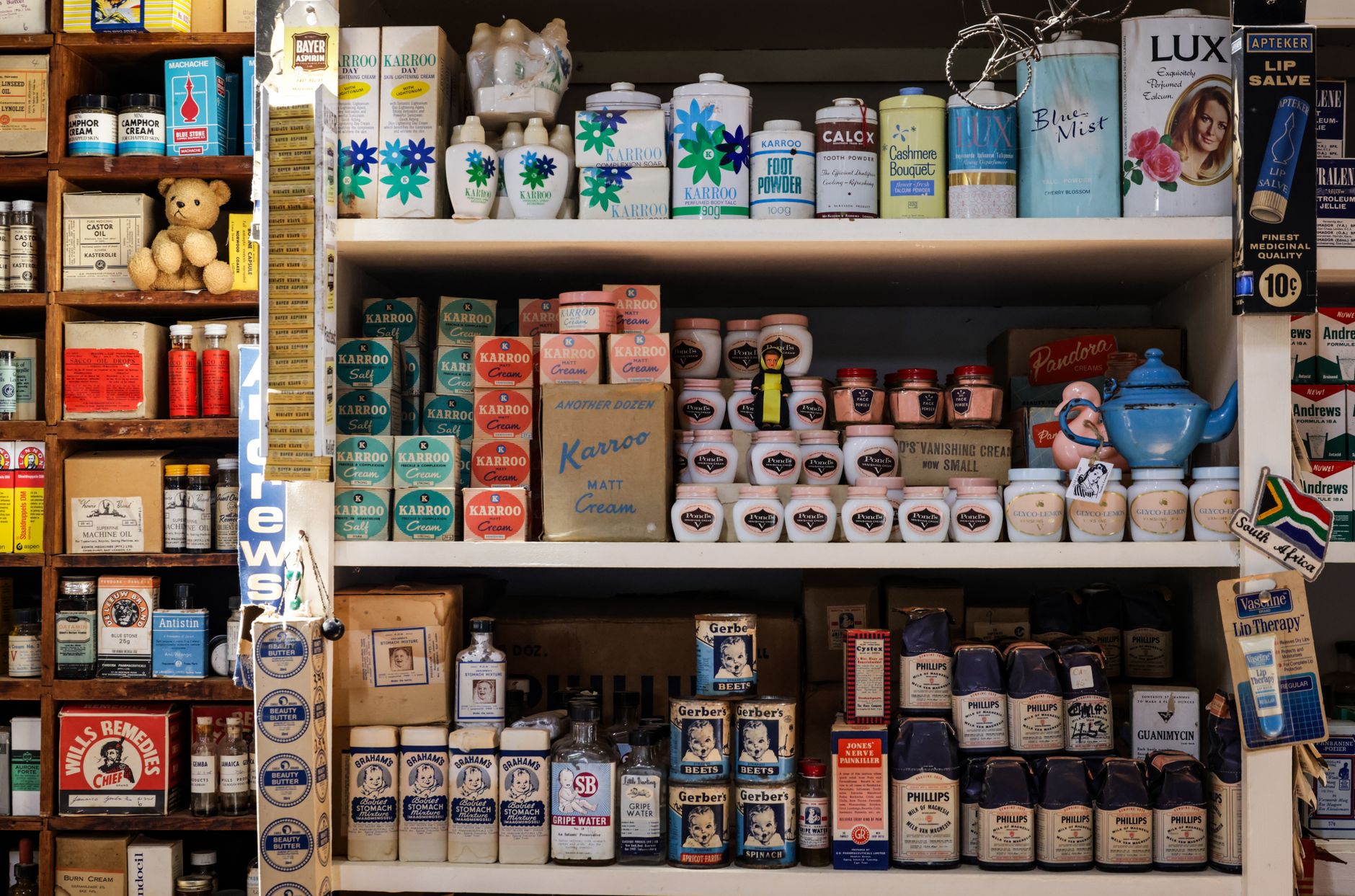
Physical consumer goods hold a unique status in contemporary society, where mass production often creates a desire for items with distinct character and history. The market for vintage home decor, analog cameras, and classic automobiles has expanded exponentially, driven by a cultural appreciation for durability and craftsmanship. Consumers increasingly reject disposable culture in favor of products that tell a story, leading to high demand for mid-century modern furniture, mechanical watches, and classic vinyl players.
| Category | Vintage Influence | Modern Cultural Impact |
|---|---|---|
| Fashion | 1990s streetwear, 70s tailoring | Dominates runway trends and thrift market economies |
| Music | Analog recording, vinyl records | Drives physical media sales and retro-pop production |
| Products | Mid-century decor, film cameras | Fuels aesthetic branding and sustainable consumerism |
This gravitation toward physical products extends to industrial design, where modern technology brands frequently adopt retro color palettes and tactile interfaces to evoke a sense of familiarity and trust. The tactile feedback of mechanical keyboards, the aesthetic of film photography on social media platforms, and the resurgence of retro-styled kitchen appliances illustrate that consumers crave sensory engagement. These products provide a comforting counterweight to the intangible nature of cloud-based digital experiences.
The Economic Shift: Thrift Culture and Sustainable Consumption
The commercial landscape has adapted significantly to the public’s obsession with the past. The rise of specialized online resale platforms has transformed thrift shopping from a niche hobby into a multi-billion-dollar global industry. Consumers no longer view secondhand goods as compromises due to budget constraints; instead, vintage items are perceived as premium, ethical choices that offer superior individuality compared to fast-fashion alternatives.
This economic shift challenges traditional retail models. Major brands now launch vintage-inspired capsule collections or acquire archival pieces to resell alongside their new inventory, acknowledging that historical credibility enhances brand value. Furthermore, the emphasis on circular economies aligns vintage consumption with modern sustainability goals. By keeping historical products and garments in circulation, contemporary consumers actively reduce the environmental footprint associated with manufacturing new goods, merging ethical responsibility with aesthetic preference.

Frequently Asked Questions
Why are younger generations so fascinated by vintage fashion and music?
Younger demographics are drawn to historical aesthetics because they offer a sense of individuality, authenticity, and rebellion against homogenized modern mass culture. Past eras provide a vast library of distinct subcultures and artistic identities to explore.
How does vintage music influence contemporary pop hits?
Modern producers frequently sample melodic hooks, drum loops, and vocal stylings from classic tracks, while also adopting analog recording hardware to recreate the warm acoustic textures characteristic of twentieth-century music production.
Is the popularity of vintage products purely driven by aesthetics?
While visual appeal is a major factor, the preference for vintage goods is also rooted in a desire for durability, superior craftsmanship, and sustainable consumption practices that counteract modern disposable culture.
Conclusion
The pervasive influence of past decades on modern entertainment, fashion, and consumer habits demonstrates that cultural evolution is inherently cyclical. Vintage fashion, music, and physical products do not merely represent dead eras; they serve as dynamic toolkits utilized by contemporary creators and consumers to construct identity, express individuality, and seek authenticity. As digital saturation continues to alter human interaction, the grounding presence of historical aesthetics and tactile products will remain vital to popular culture. Engaging thoughtfully with these historical precedents allows society to appreciate the depth of craftsmanship and artistic expression from the past while continuing to innovate for the future.

