

Introduction
Material culture often tells a richer story about human behavior than written history alone. Across generations, physical items retain a unique power to evoke profound sentimental value, transforming ordinary household goods, vintage vehicles, and obsolete technology into emotional anchors. This phenomenon goes beyond mere collecting or aesthetic appreciation; it touches deep psychological mechanisms related to identity, temporal continuity, and coping strategies during periods of rapid societal change. When individuals encounter items associated with earlier decades, specific cognitive pathways activate, bridging the gap between personal history and collective cultural memory. Understanding why people feel emotionally connected to objects from earlier decades requires examining the intersections of psychology, sociology, and design history, revealing how material possessions serve as external extensions of the human psyche.
The Cognitive Architecture of Nostalgia and Material Culture
Nostalgia functions as a psychological resource rather than a simple longing for the past. Psychological research published by institutions such as the American Psychological Association highlights how sentimental attachment to vintage items helps regulate mood, combat loneliness, and foster a sense of meaning. Physical objects serve as external hard drives for human memory. When cognitive processing encounters a vintage analog camera, a mid-century modern armchair, or a mechanical typewriter, sensory cues trigger autobiographical recall with greater precision than abstract thoughts alone.
This process relies heavily on embodied cognition, a theory suggesting that mental processes are deeply rooted in the body’s interactions with the physical world. Interacting with tactile materials—such as the heavy brass switches of an antique lamp or the textured weave of retro textiles—engages multiple senses. These sensory touchpoints anchor abstract memories into tangible reality, reinforcing why individuals form profound attachments to historical artifacts that mirror the texture of their formative years.
The Role of Reminiscence Bump and Generational Identity
Human memory is not evenly distributed across a lifetime. Psychologists have extensively documented the “reminiscence bump,” a cognitive phenomenon where events and cultural artifacts experienced between the ages of ten and thirty are recalled with significantly greater frequency and emotional intensity than experiences from other life stages. This developmental window corresponds with identity formation, independence, and first major life milestones.
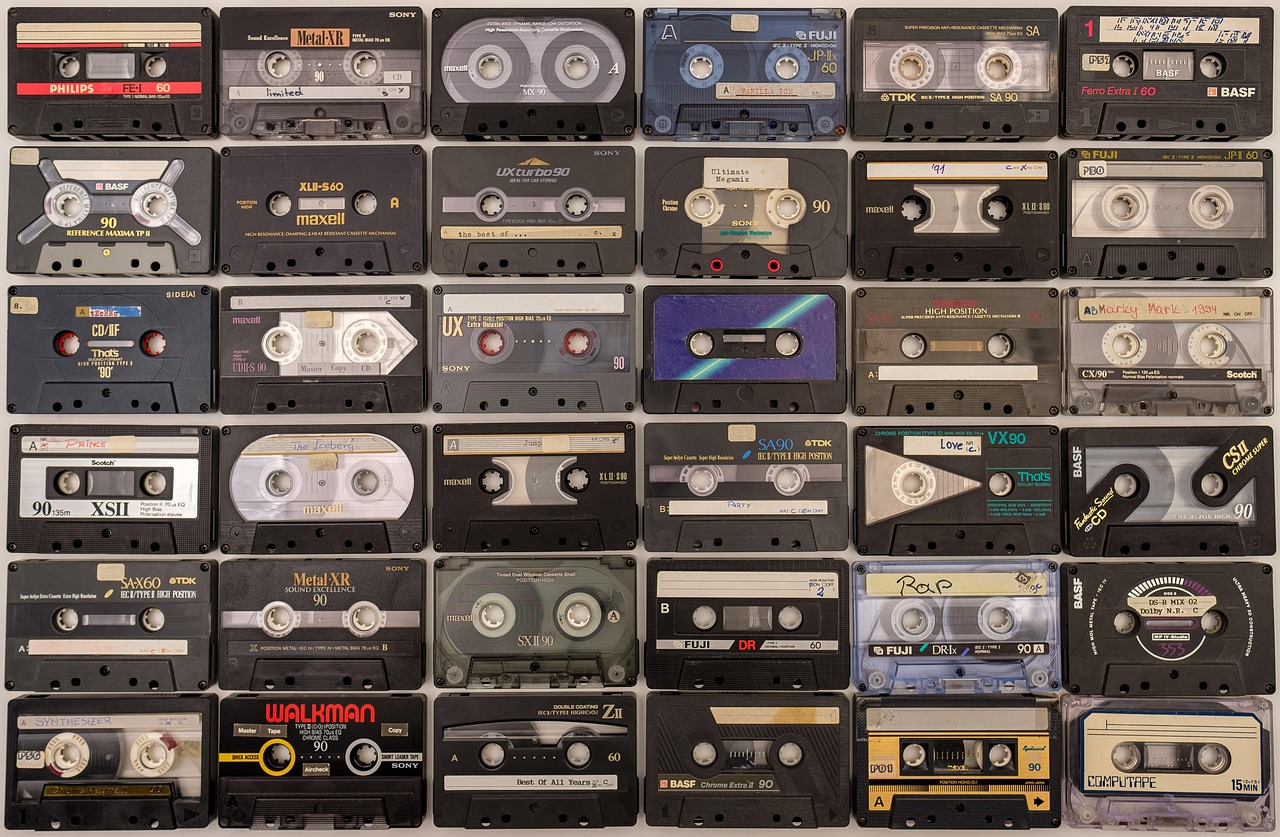
Consequently, objects associated with the aesthetic and technological landscape of an individual’s youth carry disproportionate symbolic weight. A vinyl record player or a cassette tape from the 1980s evokes more than just a musical preference; it encapsulates the socio-emotional climate of a defining life phase. Society frequently projects these generational markers onto material culture, turning everyday consumer goods into generational totems that reinforce group identity and shared heritage across decades.
Material Culture vs. Modern Minimalism: A Comparative Analysis
| Feature/Dimension | Contemporary Minimalist Goods | Vintage and Retro Objects |
|---|---|---|
| Tactile Quality | Smooth plastics, touchscreens, lightweight metals | Solid wood, heavy cast iron, analog dials, textiles |
| Repairability | Modular, proprietary parts, planned obsolescence | Mechanical fasteners, serviceable components, durable construction |
| Symbolic Value | Efficiency, connectivity, functional minimalism | Authenticity, craftsmanship, historical continuity |
| Emotional Resonance | Utility-driven, replaceable, utilitarian | Narrative-rich, sentimental, heirloom-oriented |
The Comfort of the Familiar in Times of Rapid Technological Change
Uncertainty and rapid technological disruption often drive a cultural retreat into familiar aesthetics. As digital interfaces replace physical buttons and virtual cloud storage supersedes physical media, people experience a subtle sense of displacement. Vintage objects offer a counterweight to this immaterial digital landscape. Owning a mechanical watch or reading a printed book provides a tactile grounding that modern virtual environments cannot replicate.

This psychological dynamic operates as a stabilizing force. When the contemporary environment feels increasingly abstract and transient, historical artifacts provide a sense of permanence and material stability. The physical weight and enduring durability of items from earlier decades suggest an era perceived as slower and more manageable, offering psychological refuge to individuals navigating the complexities of modern life.
The Aesthetic and Narrative Power of Patina
Wear and tear on an object often diminishes its utilitarian value in contemporary consumer markets, but it drastically enhances its emotional appeal in the realm of vintage collecting. The accumulation of scuffs, fading, and oxidation—collectively known as patina—transforms a mass-produced commodity into a unique narrative artifact.
Patina signifies history, usage, and endurance. A vintage leather briefcase bearing the marks of decades of daily use communicates a silent story of labor, travel, and human passage. This visible evidence of time passing satisfies a psychological desire for authenticity. In an era dominated by disposable consumer goods designed for short lifecycles, objects that visibly survive the test of time command deep respect and emotional investment from contemporary owners.

Frequently Asked Questions
Why do younger generations who did not live through a decade still feel nostalgic for its objects?
This phenomenon is known as “historically induced nostalgia” or collective nostalgia. Younger individuals often absorb aesthetic preferences, media, and design cues from specific past eras through family narratives, film, and digital platforms, forming an idealized emotional attachment to a period they never physically experienced.
How does planned obsolescence influence the emotional value of older objects?
Modern manufacturing often emphasizes short product lifecycles and disposability, which can reduce the emotional attachment consumers feel toward contemporary goods. In contrast, products manufactured in earlier decades were frequently engineered for longevity and repairability, encouraging long-term ownership and deeper sentimental bonds.
Can emotional attachment to objects become psychologically unhealthy?
While moderate sentimental attachment to vintage items provides psychological comfort and social bonding, extreme hoarding or an inability to detach from physical possessions due to anxiety can indicate underlying psychological challenges that require professional intervention.
Conclusion
The profound emotional connections people form with objects from earlier decades reveal fundamental truths about human psychology, memory, and the need for continuity. Far from being superficial materialism, this attachment represents a sophisticated cognitive mechanism for preserving personal identity, finding comfort amidst rapid technological change, and honoring craftsmanship that withstands the test of time. As material culture continues to evolve, the enduring appeal of vintage artifacts underscores a universal human desire to anchor intangible memories into tangible, lasting forms. Recognizing these patterns provides valuable insight into consumer behavior, psychological well-being, and the timeless importance of preserving history through everyday objects.

