

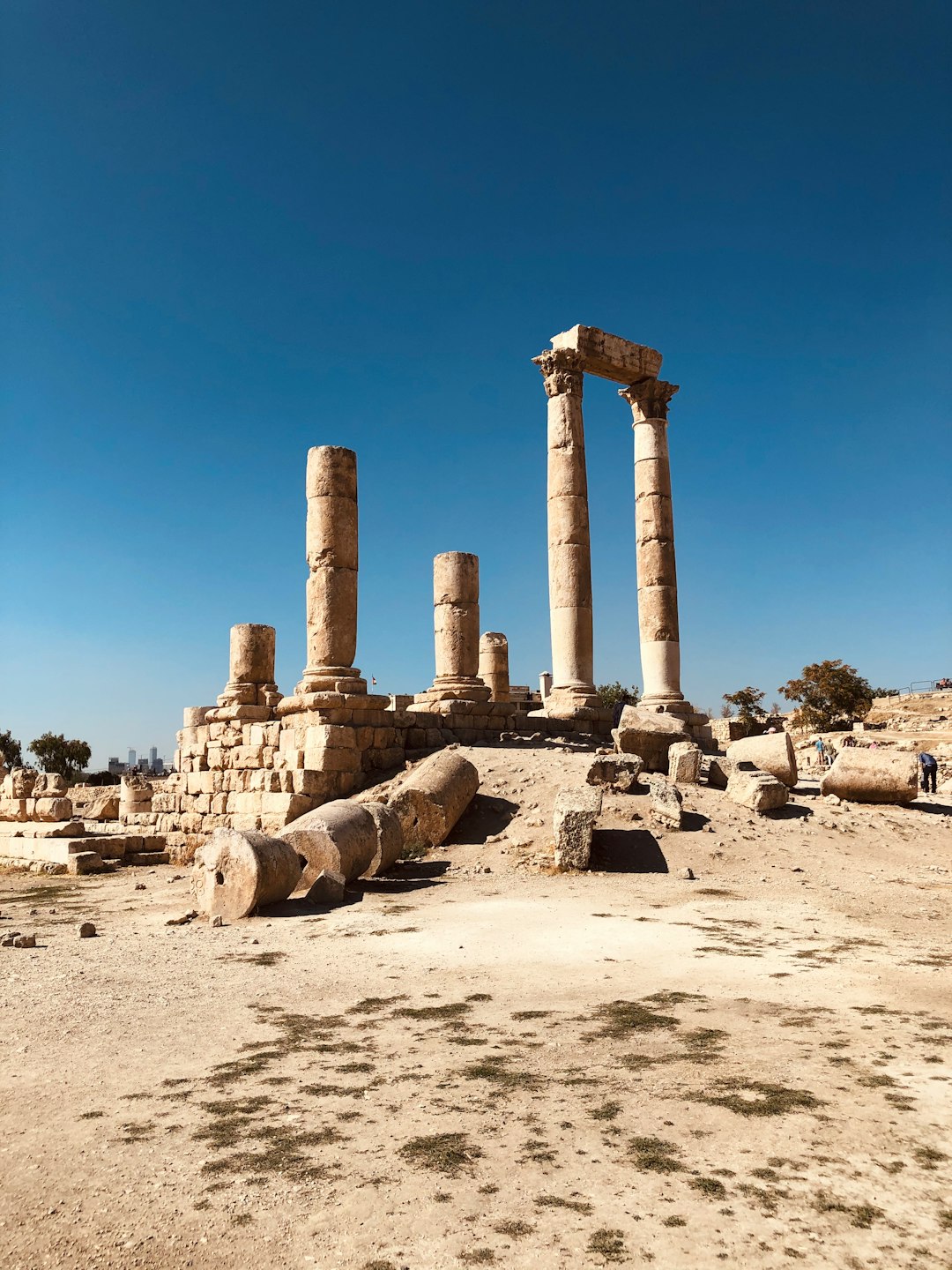
The rise, flourishing, and inevitable dissolution of human civilizations are etched indelibly into the monumental stone structures left in their wake. While iconic global landmarks such as the Roman Colosseum, the Pyramids of Giza, and Machu Picchu draw millions of international sightseers each year, our planet is dotted with equally magnificent ancient cities and sanctuaries that have slipped from popular consciousness. Shrouded by dense jungle canopies, submerged beneath blowing desert sands, or carved into volcanic basalt, these forgotten citadels offer an unvarnished window into the fragility of empire. In this comprehensive archaeological survey, we explore 10 astonishing ancient ruins that time left behind, examining their technological genius, cultural complexity, and the sudden ecological, military, and economic catastrophes that precipitated their abandonment.
Table of Contents
- 1. Ani: The City of 1,001 Churches (Turkey/Armenia)
- 2. Hampi: The Granite Splendor of Vijayanagara (India)
- 3. Derinkuyu: The Subterranean Labyrinth of Cappadocia (Turkey)
- 4. Tikal: The Vanished Rainforest Empire (Guatemala)
- 5. Great Zimbabwe: The Monolithic Stone Enclosure (Zimbabwe)
- 6. Persepolis: The Ceremonial Heart of the Persian Empire (Iran)
- 7. Leptis Magna: Rome’s Preserved African Jewel (Libya)
- 8. Sigiriya: The Ancient Fortress in the Clouds (Sri Lanka)
- 9. Baalbek: The Colossal Megaliths of Phoenicia (Lebanon)
- 10. Mesa Verde: The Puebloan Cliff Citadels (USA)
- 11. Comparative Analysis of the 10 Ancient Ruins
- 12. Frequently Asked Questions
- 13. Lessons in Civilization and Preservation
1. Ani: The City of 1,001 Churches (Turkey/Armenia)
Perched high atop a desolate plateau overlooking the Akhurian River gorge on the modern border between Turkey and Armenia, Ani was once the thriving capital of the medieval Bagratid Armenian Kingdom. During its 10th-century golden age, Ani stood as a premier trading terminus along northern Silk Road branches, boasting over 100,000 inhabitants. Its architects pioneered pointed arches, clustered piers, and ribbed vaults that anticipated Western Gothic architecture by over a century. A succession of devastating sackings by Byzantine, Seljuk, and Mongol forces, followed by a cataclysmic 1319 earthquake and shifting trade routes, transformed this metropolis into a haunting ghost city of freestanding red volcanic tuffa cathedrals.
2. Hampi: The Granite Splendor of Vijayanagara (India)
Situated within the rugged boulder-strewn terrain of Karnataka along the banks of the Tungabhadra River, Hampi was the imperial seat of the Vijayanagara Empire from 1336 to 1565. At its zenith, Hampi was described by visiting Portuguese and Persian chroniclers as one of the largest and most prosperous metropolises on earth, sheltering over 500,000 citizens. Its stone carvers converted hard granite boulders into monumental temples, such as the Virupaksha and Vittala complexes with their iconic musical pillars and carved stone chariot. Sacked and systematically razed over six months following the Battle of Talikota in 1565, Hampi remains an expansive open-air archaeological park covering 16 square miles.
3. Derinkuyu: The Subterranean Labyrinth of Cappadocia (Turkey)
While most civilizations built upward toward the skies, early Anatolian peoples excavated downward into the soft volcanic tuff of Cappadocia. Derinkuyu is the deepest of roughly 200 interconnected subterranean cities, plunging nearly 280 feet across 18 vertical levels. Capable of sheltering 20,000 citizens along with their livestock, grain reserves, and wine presses during Arab-Byzantine sieges, the complex features 15,000 ventilation shafts, subterranean chapel sanctuaries, and multi-ton circular stone rolling doors that could only be sealed from the inside.
4. Tikal: The Vanished Rainforest Empire (Guatemala)
Rising like stone mountains through the misty jungle canopy of northern Guatemala’s Petén Basin, Tikal was the preeminent superpower of the Classic Maya civilization from 200 to 900 AD. Dominating Mesoamerican trade networks, Tikal constructed towering limestone step pyramids, including Temple IV which rises over 230 feet above the forest floor. Sophisticated reservoir engineering allowed its population of 100,000 to thrive through dry seasons until severe 9th-century megadroughts and agricultural collapse forced its inhabitants to abandon the city to the encroaching jungle.
5. Great Zimbabwe: The Monolithic Stone Enclosure (Zimbabwe)
Constructed between the 11th and 15th centuries by the ancestral Shona people, Great Zimbabwe served as the imperial hub of a vast southern African kingdom that commanded the gold and ivory trade linking the interior to Indian Ocean ports like Kilwa. The site’s defining feature is the Great Enclosure-a colossal curved dry-stone wall rising 36 feet high and stretching over 800 feet in circumference, assembled entirely without mortar. When European colonizers first encountered the site in the late 19th century, racist biases led them to falsely attribute its construction to Phoenicians or King Solomon, but modern archaeological research has conclusively proven its indigenous African mastery.
6. Persepolis: The Ceremonial Heart of the Persian Empire (Iran)
Founded by Darius the Great around 518 BC at the foot of Mount Rahmat, Persepolis (Parsa) was the ritual capital of the Achaemenid Empire. Built on a monumental 125,000-square-meter terrace, the complex featured the Apadana Palace, supported by 72 colossal fluted limestone columns and decorated with pristine bas-relief friezes depicting tribute-bearers from 23 subject nations. In 330 BC, Alexander the Great captured Persepolis and, in an act of retaliatory vengeance for the burning of Athens, ordered the entire cedar-roofed palace burned to the ground.
7. Leptis Magna: Rome’s Preserved African Jewel (Libya)
Located on the Mediterranean coast of modern Libya, Leptis Magna expanded from a modest Phoenician trading post into one of the Roman Empire’s most lavish cities under Emperor Septimius Severus, who was born there. Endowed with a magnificent four-way triumphal arch, a vast Severan forum, marble public baths, and an amphitheater overlooking the sea, the city went into terminal decline after Vandals destroyed its walls in 523 AD. Swallowed by desert dunes for centuries, the sands protected its classical Roman architecture in near-pristine condition.
8. Sigiriya: The Ancient Fortress in the Clouds (Sri Lanka)
Emerging abruptly from the central plains of Sri Lanka, Sigiriya is a sheer granite monolith soaring 660 feet above the surrounding jungle. In the 5th century AD, King Kashyapa constructed a royal pleasure palace atop this impregnable rock, featuring advanced hydraulic water gardens, mirror-polished plaster walls, and vivid Buddhist frescoes. Visitors ascended through the open jaws of a colossal brick lion carved directly into the rock face before the palace was abandoned following the king’s military defeat.
9. Baalbek: The Colossal Megaliths of Phoenicia (Lebanon)
Nestled in Lebanon’s fertile Beqaa Valley, Baalbek (Heliopolis) features the most massive stone masonry ever manipulated in human antiquity. Dedicated to Jupiter, Bacchus, and Venus, its Roman sanctuary rests atop a Phoenician podium containing the “Trilithon”-three immense limestone blocks each weighing over 800 tons, quarried and fitted together with microscopic precision that continues to astonish modern mechanical engineers.
10. Mesa Verde: The Puebloan Cliff Citadels (USA)
Between 1190 and 1260 AD, Ancestral Puebloan communities in southwestern Colorado moved their dwellings from mesa tops into massive sandstone alcoves beneath canyon overhangs. The largest structure, Cliff Palace, contains 150 interconnected rooms and 23 circular ceremonial kivas constructed from hand-shaped sandstone blocks and mud mortar. By 1300 AD, a prolonged 24-year drought accompanied by social warfare forced the inhabitants to migrate south toward the Rio Grande.
11. Comparative Analysis of the 10 Ancient Ruins
The table below summarizes the key architectural, geographic, and historical dimensions of these ten monumental forgotten sites.
| Site & Modern Country | Peak Era | Civilization | Signature Architectural Feat | Primary Abandonment Catalyst |
|---|---|---|---|---|
| Ani (Turkey/Armenia) | 10th – 11th C. | Medieval Armenian | Early Gothic-style red tuffa cathedrals | Mongol sackings & 1319 earthquake |
| Hampi (India) | 14th – 16th C. | Vijayanagara | Monolithic carved granite temples & stone chariot | Military defeat at Talikota (1565) |
| Derinkuyu (Turkey) | 7th – 10th C. | Byzantine Anatolian | 18-level subterranean rock-cut city | Cessation of Arab-Byzantine border wars |
| Tikal (Guatemala) | 6th – 9th C. | Classic Maya | 230-ft limestone step pyramids & reservoirs | Severe regional drought & ecological stress |
| Great Zimbabwe (Zimbabwe) | 11th – 15th C. | Kingdom of Zimbabwe | Mortarless curved granite dry-stone enclosure | Gold trade exhaustion & water shortages |
| Persepolis (Iran) | 6th – 4th C. BC | Achaemenid Persian | Monumental Apadana terrace & 72 stone columns | Burned by Alexander the Great (330 BC) |
| Leptis Magna (Libya) | 2nd – 3rd C. AD | Roman Empire | Marble coastal forum, amphitheater & baths | Vandal conquest & sand dune inundation |
| Sigiriya (Sri Lanka) | 5th C. AD | Kassapa Dynasty | 660-ft summit palace & gravity-fed fountains | Royal military defeat & monastic conversion |
| Baalbek (Lebanon) | 1st – 3rd C. AD | Greco-Roman | 800-ton Trilithon megaliths & Temple of Bacchus | Christianization & 18th-century earthquakes |
| Mesa Verde (USA) | 12th – 13th C. | Ancestral Puebloan | Multi-story sandstone cliff alcove architecture | Prolonged drought, resource depletion & warfare |
12. Frequently Asked Questions
Why are dry-stone walls at Great Zimbabwe able to stand without mortar?
Granite naturally flakes into flat, brick-like sheets through temperature weathering. Shona masons carefully dressed these stones and laid them with slight inward batter angles, using gravity and friction to ensure seismic stability without mortar.
How did ancient builders ventilate Derinkuyu 280 feet underground?
Engineers carved a primary central 180-foot vertical shaft that dropped down to the water table, creating natural convection currents that pulled fresh surface air downward and circulated it through thousands of horizontal lateral channels.
Why did Alexander the Great burn Persepolis?
Ancient historians like Arrian and Plutarch suggest Alexander burned Persepolis during a drunken feast as a theatrical act of symbolic vengeance for the Persian burning of Athens and the Acropolis during the Greco-Persian wars 150 years prior.
What is the difference between an ancient ruin and an archaeological monument?
An ancient ruin is a weathered structure in a state of natural partial decay. An archaeological monument is a preserved site undergoing deliberate scientific conservation, documentation, and structural stabilization to protect its educational integrity.
How were the massive 800-ton megaliths moved at Baalbek?
Roman engineers used complex systems of multi-wheel timber capstans, pulleys, and wooden roller tracks, drawing on specialized hydraulic leverage to transport the massive stone blocks from nearby limestone quarries.
Are all 10 of these ancient ruins accessible to international tourists?
Most of these sites-including Hampi, Mesa Verde, Tikal, Ani, and Sigiriya-are UNESCO World Heritage properties welcoming visitors. However, sites in Libya (Leptis Magna) and Lebanon (Baalbek) require careful travel advisory monitoring due to regional political instability.
What is the most common factor that causes ancient cities to collapse?
While warfare and invasion often deliver the final death blow, environmental degradation-such as prolonged drought, deforestation, soil exhaustion, and the disruption of vital trade lifelines-is the primary underlying vulnerability that renders ancient cities unsustainable.
13. Lessons in Civilization and Preservation
Standing amidst the quiet ruins of Ani’s red churches or looking out over Hampi’s silent granite boulders, one confronts a profound truth: human civilization is not permanent by default. It requires ecological balance, social cohesion, and relentless stewardship. By studying and protecting these forgotten splendors, we honor the extraordinary ingenuity of our ancestors and gain vital wisdom for navigating our own civilization’s future.


1 Comment
Pingback: Echoes of the Silk Road: Exploring the Lost Cities of Central Asia – Anemoia