

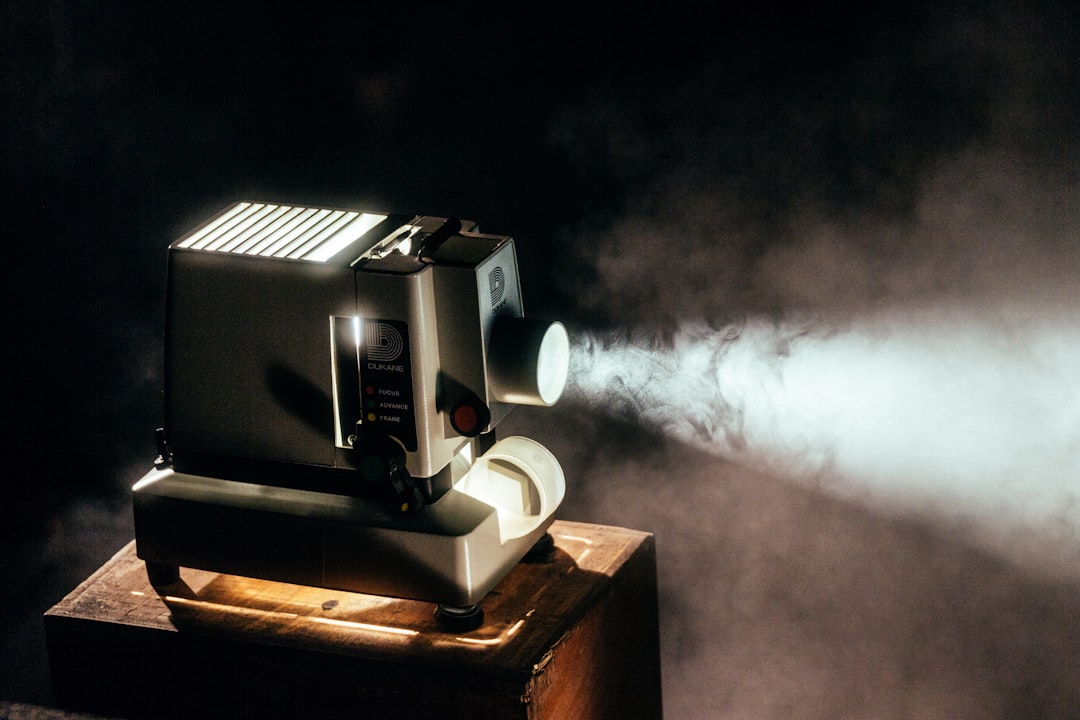
In the tense twilight of the 1940s, as the catastrophic bloodletting of the Second World War transitioned into the paranoid chill of the early Cold War, an unmistakable darkness engulfed American cinema. Departing from the glossy escapism of 1930s musical extravaganzas and screwball comedies, Hollywood filmmakers began delivering claustrophobic, shadow-drenched crime melodramas steeped in disillusionment, existential dread, and moral ambiguity. French film critics Nino Frank and Jean-Pierre Chartier, observing these bleak American productions arriving in post-liberation Parisian cinemas, christened the cycle Film Noir (Black Film). Spanning from John Huston’s The Maltese Falcon (1941) to Orson Welles’ Touch of Evil (1958), the Golden Age of Film Noir revolutionized cinematic visual grammar, establishing a vocabulary of psychological suspense, razor-sharp fatalism, and high-contrast expressionism that continues to define the medium.
Table of Contents
- 1. German Expressionism and the European Émigrés
- 2. Chiaroscuro Lighting and Low-Key Cinematography
- 3. Dutch Angles and Architectural Entrapment
- 4. Masterpiece Comparison: Defining Golden Age Noir Films
- 5. Hard-Boiled Literature and Subverting the Hays Code
- 6. The Fatalistic Archetypes: Detective, Veteran, and Femme Fatale
- 7. Frequently Asked Questions
- 8. The Legacy from Neo-Noir to Cyberpunk
1. German Expressionism and the European Émigrés
The distinctive visual darkness of film noir was directly imported by European filmmakers fleeing the rise of totalitarian fascism in Germany and Austria during the 1930s. Master directors such as Fritz Lang (Scarlet Street, The Big Heat), Billy Wilder (Double Indemnity, Sunset Boulevard), Robert Siodmak (The Killers), and Otto Preminger (Laura) had trained within the legendary UFA studios of Weimar Germany.
These artists had pioneered German Expressionism in films like The Cabinet of Dr. Caligari (1920) and M (1931), where psychological torment was externalized through distorted geometry, jagged shadows, and stylized artificiality. When arriving on Hollywood studio soundstages, these directors applied expressionist techniques to gritty American crime stories. Rather than depicting the United States as an idyllic suburban paradise, they visualized it as an unforgiving, labyrinthine urban jungle where danger lurked behind every lamppost.
2. Chiaroscuro Lighting and Low-Key Cinematography
Classical studio filmmaking in the 1930s adhered to strict “three-point lighting”-a combination of key light, fill light, and backlight designed to bathe stars in even, glamorous illumination and banish unflattering shadows. Noir cinematographers like Nicholas Musuraca and John Alton radically subverted this practice by utilizing “low-key lighting.”
Borrowing the Renaissance painting concept of chiaroscuro (the dramatic contrast between light and dark), cinematographers slashed fill lighting to near zero. Faces were bisected by stark diagonal shadows cast through Venetian window blinds; silhouettes were carved against wet asphalt using solitary rim lights; smoke curling from unfiltered cigarettes drifted through solitary overhead spotlights. This visual aesthetic was not merely stylistic bravura-it served as an external manifestation of the characters’ moral corruption, fragmented psychology, and inevitable doom.
3. Dutch Angles and Architectural Entrapment
Beyond radical lighting, noir revolutionized camera placement. Directors routinely deployed canted camera setups, known as Dutch angles, where the horizon line was tilted off-kilter. This deliberate destabilization communicated to the audience that the protagonist’s world was tilting out of control, eroding the viewer’s psychological comfort.
Furthermore, noir compositions weaponized urban architecture to convey entrapment. Characters were deliberately framed behind banisters, iron stair railings, window frames, or in reflections across broken mirrors. Ceilings were lowered onto sets to create an oppressive sense of claustrophobia. Wide-angle lenses distorted spatial depth, making office hallways feel impossibly long and city streets feel like inescapable concrete canyons.
4. Masterpiece Comparison: Defining Golden Age Noir Films
Examining the pinnacle achievements of the genre reveals how diverse directors applied noir techniques across varying dramatic premises.
| Film Title & Year | Director | Key Cast | Cinematography Technique | Core Thematic Focus |
|---|---|---|---|---|
| The Maltese Falcon (1941) | John Huston | Humphrey Bogart, Mary Astor | Low-angle close-ups, brisk pacing | Greed, honor among thieves, cynicism |
| Double Indemnity (1944) | Billy Wilder | Fred MacMurray, Barbara Stanwyck | Venetian blind shadows, dust particles | Adultery, premeditated murder, fate |
| Out of the Past (1947) | Jacques Tourneur | Robert Mitchum, Jane Greer | Deep-focus chiaroscuro by Musuraca | Inescapable past, ultimate fatalism |
| The Third Man (1949) | Carol Reed | Joseph Cotten, Orson Welles | Extreme Dutch angles, sewer chase | Post-war corruption, moral betrayal |
| Sunset Boulevard (1950) | Billy Wilder | William Holden, Gloria Swanson | Under-water POV corpse, decaying mansion | Hollywood vanity, delusion, opportunism |
| Touch of Evil (1958) | Orson Welles | Charlton Heston, Janet Leigh, Welles | Legendary 3-minute continuous crane shot | Institutional corruption, border tension |
5. Hard-Boiled Literature and Subverting the Hays Code
Film noir drew its narrative grit directly from American hard-boiled pulp fiction published in magazines like Black Mask. Authors like Dashiell Hammett, Raymond Chandler, and James M. Cain abandoned the cozy English manor parlor mysteries of Agatha Christie in favor of street-level corruption, organized crime, and moral decay.
However, 1940s Hollywood was strictly governed by the Motion Picture Production Code (the Hays Code), which forbade explicit depictions of sexual promiscuity, graphic violence, or unpunished criminality. Rather than neutering their stories, filmmakers used code restrictions to invent poetic, layered storytelling. Adultery and sexual tension were expressed through smoldering double-entendres; murders occurred off-screen with gruesome violence implied by the sickening sound of an impact or the terrified reaction on a witness’s face. By forcing audiences to imagine what could not be shown, noir directors magnified the emotional terror.
6. The Fatalistic Archetypes: Detective, Veteran, and Femme Fatale
Film noir populated its nocturnal universe with iconic archetypes that captured the anxieties of post-war American society:
- The Traumatized Veteran / Hard-Boiled Detective: Protagonists were often psychologically wounded World War II veterans or hard-drinking private eyes operating on the margins of the law. Disillusioned with civilian life, they possessed a private moral code in a society that had lost its ethical compass.
- The Femme Fatale: During the war, millions of American women had entered the industrial workforce (“Rosie the Riveter”), discovering financial and social autonomy. The Femme Fatale reflected male anxiety regarding this shifting gender power balance. She was fiercely intelligent, sexually magnetic, and unapologetically ambitious, refusing domestic subjugation even if her schemes invited mutual destruction.
- The Unsympathetic Victim: Characters who fell victim to crime were rarely innocent innocents; they were frequently conniving husbands, blackmailed bankers, or small-time grifters whose own greed sealed their doom.
7. Frequently Asked Questions
What is the difference between classic Film Noir and Neo-Noir?
Classic Film Noir refers strictly to the American cinematic cycle produced between 1940 and 1959 in high-contrast black-and-white. Neo-Noir refers to modern films (such as Chinatown, L.A. Confidential, or Drive) that adopt noir themes, lighting, and cynicism in color and contemporary settings.
Why were rain-soaked streets so prominent in 1940s noir?
Beyond atmospheric mood, wet streets served a critical technical function. Wetting down black asphalt with water hoses created mirror-like surfaces that reflected studio headlights, neon signs, and streetlamps, providing extra illumination and dramatic texture on low-budget night shoots.
Is film noir a genre or a visual style?
Most film scholars and historians categorize film noir as a “movement” or “style” rather than a strict genre. While commonly associated with crime and detective stories, noir visual and psychological conventions were applied to westerns (Pursued), melodramas (Mildred Pierce), and psychological horror (Cat People).
Why is John Huston’s “The Maltese Falcon” widely considered the first major noir?
While earlier films featured low-key lighting, The Maltese Falcon (1941) fully crystallized the quintessential noir tone: Humphrey Bogart’s cynical Sam Spade, sharp fatalistic dialogue, mercenary villains, and a resolution that proved greed leads only to spiritual emptiness.
What brought an end to the classic Golden Age of Noir in the late 1950s?
The demise of classic noir was triggered by the widespread rise of color television, the commercial dominance of widescreen color cinema formats (CinemaScope), suburbanization, and changing consumer demographics favoring upbeat youth-oriented films.
What role did voiceover narration play in noir films?
Voiceover narration created immediate psychological intimacy, allowing viewers to inhabit the doomed protagonist’s internal thoughts. It also reinforced fatalism, as many noir films were narrated by characters who already knew their plans had ended in catastrophe or death.
What is Tech-Noir?
Tech-Noir (or Cyberpunk Noir) marries classic noir lighting and cynical investigator tropes with dystopian science fiction technologies, best exemplified by Ridley Scott’s Blade Runner (1982) and The Matrix (1999).
8. The Legacy from Neo-Noir to Cyberpunk
The Golden Age of Film Noir proved that cinema does not require fairy-tale endings or brightly lit stages to capture the human heart. By having the courage to explore shadow, psychological vulnerability, and the tragic consequences of greed, 1940s filmmakers forged a timeless aesthetic language. From the neon-lit corridors of cyberpunk thrillers to modern prestige television crime dramas, the dark, beautiful poetry of film noir continues to remind us that the most compelling human truths are found not in broad daylight, but deep within the shadows.

