


The enduring charm of vintage cinema often prompts a curious question from contemporary viewers. Why do films produced decades ago, shot in black-and-white or utilizing primitive special effects, still manage to provoke tears, laughter, and profound contemplation today? Moving image artifacts from the early and mid-20th century frequently outlast modern blockbusters in terms of raw psychological impact. This phenomenon is not merely a matter of nostalgic preference or generational bias; rather, it is rooted in specific narrative structures, psychological mechanisms, and shifting cultural dynamics that govern how human beings process art.
When observing contemporary media landscapes saturated with high-definition CGI and rapid-fire editing, the deliberate pacing of older films offers a distinct cognitive shift. This comprehensive examination explores the underlying elements that allow historical cinematic works to transcend their original release eras, maintaining deep emotional resonance across generations.
The Psychology of Pacing and Viewer Imagination
Modern entertainment often bombards audiences with sensory input, leaving little room for personal reflection. In contrast, older films frequently utilized a deliberate, measured rhythm that allowed scenes to breathe. This stylistic choice is grounded in psychological principles regarding cognitive load and narrative immersion. When a film moves slowly, viewers are subconsciously enlisted as active participants in the storytelling process rather than passive consumers of visual data.

Consider how classic suspense or romantic dramas construct tension. Instead of relying on rapid cuts, directors historically depended on lingering close-ups, subtle ambient sound design, and protracted silences. This approach grants audiences the psychological space to project their own emotional histories onto the characters on screen. The brain fills in the gaps, creating a personalized investment in the narrative outcome. Consequently, the emotional payoff feels earned and deeply internalized, cementing the viewing experience in long-term memory.
Universal Human Themes Versus Fleeting Trends
Cultural relevance shifts rapidly, yet fundamental human anxieties, aspirations, and relational conflicts remain remarkably stable across centuries. Classic cinema frequently prioritized character-driven explorations of isolation, ambition, grief, and moral ambiguity over temporary technological spectacles. By stripping away the distractions of contemporary consumerism and hyper-connected technology, these narratives expose the raw core of human vulnerability.
For instance, post-World War II cinema frequently grappled with themes of dislocation and societal reconstruction. While the specific historical backdrop belongs to a bygone era, the underlying psychological distress of rebuilding a shattered life speaks directly to modern audiences navigating their own periods of global and personal uncertainty. The durability of these emotional touchstones demonstrates that human emotional architecture changes far slower than technological capabilities.
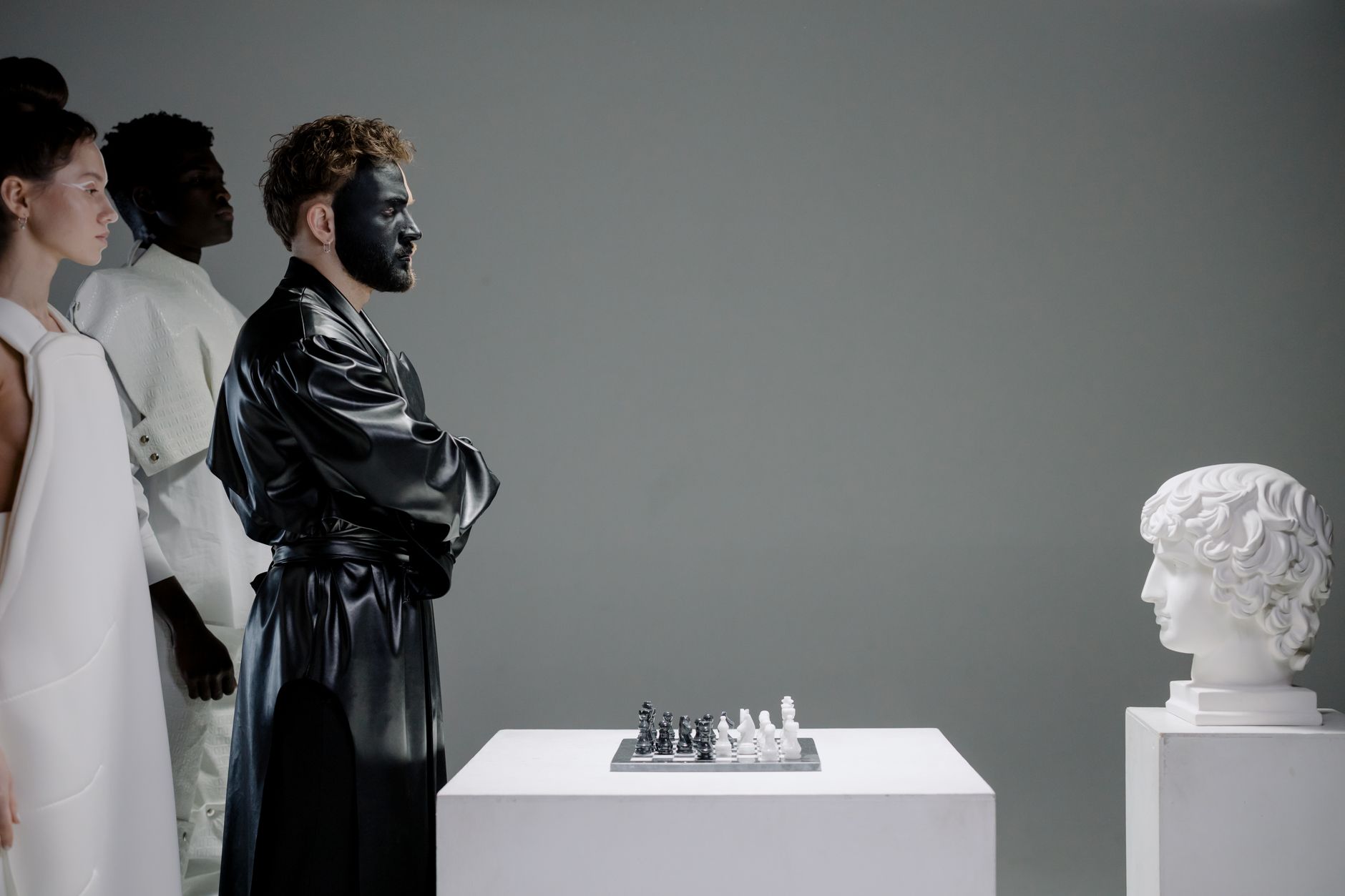
Aesthetic Constraints as Catalysts for Artistic Innovation
Financial limitations and technological boundaries in early filmmaking often forced creators to rely on ingenious psychological framing rather than visual excess. The necessity of using shadow, framing, and dialogue to convey subtext resulted in sophisticated storytelling techniques.
Visual Storytelling Through Monochrome and Shadow
The deliberate use of black-and-white cinematography eliminated the distraction of vibrant color palettes, directing the viewer’s focus entirely toward facial expressions, composition, and tonal contrast. This aesthetic limitation heightened emotional intensity. Shadows were not merely atmospheric; they served as physical manifestations of moral conflict and internal dread. Modern audiences, accustomed to hyper-realistic digital color grading, often find the stark contrast of classic cinematography refreshing, as it encourages a heightened level of interpretive engagement.
The Power of Subtextual Dialogue
Before the advent of explicit exposition heavy scripts, screenwriters mastered the art of subtext. Conversations in classic cinema often carried layered meanings where characters said one thing while their body language communicated the opposite. This literary depth requires contemporary viewers to read between the lines, activating analytical and empathetic faculties that are rarely engaged by modern, hyper-literal cinematic scripts.

Comparative Overview of Cinematic Eras
| Feature / Element | Classic Cinema (Pre-1970s) | Contemporary Cinema |
|---|---|---|
| Pacing | Measured, deliberate, allowing space for silence and reflection | Fast-paced, high-frequency cuts, continuous sensory stimulation |
| Narrative Focus | Character-driven internal conflicts and universal moral dilemmas | Plot-driven spectacles, high-concept premises, franchise continuity |
| Visual Style | High-contrast lighting, practical effects, evocative framing | Advanced CGI, vibrant digital color grading, photorealism |
| Audience Role | Active participant filling narrative gaps through imagination | Direct consumer of explicit visual and auditory information |
Nostalgia, Cultural Memory, and Transgenerational Appeal
The emotional longevity of older films is also sustained by cultural transmission. Generations pass down cinematic touchstones, embedding them into the cultural fabric. When a modern viewer watches a classic film, they are often participating in a collective ritual shared by their parents and grandparents. This transgenerational continuity creates a sense of belonging and historical grounding that counters the ephemeral nature of current digital media trends.
Furthermore, retrospective viewing allows audiences to appreciate historical art forms through a lens of historical empathy. Recognizing the societal context in which a film was made adds layers of appreciation, transforming a simple viewing session into an active engagement with the history of human expression.
Frequently Asked Questions
Why do black-and-white films still evoke strong emotions today?
Black-and-white cinematography strips away visual distractions, forcing audiences to focus on raw facial expressions, lighting contrasts, and psychological subtext. This heightened focus often intensifies the emotional connection between the viewer and the characters.
How does the pacing of old movies affect modern viewers?
Older films typically feature slower pacing, which grants viewers more cognitive space to reflect on the narrative, project personal experiences onto the characters, and process emotional developments organically.
Are classic films relevant to younger generations?
Yes, because classic films frequently explore timeless human themes such as grief, ambition, love, and isolation. These fundamental emotional experiences remain relatable regardless of technological advancements or shifts in cultural norms.
Why do some modern movies fail to achieve the same emotional longevity?
Many contemporary films prioritize rapid visual spectacle, franchise setup, and immediate gratification over deep character development and thematic subtlety, which can result in a shorter emotional shelf life.
Conclusion
The enduring emotional resonance of older cinematic works highlights a fundamental truth about human art: technical sophistication cannot replace genuine psychological depth. By relying on universal human themes, innovative aesthetic constraints, and deliberate pacing, classic films bypassed the limitations of their eras to capture timeless truths. Modern audiences continue to find solace, challenge, and profound connection in these works because they speak directly to the permanent complexities of the human condition. Engaging with vintage cinema ultimately offers a mirror to the soul, proving that authentic emotional storytelling defies the boundaries of time.


1 Comment
Pingback: The Golden Age of Noir: How 1940s Hollywood Defined Cinematic Suspense – Anemoia