

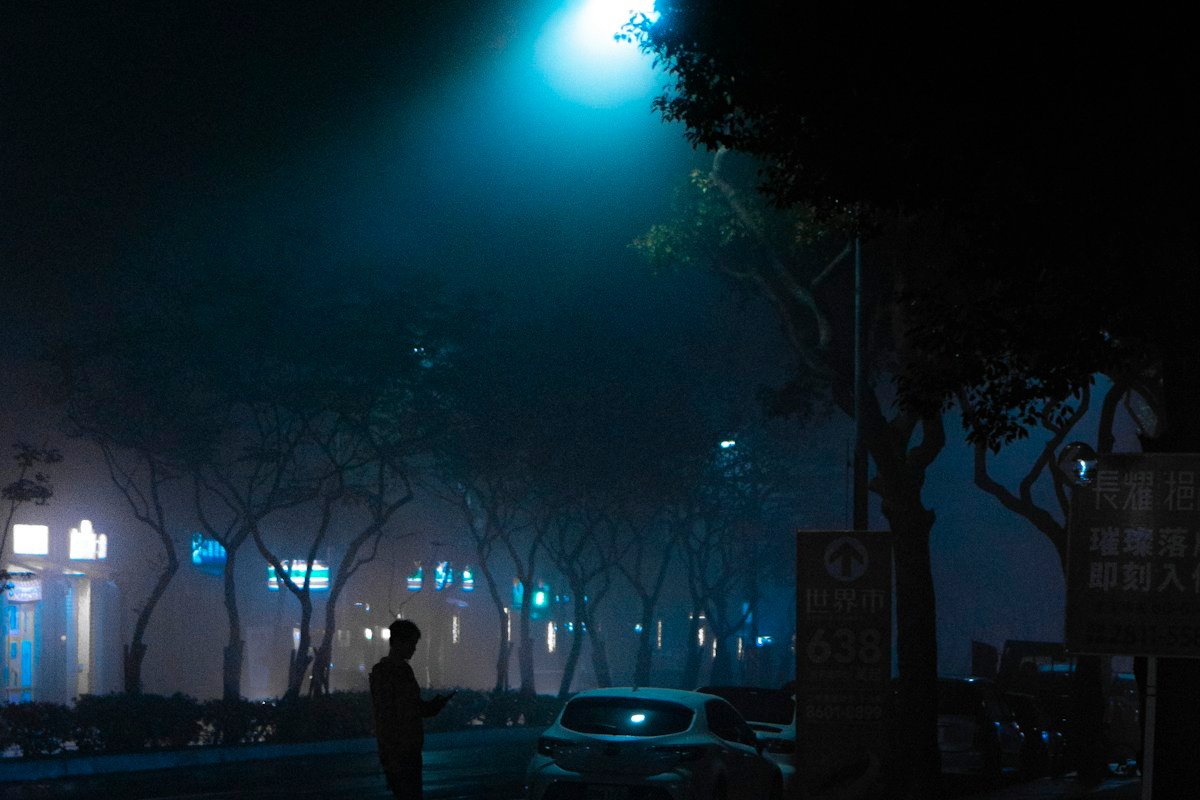
Film noir represents one of the most aesthetically cohesive and psychologically haunting chapters in cinematic history. Emerging from the shadow of the Second World War and flourishing through the late 1950s, this cycle of American crime cinema discarded Hollywood’s traditional glossy escapism in favor of moral ambiguity, existential fatalism, and visual expressionism. To encounter a classic noir film is to enter a stylized nocturnal universe where the city streets are perpetually rain-slicked, neon signs buzz with cold electrical desperation, and human figures are visually imprisoned behind dense lattices of shadow. This dark aesthetic continues to exert an irresistible anemoic pull upon contemporary audiences, evoking a bittersweet yearning for an era characterized by tailored cynicism, dangerous romance, and tragic dignity.
The visual grammar of film noir was forged through a unique historical convergence of European intellectual exile, technological advances in film stock, and post-war psychological trauma. When German and Austrian directors, cinematographers, and set designers fled Nazi persecution in the 1930s, they brought with them the dramatic chiaroscuro and psychological set design of Weimar Expressionism. Cinematographic archives preserved at the Museum of Modern Art illustrate how European emigres like Billy Wilder, Fritz Lang, Robert Siodmak, and John Alton revolutionized American studio lighting, transforming low-budget B-movies into masterpieces of visual poetry. Rather than lighting scenes evenly to maximize star glamour, noir cinematographers sculpted the screen with hard key lights, deep shadows, and wide-angle distortions that reflected the fractured psyche of post-war humanity.
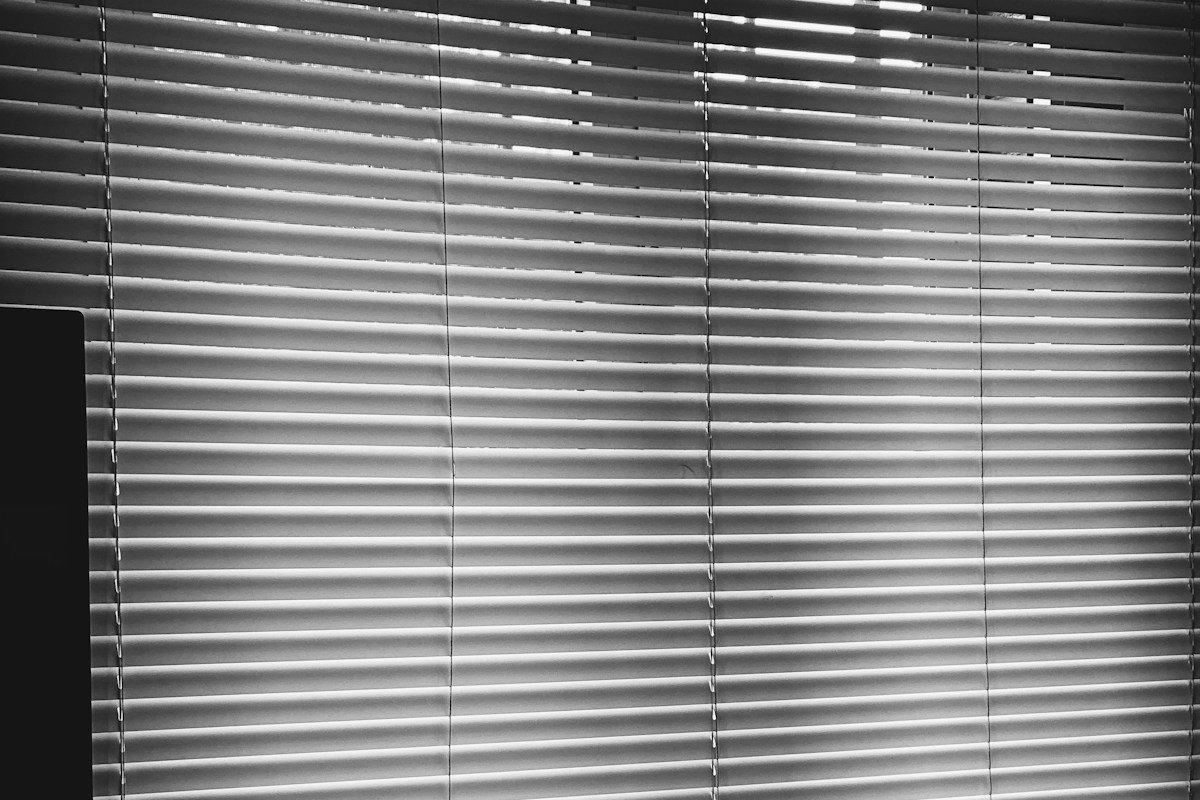
In the psychology of visual perception, high-contrast black-and-white cinematography engages specialized neural networks that decode edge orientation, spatial depth, and symbolic threat. The absence of color forces the human brain to rely on luminance contrast and textural geometry to construct meaning. The slatted shadows cast by venetian blinds across an office wall or the silhouette of a trench-coated detective under a solitary street lamp do not simply decorate the frame; they function as psychological bars, trapping the characters within inescapable moral dilemmas. In film noir, the physical environment becomes an active accomplice in human destruction, externalizing the internal corrosion of greed, obsession, and existential despair.
To understand why the visual syntax of film noir continues to haunt our collective imagination, one must examine its formal aesthetic components: low-key lighting ratios, deep-focus cinematography, Dutch angles, cynical voice-over narrations, and the archetype of the femme fatale. This comprehensive investigation explores the cinematographic mechanics, historical pressures, and psychosexual tensions that defined post-war noir, demonstrating why these black-and-white celluloid nightmares remain among the most enduring monuments of cinematic art.
Low-Key Lighting Mechanics: John Alton, Hard Shadows, and Low Fill
At the structural center of the film noir aesthetic is low-key lighting, a cinematographic technique defined by high contrast ratios between brightly illuminated highlights and deep, impenetrable shadows, with little to no intermediate fill light. In standard classical Hollywood lighting, cinematographers utilized a balanced three-point system: key light, fill light, and backlight, designed to illuminate the actors evenly, soften facial blemishes, and separate performers cleanly from painted studio backdrops. Film noir cinematographers radically dismantled this convention.
Master cinematographer John Alton, whose legendary 1949 treatise Painting with Light served as the definitive manual for noir visual composition, advocated for stripping away extraneous lights and using single, focused light sources placed at unusual angles. In Alton’s revolutionary setups, a single fifty-watt baby spotlight or an intense carbon-arc lamp carved a solitary slash of illumination across a dark room, leaving the surrounding space in total blackness. Actors moved through alternating zones of blinding glare and deep obscurity, their faces partially eclipsed by fedora brims, gun barrels, or cigarette smoke.
This high-contrast lighting technique was facilitated by the introduction of faster black-and-white film stocks in the early 1940s, such as Eastman Kodak Super-XX, which possessed sufficient light sensitivity to expose deep shadows under minimal lighting levels. Cinematographers could stop down their camera lenses to smaller apertures, which naturally increased depth of field while requiring intense, concentrated key illumination. The resulting image possessed a hard, biting sharpness where shadow edges were defined with razor-like precision.
Psychologically, low-key lighting forces the viewer to become an active investigator. Because vast portions of the screen are shrouded in darkness, the human visual cortex must lean forward, continuously scanning the shadows for hidden threats, concealed weapons, or clandestine movements. The darkness ceases to be empty space; it becomes a living, menacing presence, an acoustic and visual void where moral corruption, betrayal, and sudden violence lurk just beyond the edge of perception.
This lighting philosophy extended to the rendering of actor anatomy and costume. While classical studio glamour utilized rim lighting to create halos around female hair and soften facial lines, noir cinematographers cast sharp, unforgiving shadows beneath cheekbones and eye sockets. The human face became a landscape of psychological strain, bearing the physical marks of exhaustion, deceit, and sleepless guilt. The boundary between hero and villain dissolved into ambiguous grey tones, leaving the viewer to navigate an unstable world where appearances were perpetually deceptive.
Spatial Disorientation: Dutch Angles, Wide-Angle Lenses, and Ceiling Enclosures
Film noir cinematographers utilized camera optics and spatial geometry to induce a profound sense of psychological vertigo and spatial entrapment. In classical Hollywood cinema, camera placement maintained an objective, eye-level perspective that respected conventional architectural horizontal and vertical axes, establishing a comforting spatial orientation for the audience. Film noir systematically undermined this stability.
The strategic deployment of Dutch angles, also known as canted or oblique angles, tilted the camera off its horizontal axis, causing vertical walls, door frames, and skyscrapers to lean diagonally across the frame. Directors like Carol Reed in The Third Man (1949) used extreme canted angles to visualize the moral and political corruption of post-war Vienna. The tilted world signaled to the audience that ordinary social laws, moral compasses, and psychological stability had completely collapsed. The viewer experienced the physical sensation of slipping, of standing on a precarious floor where gravity itself had become unreliable.
Furthermore, noir directors favored extreme wide-angle lenses, particularly twenty-one-millimeter and twenty-five-millimeter focal lengths, which dramatically exaggerated spatial perspective. Objects close to the lens appeared unnaturally large, while background elements receded into distant infinity, creating deep spatial alienation between characters standing in the same room. When combined with low camera angles positioned near the floor, wide-angle lenses exaggerated the height of ceilings, creating oppressive, box-like enclosures that bore down upon the protagonists like architectural vices.
Prior to film noir, Hollywood studio sets rarely included ceilings; they were left open to accommodate overhead lighting grids and sound microphone booms. In noir films like Orson Welles’s Citizen Kane (1941) and Anthony Mann’s Raw Deal (1948), sets were constructed with low muslin cloth ceilings illuminated from below. This architectural innovation trapped the characters beneath physical roofs, denying them the symbolic escape of open sky and reinforcing the existential theme that there is no spiritual transcendence or upward escape from the claustrophobic labyrinth of human destiny.
The visual claustrophobia created by ceilinged rooms was intensified by the frequent placement of foreground obstacles between the camera and the actors. Characters were repeatedly framed through balustrades, staircase banisters, slatted room dividers, and half-open door frames. These compositional obstructions visually severed human bodies into fragmented geometric shapes, visually reinforcing the theme that human agency is fractured, impeded, and perpetually confined within oppressive social structures.
Post-War Trauma, Returning Veterans, and the Cynical Anti-Hero
The dark cynicism and moral fatalism of film noir cannot be understood as mere artistic stylization; they were the direct cultural manifestations of deep, collective psychological trauma following the catastrophic violence of World War II. Between 1941 and 1945, millions of American men were dispatched to European and Pacific battlefields, where they witnessed unimaginable carnage, industrial slaughter, and the profound fragility of human civilization.
When these veterans returned to civilian life in 1945 and 1946, they found themselves profoundly estranged from the peacetime society they had fought to defend. Government propaganda and popular media promised a return to sunny suburban domesticity, consumer prosperity, and cheerful family life. However, thousands of returning soldiers suffered from what was then termed combat fatigue or war neurosis, recognized today as post-traumatic stress disorder. They struggled with chronic nightmares, emotional numbness, paranoia, and deep disillusionment with corporate civilian institutions.
Film noir provided the only cinematic arena where this post-war alienation could be honestly expressed. The classic noir protagonist was not a pristine, moral hero like the cowboy or the wartime soldier, but an exhausted, cynical anti-hero: an impoverished private detective, an unemployed veteran, or an embittered insurance investigator. Characters like Philip Marlowe in The Big Sleep or Walter Neff in Double Indemnity moved through a corrupt society with weary detachment, harboring zero illusions about human benevolence or institutional justice.
Historical literary archives curated by the British Library document the rise of hard-boiled detective fiction by Raymond Chandler, Dashiell Hammett, and James M. Cain, which directly fueled the noir movement. Chandler’s prose articulated the code of the solitary knight walking the mean streets of a fallen world, protecting what little personal honor he had left while expecting nothing in return. For modern audiences, the noir anti-hero embodies an inspiring, dignified stoicism: a man who looks directly into the moral abyss of the universe and refuses to look away, facing his doomed fate with sardonic wit and quiet courage.
The Femme Fatale: Psychosexual Anxiety and Female Autonomy in Post-War America
While the returning male veteran occupied the emotional center of film noir, the narrative engine was almost universally driven by the figure of the femme fatale: the seductive, intelligent, and lethal woman who lures the male protagonist away from bourgeois respectability toward criminal ruin and death. Characters like Phyllis Dietrichson (Barbara Stanwyck) in Double Indemnity, Cora Smith (Lana Turner) in The Postman Always Rings Twice, and Jane Greer in Out of the Past became indelible cultural archetypes of lethal female power.
In cultural and feminist analysis, the rise of the femme fatale was a direct response to the radical disruption of traditional gender roles during the war. With millions of men fighting overseas, American women entered the industrial workforce in unprecedented numbers, staffing munitions factories, managing family finances, and experiencing financial and personal independence for the first time in modern history. When the war ended, American society mounted an aggressive propaganda campaign urging women to abandon their jobs, return to domestic kitchens, and submit once again to traditional patriarchal authority.
Film noir externalized the deep male anxiety generated by this newfound female autonomy. The femme fatale was dangerous precisely because she refused to be domestic, maternal, or subordinate. She used her sexuality, razor-sharp intellect, and cold strategic calculation to escape suffocating marriages, control her own financial destiny, and manipulate corrupt men. She was visually coded with phallic signifiers: smoking cigarettes, brandishing revolvers, and commanding screen space with predatory confidence.
Significantly, the femme fatale was always contrasted with the domestic woman: the wholesome, patient girlfriend who waited at home, offering safety, suburban conformity, and boredom. In the fatalistic logic of film noir, the male protagonist invariably chose the lethal thrill of the femme fatale over suburban safety, knowing full well that she would destroy him. This psychosexual dynamic captured the eternal conflict between the craving for domestic security and the irresistible, self-destructive hunger for forbidden passion, autonomy, and danger.
Urban Alienation: Rain-Slicked Asphalt, Neon Glow, and Nocturnal Labyrinths
The physical setting of film noir is rarely the pastoral countryside or the sunny suburb; it is almost exclusively the dark, labyrinthine metropolis: Los Angeles, New York, San Francisco, or Chicago, captured during the dead hours between midnight and dawn. In film noir, the city is transformed into a psychological maze, an indifferent stone monster that swallows individual identity and breeds crime, corruption, and despair.
Noir cinematographers developed iconic visual techniques to render the urban landscape emotionally charged. A primary signature was wetting down city streets with water trucks before filming. Wet asphalt acted as a natural optical mirror, reflecting neon diner signs, flashing traffic signals, and street lamp glare across the pavement in distorted, shimmering ribbons of liquid light. This reflective surface doubled the visual complexity of the frame, creating an intoxicating visual richness while emphasizing the slick, dangerous, and unstable nature of the urban terrain.
The architecture of the noir city was characterized by marginal, transient spaces: all-night diners with flickering fluorescent tubes, cheap residential hotels with neon signs blinking outside second-floor windows, railway terminal platforms enveloped in steam, and dark waterfront docks where black water lapped against rotten pilings. These locations signified transience, rootlessness, and moral abandonment. The characters were people in transit, living out of suitcases, constantly running from past crimes or impending retribution, unable to find a permanent home in the modern world.
This nocturnal urban landscape resonates powerfully with modern anemoic yearning. In an era where modern cities have been gentrified into sterile, standardized corporate shopping corridors illuminated by bright LED billboards, the dark, smoky, rain-slicked city of film noir appears as a realm of immense romantic mystery. It represents a lost metropolitan world of independent gin joints, shadowed alleys, and individual freedom, where the solitary wanderer could vanish into the night and inhabit the deep, contemplative silence of the sleeping city.
The acoustic ambience of the noir city reinforced this visual desolation. Sound designers layered distant foghorns, screeching elevated train brakes, lonely police sirens, and dripping rainwater beneath dialogue. These ambient sonic signatures created an acoustic envelope of constant industrial friction, assuring the audience that the city never truly rests, that human suffering and moral decay unfold continuously beneath the uncaring gaze of cold skyscrapers.
Cynical Voice-Over and the Fatalistic Flashback Narrative Structure
The literary and temporal architecture of film noir was radically redefined by the widespread adoption of first-person voice-over narration and non-linear, flashback story structures. Rather than unfolding in chronological, real-time fashion, classic noir films like Double Indemnity (1944), Sunset Boulevard (1950), and Detour (1945) begin at the end of the narrative, with the protagonist already dying, disgraced, or awaiting execution.
In Double Indemnity, Walter Neff stumbles into his insurance office in the dead of night, bleeding from a fatal gunshot wound, and speaks his confession into an antique dictaphone wax cylinder: I killed him for money and for a woman. I didn’t get the money and I didn’t get the woman. Pretty, isn’t it? In Sunset Boulevard, the story is famously narrated by a dead screenwriter whose corpse is floating face-down in a Hollywood swimming pool. This non-linear structure immediately establishes the absolute triumph of fatalism: the outcome is fixed, inevitable, and unalterable before the story even begins.
The cynical, hard-boiled voice-over transforms the film into a subjective psychological inquest. The narrator looks back upon his past errors with bitter irony and sardonic self-mockery, analyzing the precise moments where he allowed lust, pride, or greed to override his survival instincts. The voice-over acts as an intimate confession spoken directly into the ear of the audience, creating an intense, conspiratorial intimacy between the doomed protagonist and the viewer.
Psychologically, the flashback structure removes the superficial suspense of what will happen next, directing the audience’s attention toward the deeper existential question of how and why human beings knowingly walk toward their own doom. The viewer experiences the tragic beauty of deterministic fate, realizing that in film noir, as in ancient Greek tragedy, character is destiny. The protagonist cannot escape his internal nature, and the journey toward catastrophe is accompanied by a heartbreaking, poetic inevitability.
The hard-boiled delivery of the voice-over required extraordinary vocal restraint from actors like Dick Powell, Fred MacMurray, and Robert Mitchum. Rather than shouting or emoting melodramatically, they delivered lines in a flat, deadpan monotone that suggested total emotional exhaustion. This vocal flatlining signaled that the narrator had already passed through the furnace of suffering and had emerged into cold, clinical acceptance. The quiet, raspy voice became an intimate whisper directly inside the listener’s skull, forging an unforgettable bond of shared human vulnerability.
Acoustic Modernism: Brass Dissonance, Muted Horns, and Urban Desolation
The musical scores accompanying film noir represent a radical departure from the lush, nineteenth-century romantic orchestral traditions of European cinema. Noir composers, including Miklos Rozsa, Bernard Herrmann, David Raksin, and Roy Webb, forged a modernist acoustic language that mirrored the harsh, angular visual shadows on the screen.
Noir music was characterized by biting chromatic dissonance, irregular rhythmic meters, and the prominent use of jazz-influenced instrumentation. Composers discarded sentimental string melodies in favor of muted trumpets, snarling trombones, low-register bass clarinets, and percussive piano ostinatos. A solitary trumpet playing a slow, blues-inflected melody with a Harmon mute became the universal sonic signature of urban loneliness, its piercing, nasal timbre slicing through the nocturnal city fog like a blade of light.
In films like The Asphalt Jungle (1950) and The Killers (1946), Miklos Rozsa utilized harsh, stabbing brass chords to accompany scenes of violence and criminal planning, creating an atmosphere of relentless, predatory tension. In Otto Preminger’s Fallen Angel (1945), David Raksin integrated jukebox jazz records directly into the dramatic underscore, using cheap, tinny commercial music playing in roadside diners to highlight the tawdry, commodified nature of mid-century romance.
This modernist acoustic landscape rejected false happy endings. The final chords of noir film scores rarely resolved to triumphant major triads; instead, they lingered on unresolved minor sixths, augmented fourths, or dissonant clusters that echoed the tragic defeat of the protagonist. For contemporary listeners, film noir scores offer an acoustic sanctuary of uncompromising emotional honesty, refusing easy commercial sentimentality in favor of profound, mature contemplation of life’s tragic complexities.
The Production Code and the Poetics of Visual Censorship
A fascinating paradox in the history of film noir is that its extraordinary visual sophistication and psychological nuance were directly catalyzed by strict institutional censorship. Between 1934 and 1968, American motion pictures were strictly regulated by the Motion Picture Production Code, commonly known as the Hays Code, which enforced rigid moral guidelines prohibiting graphic violence, overt sexual promiscuity, blasphemy, and unpunished criminal acts.
Under the Hays Code, filmmakers could not show blood, graphic gunshot wounds, bedroom intimacy, or illicit sexual acts. Furthermore, the Code strictly mandated that criminal behavior must never be presented as sympathetic and that all moral transgressions must be punished by law or divine retribution by the final reel. Faced with these draconian restrictions, noir directors and screenwriters were forced to develop an exquisite poetic language of symbolic visual suggestion and double entendre.
Rather than depicting physical violence, noir directors filmed its terrifying visual shadow: the sudden flinch of an observer, the shatter of a mirror, or the sound of a gunshot echoing across an empty street while the camera panned slowly to a puddle of water reflecting streetlights. Rather than showing sexual intimacy, directors filmed the post-coital cigarette, the unfastening of an ankle bracelet, or the lingering gaze between lovers as smoke drifted across the frame. In Howard Hawks’s The Big Sleep (1946), Humphrey Bogart and Lauren Bacall engaged in a legendary dialogue ostensibly about horse racing, where every word was a thinly veiled, electrifying metaphor for sexual prowess and mutual seduction.
This enforced subtlety elevated film noir into high art. By leaving the violence and passion to the imaginative projection of the audience, noir created an aesthetic of intense, smoldering eroticism and psychological menace that graphic modern cinema, with its literal and explicit depictions, can never achieve. The censorship of the Production Code paradoxically gave birth to cinema’s most sophisticated and enduring poetics of suggestion.
The Anemoia of the Raincoat, Fedora, and Celluloid Elegance
Beyond its complex thematic and cinematographic dimensions, film noir holds immense anemoic appeal through its tactile material culture and sartorial elegance. In the visual world of post-war noir, clothing was not merely functional; it was an armor of identity, a personal aesthetic fortress worn by men and women navigating a fallen, predatory world.
The iconic noir uniform: the belted trench coat with epaulets, the wide-brimmed felt fedora pulled low over the eyes, the tailored double-breasted woolen suit, and the polished leather wingtip shoes, established a standard of timeless masculine dignity. In rain, darkness, and physical violence, the noir anti-hero maintained his physical poise. The fedora provided a movable architectural shadow, allowing the actor to conceal his eyes and expressions from enemies and cameras alike, transforming the human face into an enigmatic, unreadable mask.
Similarly, the sartorial presentation of the noir woman: the backless satin evening gown, the tailored shoulder-padded business suit, the veiled pillbox hat, and the seamed nylon stockings, projected an image of formidable glamour and razor-sharp sophistication. In mid-century cinema, clothing was crafted from heavy, natural textiles: worsted wool, silk, gabardine, and linen, materials that moved with weight, creased with character, and absorbed light with rich, matte texture.
In our contemporary era of casual synthetic athleisure, plastic hoodies, and disposable fast fashion, the celluloid elegance of film noir represents an intoxicating aesthetic sanctuary. Modern viewers look back upon the trench-coated figures of 1940s cinema with intense nostalgic yearning, longing for a vanished world where human beings carried themselves with deliberate physical dignity, where dressing was an art of self-respect, and where even a doomed walk toward the electric chair was conducted with impeccable style.
The tactile materiality of mid-century costuming influenced how performers moved within cinematic space. The weight of heavy wool coats and broad-brimmed felt hats demanded measured, deliberate physical choreography: slow turns, measured strides, and deliberate hand gestures when striking matches or adjusting lapels. This physical gravitas communicated an inner fortitude, an unspoken declaration that while external circumstance might be corrupt and chaotic, the individual sovereign self maintained absolute command over bodily posture and personal dignity.
Neo-Noir: The Evolution of Shadows from Chinatown to Blade Runner
Although the classical film noir cycle drew to a close in the late 1950s with works like Orson Welles’s Touch of Evil (1958), the visual syntax and philosophical fatalism of noir did not perish; they evolved into neo-noir, transforming modern cinema across the late twentieth and early twenty-first centuries.
In the 1970s, directors like Roman Polanski and Robert Altman deconstructed the noir mythos in masterworks like Chinatown (1974) and The Long Goodbye (1973). Filmed in color and widescreen Panavision, Chinatown proved that noir was not dependent on black-and-white photography; it could thrive under the blinding, sun-drenched glare of Southern California. Polanski updated noir’s moral corruption to tackle systemic municipal graft, environmental exploitation, and incest, concluding with one of the most bleakly fatalistic lines in cinema history: Forget it, Jake, it’s Chinatown.
In 1982, Ridley Scott created the ultimate sci-fi neo-noir masterpiece with Blade Runner, grafting the visual syntax of 1940s film noir directly onto a dystopian, futuristic Los Angeles. In Blade Runner, the classic noir elements were resurrected with visionary brilliance: Harrison Ford’s Rick Deckard as the trench-coated, cynical detective; Sean Young’s Rachael as the tailored, shoulder-padded femme fatale with 1940s victory rolls; perpetual rain, slatted venetian blind shadows cast by hovering spinner vehicles, and saxophone-infused electronic jazz by Vangelis. Scott demonstrated that the alienation and existential longings of film noir were not confined to the past, but represented the permanent dilemma of humanity facing technological dehumanization.
Modern neo-noir masterpieces, from David Fincher’s Se7en (1995) to the Coen brothers’ The Man Who Wasn’t There (2001) and Denis Villeneuve’s Blade Runner 2049 (2017), continue to draw sustenance from this rich well. Neo-noir proves that the shadow across celluloid is an immortal visual archetype, capable of being continually reinterpreted to illuminate the deepest fears and desires of each successive human generation.
The Noir Philosophy: Finding Dignity and Grace Within Inescapable Fate
Ultimately, film noir endures because it articulates a profound, mature philosophy of human existence that transcends temporary cinematic trends. At its philosophical core, noir is an unflinching meditation on determinism, moral integrity, and the search for authentic meaning within an indifferent, chaotic cosmos.
In the fatalistic universe of noir, virtue is rarely rewarded with material wealth, romantic happiness, or public acclaim. The noir anti-hero knows that the game is rigged, that corporate corruption, political power, and blind chance will inevitably crush his individual efforts. Yet in the face of this certain defeat, the true noir protagonist refuses to surrender his personal moral code. He refuses to sell out his partner, betray his client, or bow before corrupt authority. His victory is not physical survival, but moral defiance: he chooses how he will face his end, maintaining his dignity and integrity intact until the final fade to black.
This existential stance provides an extraordinary psychological tonic for modern individuals navigating the complexities, compromises, and anxieties of the contemporary world. Film noir does not offer cheap, false comfort or naive optimism; it offers something infinitely more valuable: the inspiration of quiet courage. It teaches us that even when surrounded by the deepest shadows, a single spark of human dignity, loyalty, and style can illuminate the night with immortal brilliance.
As the final credits roll and the melancholy trumpet wails its closing lament, the viewer emerges from the dark cinema with a renewed sense of purpose. We have walked the mean streets of the human soul, confronted the shadows, and discovered that the true light of humanity shines brightest when surrounded by the dark.
Comparative Diagnostic Matrix of Cinematic Styles and Visual Grammar
A rigorous cinematographic and cultural analysis of film noir requires systematic comparison between classical Hollywood studio conventions, German Expressionist origins, and post-war film noir syntax. The precise technical lighting formulas, optical lens configurations, narrative structures, and philosophical themes define the distinct visual and emotional identity of each cinematic movement.
The comparative diagnostic matrix below illustrates the definitive technical parameters, lighting ratios, camera optics, gender archetypes, and existential outcomes that distinguish classical Hollywood melodrama from post-war film noir. This matrix synthesizes cinematographic manuals, film theory, and cultural history.
| Cinematic Dimension | Classical Hollywood Studio Drama (1930s-1940s) | Post-War Film Noir (1941 – 1958) |
| Lighting Ratio & Philosophy | Three-point high-key lighting (key, fill, backlight); soft fill; glamour diffusion; minimal deep shadows. | Low-key chiaroscuro; hard single-source key lights; near-zero fill; deep razor-sharp shadows and slatted blinds. |
| Camera Geometry & Optics | Eye-level horizontal framing; fifty-millimeter standard lenses; shallow depth of field focusing on stars. | Dutch (canted) angles; low-angle floor shots; wide-angle lenses (21-25mm); deep focus with low ceiling sets. |
| Narrative Architecture | Linear chronological progression; third-person objective narration; moral clarity; reassuring happy endings. | Non-linear flashback structure; cynical first-person voice-over; circular fatalism; moral doom. |
| Spatial & Environmental Setting | Sun-drenched pastoral landscapes; elegant penthouses; brightly lit middle-class family homes. | Rain-slicked nocturnal city streets; neon-lit diners; seedy hotel rooms; shadowed waterfront docks. |
| Psychological & Philosophical Tone | Bourgeois optimism; faith in societal justice; romantic idealism; clear boundary between good and evil. | Post-war trauma; existential fatalism; pervasive corruption; defiant personal integrity amid doom. |
As demonstrated across these cinematographic dimensions, film noir was not a mere Hollywood genre, but a revolutionary aesthetic and philosophical movement. By mastering the poetry of light and shadow, noir filmmakers created an immortal visual grammar that continues to reflect humanity’s deepest confrontations with mortality, desire, and moral integrity.
Frequently Asked Questions Regarding Film Noir Visual Syntax
What is the cinematographic definition of low-key lighting in film noir?
Low-key lighting is a photographic technique characterized by a high contrast ratio between intense key lights and deep shadows, with minimal or zero fill light. Cinematographers like John Alton used single light sources from unusual angles to carve dramatic slashes of illumination across dark frames, emphasizing danger and moral ambiguity.
How did post-World War II trauma influence the cynical themes of film noir?
Returning veterans suffered from combat fatigue and alienation, struggling to adapt to peacetime society. Film noir rejected wartime optimism, providing a cathartic outlet for collective post-war trauma through embittered anti-heroes, corrupt urban landscapes, and pervasive existential dread.
What psychological function did the Dutch angle serve in noir cinematography?
Dutch angles, or canted frames, tilted the camera off its horizontal axis, making vertical architecture lean diagonally. This optical distortion created a visceral feeling of disorientation and vertigo, signaling to the audience that moral order, reason, and social stability had collapsed.
Why was the femme fatale such a central and feared figure in noir narratives?
The femme fatale reflected male anxiety over the unprecedented economic independence women gained while working during the war. She embodied intelligence, autonomy, and lethal sexual agency, refusing to conform to domestic subservience and driving the doomed protagonist toward ruin.
Why did noir filmmakers deliberately wet down city streets before filming?
Wet asphalt acted as an optical mirror, reflecting neon signs, street lamps, and headlights across the pavement. This doubled the visual complexity of the black-and-white frame, creating luminous reflections that contrasted dramatically with surrounding shadows.
How did the Hays Code paradoxically enhance the artistic quality of film noir?
Because the Production Code prohibited graphic violence and explicit sexuality, filmmakers developed a sophisticated visual language of suggestion: shadows, smoke, double entendre, and symbolic camera movements that engaged the audience’s imagination with far greater psychological power.
What musical instruments define the classic film noir acoustic score?
Noir scores utilized jazz-inflected modernist orchestration, featuring muted trumpets, snarling trombones, bass clarinets, and percussive piano chords. A solitary trumpet playing with a Harmon mute became the definitive sonic embodiment of late-night urban loneliness.
Why did noir films frequently employ non-linear flashback narrative structures?
Flashback structures, often framed by a dying or confessed protagonist, established an atmosphere of inevitable fate. By revealing the catastrophic ending at the outset, the narrative shifted focus from what happens next to the deeper psychological question of how character leads to destiny.
How did Ridley Scott’s Blade Runner adapt film noir into science fiction neo-noir?
Blade Runner combined 1940s noir visual syntax: trench coats, fedoras, venetian blind shadows, perpetual rain, and jazz saxophone, with a cyberpunk future. It demonstrated that noir’s themes of existential dread and identity loss are permanent dilemmas of the human condition.
Conclusion: Enduring Poetry of the Nocturnal Soul
The visual syntax of film noir remains one of humanity’s most magnificent artistic achievements, proving that cinema can achieve its greatest emotional depth when it dares to dwell within the shadows. Across decades of technological change and cultural transformation, the image of the solitary trench-coated figure standing beneath a rain-slicked street lamp continues to resonate with timeless power. In that shadowed silhouette, we recognize our own deepest vulnerabilities, our moral struggles, and our yearning for integrity in an unpredictable world.
As long as human beings navigate the complex corridors of desire, ambition, and conscience, the celluloid poetry of post-war noir will continue to captivate our collective imagination. In the dramatic collision of silver highlights and velvety black shadows, film noir reminds us that life’s true beauty is not found in superficial perfection, but in the fierce, unyielding dignity of the human spirit refusing to surrender its soul to the dark.
