

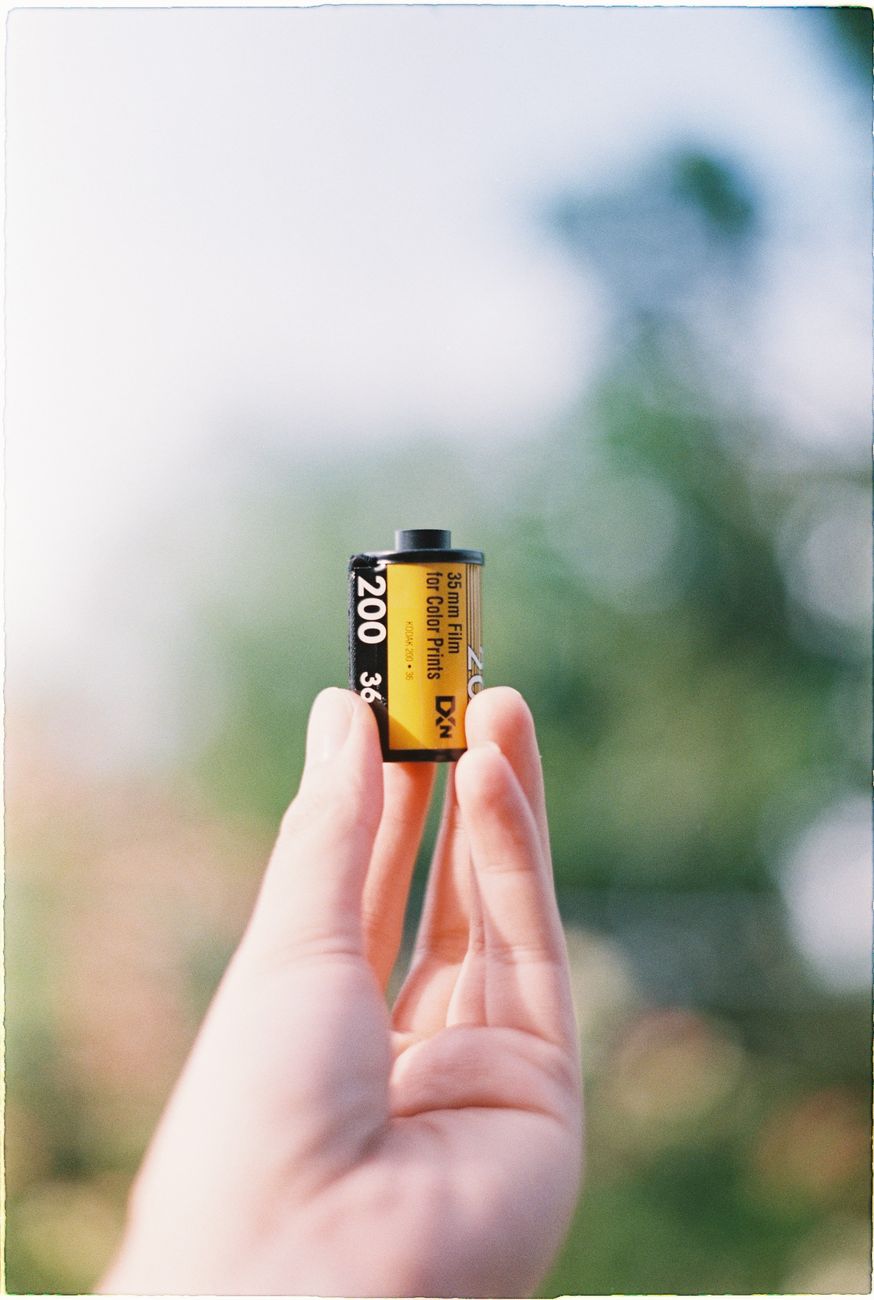
Embracing the Aesthetic of Memory
Film photography possesses a unique ability to translate the passage of time into a tangible visual format. Unlike digital sensors that prioritize clinical sharpness, film stocks often introduce grain, color shifts, and dynamic range limitations that the human brain associates with historical records and personal archives. Achieving a nostalgic look requires a deliberate approach to light, subject matter, and technical execution. The goal is to move beyond mere documentation and create images that feel as though they were retrieved from a different era.
Selecting the Right Film Stock for a Timeless Look
The foundation of a nostalgic photograph begins with the choice of film. Different emulsions react to light in ways that mimic historical photographic processes.
- Color Negative Film: Stocks with warmer color palettes, such as those that lean toward yellows and oranges, naturally evoke the aesthetic of 1970s and 1980s family photography.
- Black and White Film: High-grain black and white film stocks provide a classic, gritty texture that removes the distraction of color, forcing the viewer to focus on form and contrast.
- Expired Film: Using expired rolls can introduce unpredictable light leaks and color shifts, which frequently result in a dreamlike, hazy quality often associated with vintage memories.
Lighting Techniques to Enhance Atmosphere
Light is the most significant factor in establishing the mood of an image. To achieve a nostalgic tone, photographers often look for light that feels soft, diffused, or intentionally imperfect.
The Golden Hour Advantage
Shooting during the golden hour provides a warm, low-angled light that naturally enhances the colors of a scene. This light reduces harsh shadows and creates a glow that is frequently found in archival snapshots.
Embracing Natural Diffusion
Overcast days provide a flat, even light that prevents high-contrast shadows. This lighting style is reminiscent of early twentieth-century photography where equipment limitations necessitated soft, indirect light.
Utilizing Practical Light Sources
Capturing light from lamps, neon signs, or candles at night introduces color casts that feel grounded in a specific time and place. These practical light sources create a sense of intimacy and authenticity that artificial studio lighting often lacks.
Compositional Strategies for a Period-Correct Feel
Composition dictates how a viewer interacts with the frame. To create a nostalgic effect, the framing should prioritize the subject’s environment rather than just the subject itself.
- Environmental Portraits: Placing a subject within their natural surroundings provides context and suggests a narrative, much like traditional documentary photography.
- Candid Framing: Avoid perfectly centered, highly structured compositions. Nostalgia is often found in the “in-between” moments where the subject is unaware of the camera.
- Foreground Interest: Including objects in the foreground adds depth and can act as a frame within a frame, drawing the viewer into the scene.
Comparison of Film Photography Approaches
| Technique | Visual Impact | Best Used For |
|---|---|---|
| Expired Film | Color shifts, heavy grain | Abstract, moody, experimental |
| Golden Hour | Warm tones, soft shadows | Landscapes, portraits, lifestyle |
| Flash Photography | High contrast, sharp details | Nightlife, street, candid action |
| Black & White | Texture, focus on form | Architectural, candid, historical |
The Role of Subject Matter in Nostalgia
The subject of a photograph often triggers the feeling of nostalgia more effectively than the technical settings of the camera. Identifying subjects that possess inherent historical or emotional weight is essential.
Mundane Architecture and Urban Decay
Structures that show signs of wear, such as peeling paint, weathered brick, or outdated storefront signs, serve as anchors for a different era. Documenting these spaces before they disappear preserves a visual history of a location.
Everyday Objects
Items that are no longer in common use—such as rotary phones, classic automobiles, or analog kitchen tools—instantly ground a photograph in the past. These objects are recognizable symbols that bridge the gap between the present and the viewer’s memory.
Quiet Public Spaces
Empty parks, quiet diners, or vacant streets suggest a moment of stillness. These images allow the viewer to project their own experiences onto the scene, making the photograph feel deeply personal.
Technical Considerations for Film Consistency
Consistency in film photography is achieved through the disciplined use of equipment and processing. To ensure that images retain a cohesive, nostalgic look, photographers should consider the following:
- Consistent Metering: Using an external light meter ensures that exposures are accurate, even when dealing with difficult lighting conditions.
- Developing Practices: Choosing a specific chemical developer can influence the final grain structure and contrast of the film.
- Scanning Techniques: The transition from physical negative to digital file is a critical step. Adjusting the white balance and contrast during the scanning process allows for the refinement of the final aesthetic.
Common Questions Regarding Nostalgic Film Photography
How does film grain contribute to a nostalgic feel?
Film grain provides a textural quality that mimics the physical nature of printed photographs. This texture is perceived as more organic and less sterile than the pixel-perfect output of modern digital sensors.
Table of Contents
- Embracing the Aesthetic of Memory
- Selecting the Right Film Stock for a Timeless Look
- Lighting Techniques to Enhance Atmosphere
- Compositional Strategies for a Period-Correct Feel
- Comparison of Film Photography Approaches
- The Role of Subject Matter in Nostalgia
- Technical Considerations for Film Consistency
- Common Questions Regarding Nostalgic Film Photography
- Final Reflections on Visual Preservation
Is it necessary to use vintage cameras to achieve a nostalgic look?
While vintage cameras add to the experience, the nostalgic look is primarily determined by the film stock and the lighting conditions. Modern film cameras can produce the same results if paired with the correct film and lenses.
Why does flash photography often look nostalgic?
On-camera flash creates a distinct look characterized by harsh shadows and high contrast, which is synonymous with snapshots from the 1990s and early 2000s.
How can one avoid the “digital look” when editing scanned film?
The key is to avoid excessive sharpening and noise reduction. Embracing the natural grain and color profile of the film stock during the editing process maintains the authentic aesthetic of the medium.
Final Reflections on Visual Preservation
Creating nostalgic photographs is a process of curation and observation. By focusing on light, film choice, and subjects that carry a sense of history, one can produce images that transcend the limitations of the present moment. The practice of film photography encourages a slower pace, requiring the photographer to consider each frame with intention. As the medium continues to evolve, the core elements of composition and light remain the most reliable tools for capturing the essence of a memory. Whether documenting the quiet corners of an urban landscape or the subtle interactions within a room, the goal remains to translate the fleeting nature of time into a permanent visual record. Through careful practice and an understanding of the technical properties of film, these images serve as a bridge to the past, offering a meaningful way to archive the world as it exists today for the eyes of tomorrow.
Frequently Asked Questions (FAQ)
Q: What is film grain and why is it valued?
A: Film grain is the texture created by light-sensitive silver halide crystals on photographic film. Many photographers value it for its organic, tactile aesthetic that adds depth and nostalgia to images.
Q: Can I replicate a vintage film look with a modern digital camera?
A: Yes, you can replicate the film look by shooting in RAW, adding digital grain, adjusting color channels to match vintage emulsions (like warm yellows or faded blues), and using vintage lenses with adapters.
Q: What are the best film cameras for beginners?
A: Fully manual SLR cameras like the Canon AE-1, Pentax K1000, or Nikon FM10 are highly recommended for beginners because they teach the fundamentals of aperture, shutter speed, and manual focus.


1 Comment
Pingback: The Complete Guide to Film Grain: Recreating Retro Textures on Modern Digital Sensors – Anemoia